...
...
Next Story

1 in 5 deaths globally linked to unhealthy diets: Study

Consumption of healthier foods such as nuts and seeds, milk and whole grains was on average too low, and people consumed too many sugary drinks and too much processed meat and salt. This led to one in five deaths in 2017 being linked to bad diets.

Published on: Apr 4, 2019, 22:47:20 IST
Advertisement

Eleven million deaths worldwide in 2017 were linked to people eating poor diets high in sugar, salt and processed meat that contributed to heart disease, cancer and diabetes, a global study found.
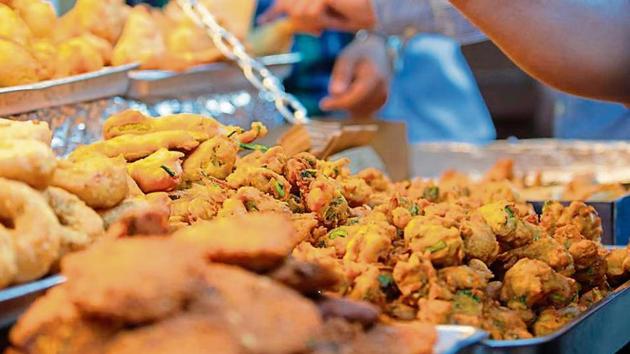
Consumption of healthier foods such as nuts and seeds, milk and whole grains was on average too low, and people consumed too many sugary drinks and too much processed meat and salt. (iStock/Representative Image)

The research, published on Wednesday online in The Lancet, found that among 195 countries studied, the proportion of diet-related deaths was highest in Uzbekistan and lowest in Israel.

The United States ranked 43rd, while Britain was 23rd, China 140th and India 118th.

Consumption of healthier foods such as nuts and seeds, milk and whole grains was on average too low, and people consumed too many sugary drinks and too much processed meat and salt. This led to one in five deaths in 2017 being linked to bad diets.

The Global Burden of Disease study tracked trends from 1990 to 2017 of consumption of 15 dietary factors. Chris Murray, director of the Institute for Health Metrics and Evaluation at the University of Washington which led the work, said it “affirms what many have thought for several years.”

“Our assessment suggests the leading dietary risk factors are high intake of sodium, or low intake of healthy foods, such as whole grains, fruit, nuts and seeds and vegetables.”

The study found people ate only 12 percent of the recommended amount of nuts and seeds — an average intake of 3 grams a day, compared with the recommended 21 grams — and drank more than 10 times the recommended amount of sugary drinks. Diets high in sugar, salt and bad fats are known risk factors for heart disease, stroke, diabetes and many types of cancer.The global diet also included less than a quarter of the recommended amount of whole grains - at 29 grams average intake a day compared with the recommended 125 grams - and almost double the recommended amount of processed meat - at around 4 grams average intake per day compared with the 2 grams recommended.

A study published in January suggested an “ideal diet” for the health of people and the planet would include a doubling of consumption of nuts, fruits, vegetables and legumes, and a halving of meat and sugar intake.

In a breakdown of diet-related deaths, the study found that of the 11 million in 2017, almost 10 million were from cardiovascular diseases, around 913,000 from cancer, and almost 339,000 from type 2 diabetes.

Annual deaths related to diet have increased from 8 million in 1990, but the researchers said this was largely due to increases in populations and populations aging.

 
ABOUT THE AUTHOR
HT News Desk

Follow the latest breaking news, major developments and agenda-setting stories from India and around the world with the newsdesk at Hindustan Times. Operating round the clock, the desk brings together experienced editors, reporters and correspondents to deliver fast, accurate and contextual reporting across subjects that influence public policy, governance, business, society and international affairs. The HT News Desk covers politics, elections, government policies, the economy, business and markets, science and technology, the environment, law and order, infrastructure, education, climate issues and geopolitics, while closely tracking developments across states, institutions and global capitals. The team also leads coverage of major breaking news events, policy announcements, court proceedings, natural disasters, public emergencies and significant international developments. Reports published by the newsdesk are based on information gathered from reporters on the ground, official statements, government agencies, court records, regulatory filings, recognised institutions and other authoritative sources. Stories undergo editorial scrutiny and verification processes to ensure accuracy, fairness and relevance, and are updated as events evolve and additional information becomes available. Whether covering a key political decision in New Delhi, an economic policy shift affecting millions, a landmark court ruling or a major global event, the HT News Desk aims to provide readers with reliable, fact-based journalism that delivers not only the latest developments but also the context and analysis needed to understand their wider implications.

Get the latest World News, breaking headlines and global updates from the US, UK, Pakistan, Bangladesh, Russia and other countries. Follow major international events on Hindustan Times.
SHARE THIS ARTICLE ON
Notifications

Get breaking alerts directly from the newsroom

Notifications are on!You'll be notified when news breaks