The Afghanistan government said on Thursday that the Afghan people alone can decide on removing Taliban leaders from UN sanctions lists, rejecting a call by China, Russia and Pakistan to delist some militants to foster a peace dialogue.
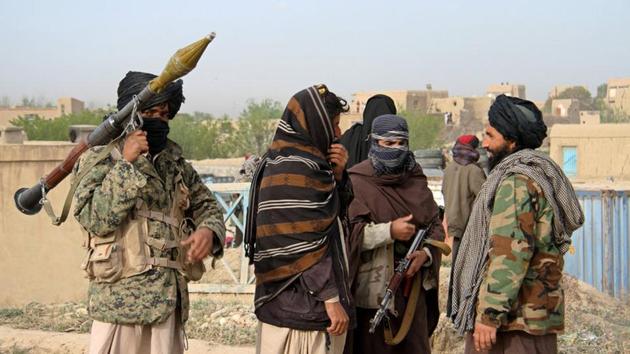
Afghanistan has been angered by efforts by the three countries to work towards some sort of accommodation with the Taliban. Following a meeting in Moscow on Tuesday, the three countries called for “flexible approaches” on sanctioned persons to promote a “dialogue between Kabul and the Taliban”.
“The delisting of Taliban leaders is the right of only the Afghan people. The Afghan people can and will decide on this when we have security,” Afghan interior ministry spokesman Sediq Sediqqi told Hindustan Times.
“If the Taliban accept the peace offer and stop killing innocent people, then the Afghan people will decide.”
Afghanistan was especially angered as it was excluded from the third round of consultations between Russia, China and Pakistan, and reports the troika would be expanded to include Iran.
Despite a concession by the three countries to include Afghan representatives in the next consultations, Sediqqi said it remained to be seen how effective the process could be in the absence of Afghanistan.
{{/usCountry}}Despite a concession by the three countries to include Afghan representatives in the next consultations, Sediqqi said it remained to be seen how effective the process could be in the absence of Afghanistan.
{{/usCountry}}Lingering suspicions also remained about Pakistan’s role in the process after the collapse of Islamabad-brokered talks between Kabul and the Taliban.
“Taliban leaders are still in Pakistan and they still have training bases there. If they are not fighting the Taliban in Pakistan, how can they express concern about security in our country?” Sediqqi asked.
“We need to see what Pakistan can do in action to show that it is worried about (the security situation), they should fight like we fight.”
Read | Russia, Iran ties with Taliban stoke Afghan anxiety
Afghanistan has also not taken kindly to the suggestion from China, Russia and Pakistan that the Taliban should be accommodated to bolster the fight against the Islamic State, which has established a presence in eastern Nangarhar province and carried out several attacks. A statement issued by the three countries had spoken about “intensifying activities” of the Afghan branch of IS.
“We have been fighting Daesh, who are all ex-members of the Pakistani Taliban, they have just changed names. We have a specific strategy that has contained Daesh to Nangarhar and limited their activities. They are under pressure,” Sediqqi said.
“The biggest threat are the Taliban, Haqqani Network and al-Qaeda – that’s the core of the issue. And we can’t differentiate and say some Taliban are better.”
Kabul’s stance could provide some comfort to New Delhi, which has been loath to engage the Taliban and perceives the group with ties to the Pakistani security establishment as the biggest threat in Afghanistan. India is also wary of any peace process driven by Pakistan.
The Afghan National Unity Government, weakened by the rift between President Ashraf Ghani and CEO Abdullah Abdullah, has struggled to cope with the resurgent Taliban following the drawdown of foreign forces. The stand likely to be adopted by president-elect Donald Trump towards Afghanistan has added to the uncertainty.
Sediqqi said regional countries and key powers such as China and Russia should stand by the Afghan government in its fight against all terrorists. “We can’t expect Pakistan to do this, there is no evidence Pakistan can. But the least we expect from China, Russia and Iran is that they will stand by Afghanistan to fight,” he said.
“And we expect them to make no contact with these terrorist groups,” he added.
Read | Russia, Pakistan, China warn of increased Islamic State threat in Afghanistan