After nearly three years of the Canadian Government restricting immigration into the country, it may be considering a change of direction by increasing intake when the official policy is announced next month.
That was indicated by Canada’s minister of immigration, refugees and citizenship, Lena Metlege Diab, during a media interaction in the town of Kitchener in Ontario on Friday. She
“We also recognise that we need people from outside the country to come fill gaps that we cannot fill for the next decade or so. So stay tuned to our next immigration level plan,” Diab said.
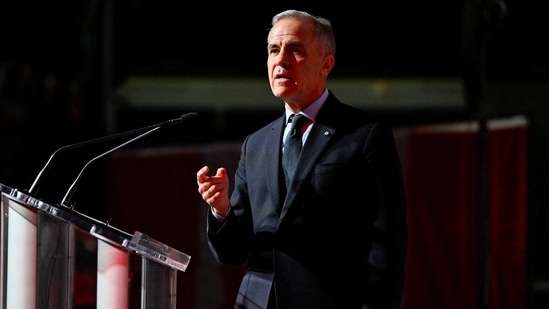
She referred to Prime Minister Mark Carney’s growth agenda for Canada in this context.
“As the Prime Minister said, we want to have our economy be the best in the G7, and in order to do that, I need to use the levers that I have in my role as Immigration Minister,” she added, in a video of the interaction from the outlet CTV News.
“We’ve taken a step backwards on immigration,” she said, pointing out that the country’s population increase had been the slowest since World War II. “We have an ambitious agenda. We are going to want to drive growth. We do need people,” she said in that context.
{{/usCountry}}“We’ve taken a step backwards on immigration,” she said, pointing out that the country’s population increase had been the slowest since World War II. “We have an ambitious agenda. We are going to want to drive growth. We do need people,” she said in that context.
{{/usCountry}}Diab’s remarks came as she announced changes to an immigration programme for skilled workers, a month after Carney, in an interview to the New York Times, signalled a “controlled increase” in immigration numbers.
From November 3, additional points will be given for permanent residency applications under the Express Entry programme for candidates with eligible Canadian work experience or a qualifying job offer in a high-wage occupation, which means an income at least 1.3 times the median wage in Canada, and includes engineers, medical professionals, tradespersons like electricians, information technology professionals, among others.
“So that will happen, and we just want to make sure that we’ve got it under control,” Carney had said in September.