
 E-Paper



Drones hidden in trucks: How Ukraine carried out Operation Spider’s Web in Russia
In a late night address after Ukraine's attack on Russia, Zelensky hailed the operation 'Spider's web' and called it “brilliant”.

 Prefer HTon Google


In a big blow to Russia, Ukraine launched a large-scale drone strike codenamed “Spider’s Web” targeting Russian military airbases deep within Russia’s territory.
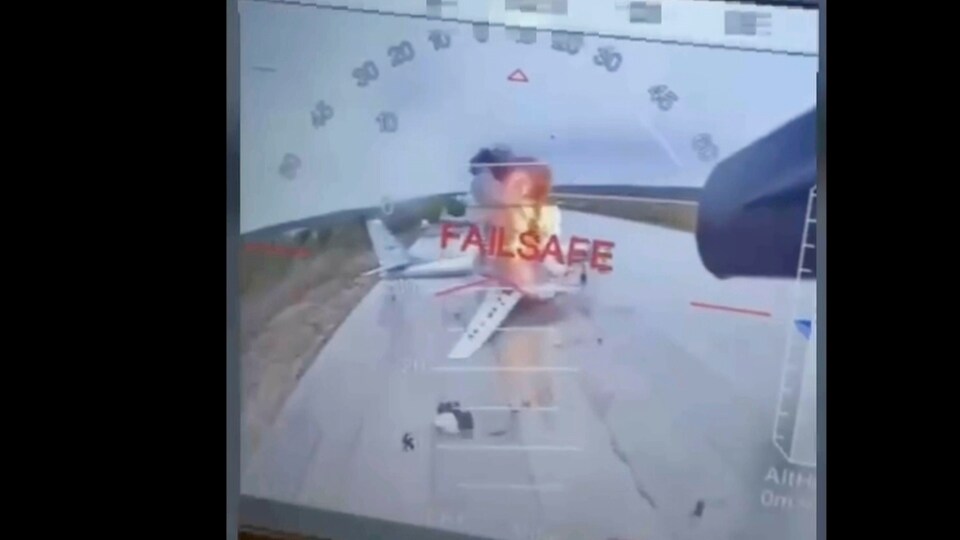
According to President Volodymyr Zelensky, the operation marked Ukraine’s longest-range strike to date.
The mission, which Zelensky said took a year and a half to plan, was described as a major strategic achievement. “One year, six months, and nine days from the start of planning to effective execution. Our most long-range operation. Our people involved in preparing the operation were withdrawn from Russian territory in time,” he posted on X, calling it an “absolutely brilliant result.”
Also read: What are FPV drones Ukraine used to strike deep inside Russia under Operation Spider's Web?
He said that the strike was an act of self-defence, aimed at compelling Russia to end the war. “Ukraine is defending itself, and rightly so – we are doing everything to make Russia feel the need to end this war. Russia started this war, Russia must end it. Glory to Ukraine!” said Zelensky.
Here’s all you need to know about the attack:
Damage caused to Russia
While Ukraine has claimed significant damage, the actual picture is not certain yet. The coordinated attacks by Ukraine reportedly hit 41 aircraft in Russia, including nuclear-capable Tu-95 and Tu-22 strategic bombers and A-50 aircraft, which were apparently used to “bomb Ukrainian cities”, reported AFP citing a source in Ukraine's SBU security service.
Also read: Watch | Moment when Ukrainian drones hit Russian military jets in massive attack
According to SBU, Russia suffered a loss of as much as around $7 billion in “strategic aviation” during the attacks. “34% of the strategic carriers of cruise missiles at Russia's main airbases were hit,” the agency claimed, which was later reiterated by Zelensky too.
The Russian defence ministry on Sunday confirmed that five air bases across regions, including Murmansk, Irkutsk, Ivanovo, Ryazan, and Amur, were targeted in Ukraine’s drone attacks, which resulted in damage to an unspecified number of aircraft.
How the attack was conducted
As many as 117 drones were used in Ukraine’s operation, with a corresponding number of drone operators involved, according to Zelensky. Unlike launching drones to strike targets in Russia like before, Ukraine went for a more tricky modus operandi.
The Ukrainian drones, which carried explosives, were sneakily smuggled into Russia by hiding them inside wooden structures, which were loaded onto trucks, reported AFP, citing a Ukrainian security source.
Also read: Russia confirms Ukraine targeted 5 airbases with FPV drones; most attacks repelled
These trucks made their way to the perimeter of the targeted air bases and when they reached their destination, the roofs of the wooden structures were opened remotely, following which, the drones took off and initiated the attack, said a Reuters report also citing a Ukrainian security official.
What Zelensky said
In a late-night address after the attack, which was just a day ahead of talks scheduled between Russia and Ukraine in Istanbul, Zelensky hailed the operation, calling it “brilliant”.
Sharing the most interesting part of the operation, Zelensky said that the “office” of Ukraine’s operation on Russian territory was located directly next to the headquarters of the latter’s intelligence and security agency, FSB in one of Russia's regions.
“Even before this Operation was carried out, we had intelligence indicating that Russia was preparing another massive strike,” Zelensky said in a video she shared on X.
About the upcoming talks between Ukraine and Russia in Istanbul, Zelensky said that his country will push for a full and unconditional ceasefire.


