
 E-Paper



How US-Iran ceasefire deal was reached: Inside details of the high-stakes diplomacy
A tense two-week ceasefire between the US and Iran was brokered through complex negotiations and public posturing.

 Prefer HTon Google


A two-week ceasefire between the United States and Iran has emerged from a tense mix of public threats and behind-the-scenes negotiations, with multiple countries quietly stepping in to prevent a full-scale war.
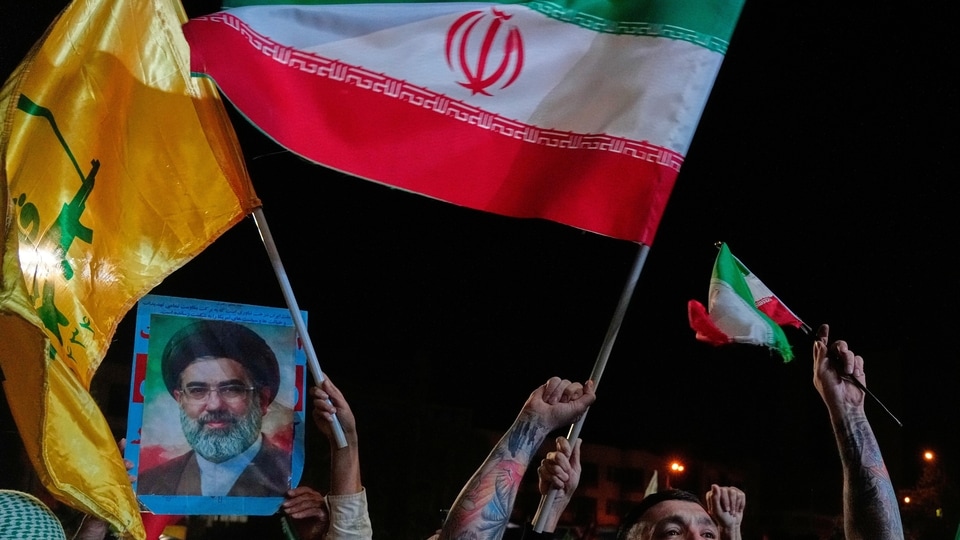
The breakthrough came when Iran’s Supreme Leader Mojtaba Khamenei signalled, for the first time during the conflict, that negotiators should move towards a deal. This “green light” was crucial, stated an Axios report, with one regional official saying, “Without his green light, there wouldn’t have been a deal.” Khamenei remained deeply involved in decision-making, even as he communicated through indirect and secretive channels due to security threats.
The deal took shape during a “chaotic” day of diplomacy. US envoy Steve Witkoff initially rejected Iran’s proposal as “a disaster,” but mediators, including Pakistan, Turkey and Egypt, worked through multiple drafts to bridge gaps, the Axios report stated. By Monday night, a revised proposal for a two-week ceasefire had US approval, awaiting Iran’s final nod.
Even as talks progressed, US President Donald Trump publicly escalated rhetoric, warning that “a whole civilization will die tonight.” Behind the scenes, US forces were preparing for possible large-scale strikes, and even senior officials were unsure whether diplomacy would succeed. “We had no idea what was going to happen. It was wild,” a defence official said, as quoted in the report.
China’s quiet but key role
China played a critical behind-the-scenes role in persuading Iran to accept a ceasefire, reported news agency AP. Chinese officials also warned about the global economic and energy risks of a prolonged war.
By Tuesday, both sides were converging on a ceasefire framework. Pakistan’s Prime Minister Shehbaz Sharif publicly shared the terms, while Trump faced pressure from allies to reject the deal. He ultimately accepted it after speaking with Israeli Prime Minister Benjamin Netanyahu and Pakistan’s army chief, sealing the agreement.
Within minutes, US forces were ordered to stand down, and Iran confirmed it would adhere to the ceasefire and reopen the Strait of Hormuz in coordination with its armed forces.
What could happen next
While the ceasefire has paused immediate hostilities, both sides remain cautious. Iran has warned the “war is not over,” and major differences, especially over nuclear issues, remain unresolved. Talks are expected to continue, with further negotiations likely to determine whether the truce holds or conflict resumes.


