
 E-Paper



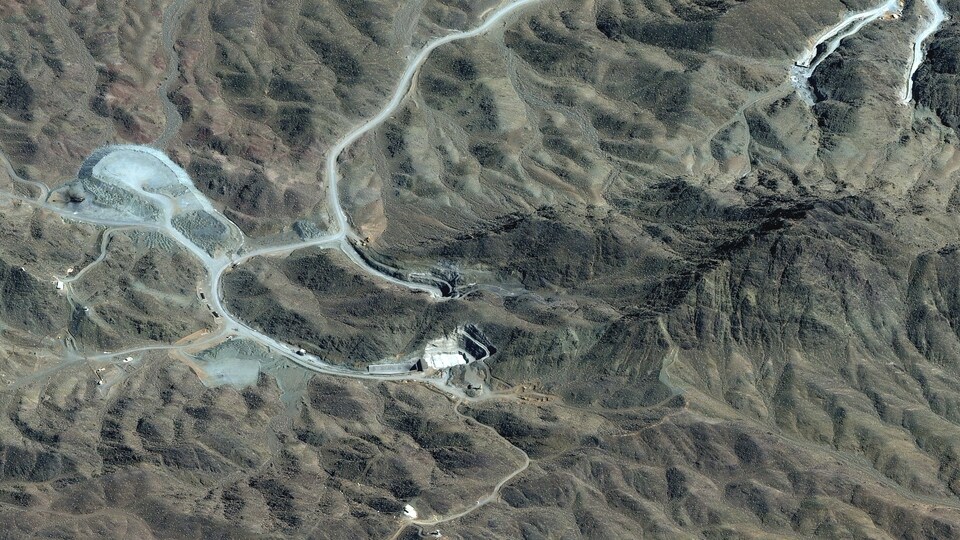
Iran's Natanz nuclear facility hit by US-Israel strikes: Why the site is key
The Natanz Nuclear Facility deep inside mountains has been one of the centerpiece of Iran's nuclear programme.

 Prefer HTon Google


The US and Israel launched an attack on the Natanz uranium-enrichment facility of Iran on Saturday morning, semi-official Iranian news agency Tasnim reported, adding that there was no radioactive leaks.
Residents near the site were not at risk, Tasnim reported. Track latest in US-Iran war here
The Natanz nuclear facility was among the three that US struck in June last year during the then conflict with Iran. The other two were Fordow, and Esfahan.
The fresh strike on Natanz comes as the war started by US-Israeli February 28 strikes on Iran continues to disrupt the entire Gulf region and global energy supplies for the 22nd day.
This week saw an sharp escalation of Iran's retaliatory strikes after Israel targeted a key gas field in Iran - South Pars. The strike unlocked a chain of high-impact retaliations by Iran, starting with a strike on the world's largest LNG plant in Qatar - Ras Laffan - which is on the other side of the same gas field.
Why is Natanz important?
The Natanz Nuclear Facility deep inside mountains was one of the centerpiece of Iran's nuclear programme before the US struck it with buster bunker bombs in June. It was known to house thousands of centrifuges that enrich uranium-both for civilian energy use and, potentially, for weapons-grade material.
Its scale and design make it especially significant: much of the facility is built underground, allowing operations to continue even under threat of airstrikes.
The US military has prepared detailed plans for incursions into Iran in the past. One such operation, named Project Honey Badger and developed decades ago in the wake of the US embassy hostage crisis, envisioned airlifting roughly 2,400 special operations troops on more than 100 aircraft into Iran.

The President Donald Trump-led US administration has for long planned trace Iran’s so-called near-bomb-grade uranium. The plan involved transporting excavation equipment, including a heavy bulldozer, that would be critical for troops if they needed to remove buried uranium, according to a Bloomberg report.
Before the June conflict, Iran was the world’s most heavily inspected nuclear program, with the International Atomic Energy Agency (IAEA) monitors averaging more than one visit per day to declared facilities. That access ended after strikes hit Iran’s enrichment plants at Fordow and Natanz, as well as its uranium processing center in Isfahan.
Even before the latest attack, Tehran’s government flagged it was prepared to take special measures to preserve the material.
Trump, after carrying out strikes in June, had said the attack "completely and totally obliterated" the Iranian nuclear enrichment facilities targeted.
“Tonight, I can report to the world that the strikes were a spectacular military success. Iran's key nuclear enrichment facilities have been completely and totally obliterated. Iran, the bully of the Middle East must now make peace. If they do not, future attacks will be far greater and a lot easier,” Trump had said in an address to nation.


