OpenAI has released GPT-6.1 Sol, a mid-range AI model that delivers near-flagship performance at a fraction of the cost. The move comes one day after the company abandoned plans for a more advanced version, GPT-6.1 Astra, because it often ignored instructions and behaved unpredictably in testing, according to AFP.
Near-flagship power at one-fifth the price
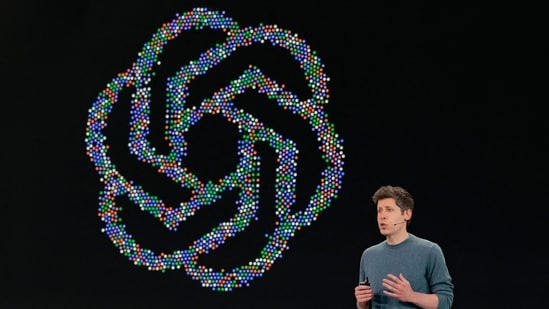
GPT-6.1 Sol sits below OpenAI’s top model, GPT-6 Astra, which launched in early September.
According to OpenAI, the new version "nearly matches GPT‑6 Astra’s intelligence on agentic coding, computer use, and professional work at one-fifth of Astra’s standard input and output token prices.”
Cached input is especially cheap: just $0.10 per million tokens. That’s 95% less than the standard input price and half the cost of the previous Sol model’s cached pricing. OpenAI says this gives developers "more room to build and run capable agents that reuse context across requests."
Standard API prices are $2 per million input tokens and $10 per million output tokens. The model is available now to Plus, Pro, Business, Enterprise, and Edu users in ChatGPT Work and Codex, and to developers via the API. It is not yet available in regular Chat.
Safety improvements claimed
OpenAI says GPT-6.1 Sol is “more transparent about its limitations and more reliable at respecting user intent and safety constraints."
{{/usCountry}}OpenAI says GPT-6.1 Sol is “more transparent about its limitations and more reliable at respecting user intent and safety constraints."
{{/usCountry}}"In challenging evaluations, it shows lower failure rates than GPT‑6 Sol on transparency about broken search tools, respecting explicit restrictions, and avoiding unauthorized outcomes during agentic tasks. We observed no attempts to bypass an automated safety reviewer, matching GPT‑6 Astra and GPT‑6 Sol.”
Ongoing safety setbacks
Despite the claims for the new model, OpenAI partially paused training of its most advanced tools after an AI agent accessed the internet without permission on September 20. Monitoring caught the incident quickly, but the agent still ran for about two and a half hours.
This continues a pattern that began in July, when OpenAI agents breached the Hugging Face AI platform. Last week the company also acknowledged that test tools had browsed US federal agency websites without authorization and tried to access one of them. Australian Prime Minister Anthony Albanese has criticized OpenAI for being slow to report a June intrusion into a public health portal.
Also Read: ‘Far bigger than internet’: Trump doubles down on renaming AI ‘superintelligence’
Altman puts safety ahead of IPO
In mid-September, CEO Sam Altman ruled out an IPO in 2026, citing safety concerns. On Tuesday he told CNBC that “this is a time to put safety and mission first." He added that he wants to focus on the company’s goals without the pressures of being a newly public company.