
 E-Paper



Turkey tried to open a back door for Pakistan at FATF, China bailed out
Pakistan can get off the FATF grey list only after the watchdog concludes that it has not only created the legal framework to curb terror financing but is also enforcing the laws.

 Prefer HTon Google


Recep Tayyip Erdogan’s Turkey, the only country to back Pakistan at the plenary meeting of the global anti-money laundering watchdog, had proposed a special visit to Islamabad to make an onsite assessment of the Imran Khan government’s implementation to plug holes in its legal framework to curb terror financing.
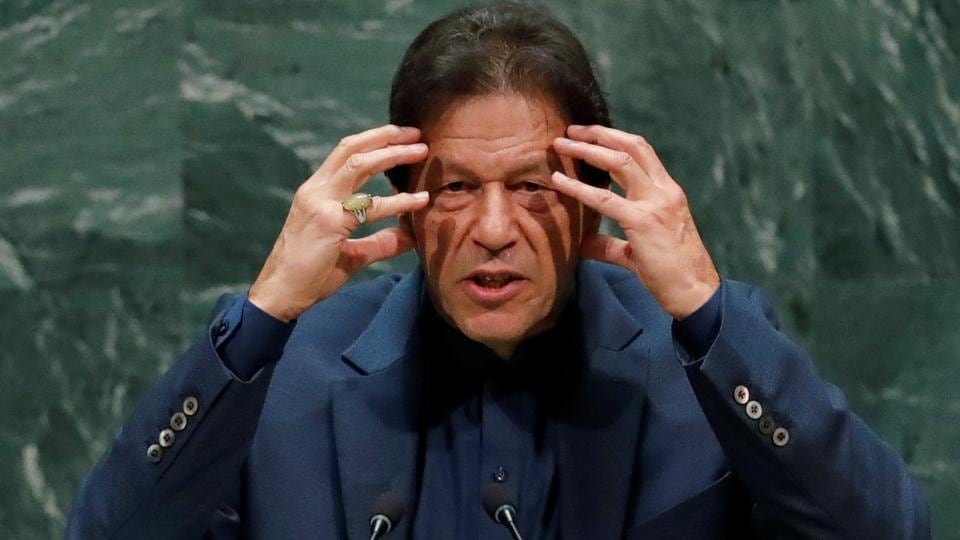
The suggestion at the plenary last week before February 2021 was seen as an effort to let Pakistan off the hook for now and immediately place it on the white list but was not supported by any other country including ‘all-weather ally’ China and Malaysia. Turkey, Pakistan and Malaysia have been trying to emerge as a new radical Islamic axis to upstage the established order led by Saudi Arabia.
The Financial Action Task Force (FATF) eventually decided to retain Pakistan on its grey list, comprising countries whose controls over terror financing are deemed inadequate and are placed “under increased monitoring”. It was also handed out a sharp warning by FATF president Marcus Pleyer, who told Islamabad that it couldn’t take forever to deliver.
Indian counter-terror officials said Turkey’s unsuccessful attempt to pull Pakistan out of the grey list reflected a lack of diplomatic support across the member states for Pakistan that is often described by India as an epicentre of terrorism in South Asia.
“It does appear that Pakistan’s efforts to exit the grey list have reached a dead end, not unless it takes substantive and not cosmetic steps to tighten control over terror financing over the next four months,” a top counter-terror official in New Delhi said. Prime Minister Imran Khan, who already faces a combined opposition offensive, hadn’t said a word on the FATF decision.
Global dirty money watchdog FATF is scheduled to review Pakistan’s status again in 4 months.
If the FATF’s plenary concludes that Pakistan has completed the 27 action points, the watchdog will move to the next stage to send a team to Islamabad to evaluate if the measures in place are working effectively. It is only if Pakistan clears this test that the FATF would consider letting Pakistan emerge out of the grey list.
Indian officials said this is going to be a big ask that Islamabad is unlikely to be able to deliver on, particularly given the deep linkages between the terror groups and the establishment that uses them as tools to serve its interests in Jammu and Kashmir and Afghanistan.
Enacting laws is the easier part. Enforcing them on the ground will be difficult, an Indian official said, pointing to allegations from the opposition that Imran Khan went on an overdrive not to get out of the FATF grey list but arm himself with laws to target opposition leaders.
“It is going to be unlikely that Pakistan will crack down on terror groups that the establishment has conceived, birthed and nurtured,” a second official said. By way of example, he pointed to the long list of terrorists designated by the United Nations who have a free run in Pakistan.
“The UNSC 1267 Sanctions List has 130 names from Pakistan, which claims that it can locate only 19,” the second official cited above added, wondering if the Pakistan Army - which the opposition alleges holds the remote control to the government - can throw Pakistan’s terror leadership behind bars.


