Sri Lankan prime minister Mahinda Rajapaksa on Tuesday announced that the constitution will be changed to clip presidential powers as parliament reconvened on Tuesday while demonstrators continue to hit streets over the country’s financial crisis.
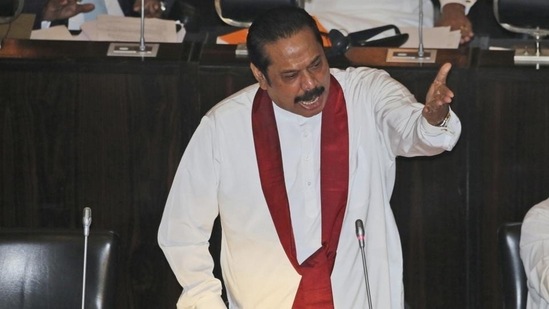
Speaking during the parliament session, the prime minister - president Gotabaya Rajapaksa’s brother - said the power transfer will be “one of the quickest steps” to politically stabilise the country.
According to him, this will also help with International Monetary Fund (IMF) talks for an economic recovery plan. “While looking for solutions to the economic problems, it is important that we have political and social stability in the country. Reverting to a constitutional status with more powers to Parliament will be a start to the reforms," he told the parliament.
Sri Lanka's president Gotabaya Rajapaksa had concentrated presidential powers after he was elected in 2019.
{{/usCountry}}Sri Lanka's president Gotabaya Rajapaksa had concentrated presidential powers after he was elected in 2019.
{{/usCountry}}Also read: Sri Lanka asks IMF for rapid financial assistance
The Sri Lankan Parliament reconvened on Tuesday amid speculations over a no-trust vote. Earlier on Monday, the country's president had admitted that patience among the citizens was wearing thin. However, he said that it was justified.
Sri Lanka has been battling one its worst crises in decades with thousands of protesters holding the government responsible.
The country, which is on the brink of bankruptcy, is struggling to get essential supplies including food, cooking gas, fuel, and medicine. While the government is holding talks with the IMF, it has also approached India and China for emergency loans to buy fuel and food. A delegation headed by Sri Lanka's finance minister Ali Sabry kicked off formal talks with the IMF in Washington on Monday.
Also read: Burning tyres, blocked roads as Sri Lankans protest fuel price hikes
Demonstrators have been raising slogans outside the president's office, demanding his resignation, ever since the country plunged deep into the crisis. While the president admitted making mistakes by delaying going to the IMF for aid, he and the prime minister have refused to step down.
Meanwhile, the entire Rajapaksa cabinet was reshuffled after the ministers quit amid the on-going crisis.
(With inputs from AP)