As fireworks light up the night sky to celebrate Independence Day, nature has its own dazzling display in store. The first full supermoon of the year, known as the Buck Moon, is set to grace the heavens on Sunday, July 2, and Monday, July 3. This radiant lunar spectacle is sure to provide a brilliant backdrop to the holiday festivities.
Why the Buck Moon?
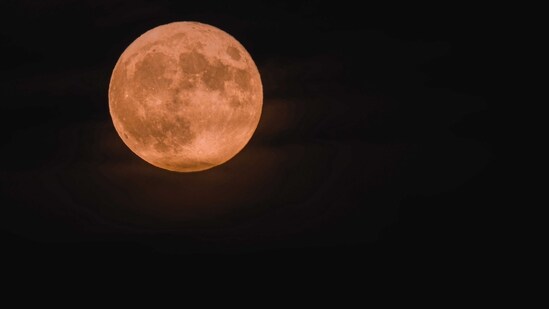
According to the Farmer's Almanac, the July full moon is called the Buck Moon due to the fact that bucks, or male deer, have their antlers in full growth mode during this time of the year. It is also referred to as the Thunder Moon, as thunderstorms are often frequent during the month of July.
When and Where to See It
In New York City, the Buck Moon will appear 99% full as it begins to rise at 8:21 p.m. on Sunday, as per TimeAndDate.com. The full supermoon will reach its peak illumination at 7:39 a.m. Eastern Time on Monday, and will rise at 9:22 p.m. on Monday evening. It will set at 6:21 a.m. on Tuesday. To catch a glimpse of this celestial marvel, look towards the southeast after sunset as the supermoon ascends into the night sky.
Weather Conditions
While the Buck Moon promises an enchanting sight, weather conditions may affect visibility. Fox Forecast Center meteorologist Brian Mastro warns of the possibility of rain and thunderstorms, including pop-up summertime thunderstorms on Monday in New York City. Be prepared for some changes in the weather, but remain hopeful for breaks in the clouds to witness the lunar spectacle.
A Series of Supermoons
{{/usCountry}}While the Buck Moon promises an enchanting sight, weather conditions may affect visibility. Fox Forecast Center meteorologist Brian Mastro warns of the possibility of rain and thunderstorms, including pop-up summertime thunderstorms on Monday in New York City. Be prepared for some changes in the weather, but remain hopeful for breaks in the clouds to witness the lunar spectacle.
A Series of Supermoons
{{/usCountry}}This year's Buck Moon is just the first of four consecutive full supermoons. Mark your calendars for the upcoming supermoons on August 1, August 30-31, and September 28-29. These full moons occur when the moon reaches its closest point to Earth in its orbit, known as perigee.
Also read | NASA’s Juno Spacecraft Captures Mysterious Lightning Glow On Jupiter
The term "supermoon" was coined by astrologer Richard Nolle in 1979. Supermoons appear slightly brighter and larger than regular full moons. In fact, Space.com reports that a supermoon can shine with about 30% more brightness and appear approximately 14% larger. While these differences may not be easily discernible to the naked eye, avid moon gazers may notice the subtle increase in luminosity and size.