
 E-Paper



Taliban set hard conditions for peace talks with Afghan govt
The Sunni Islamist group wants all Taliban prisoners to be set freed, wants to be delisted as terrorist group by UN and wants all the power positions in so called reconciliation government.

 Prefer HTon Google


With global pressure mounting on Islamabad to push the marauding Taliban to the peace table, Rawalpindi has suggested a meeting between Afghan government leadership apart from President Ashraf Ghani and the Quetta Shura leaders in Pakistan to negotiate a power sharing settlement largely in favour of Sunni Pashtun Islamists.
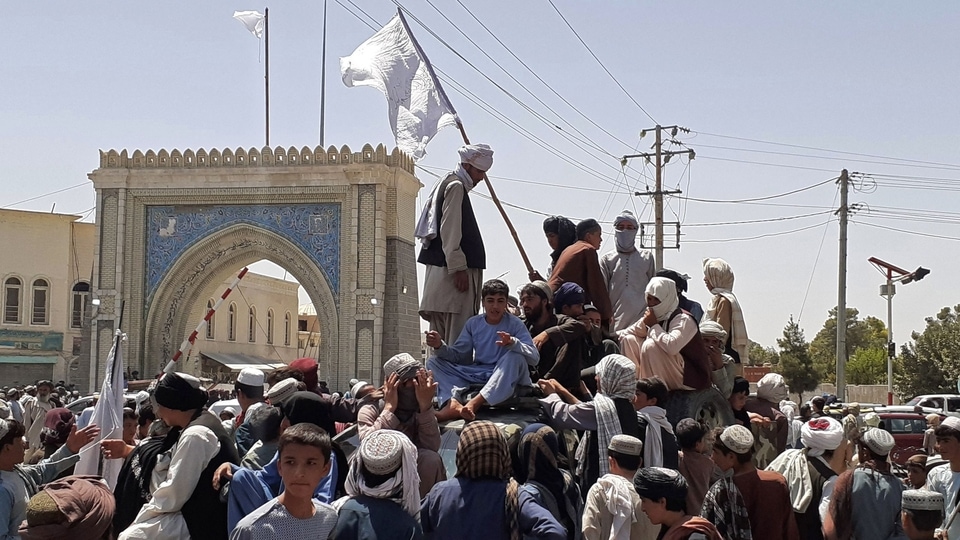
The earlier attempt brokered by Pakistani deep state to hold a meeting between President Ashraf Ghani and Taliban leaders, Mullah Yaqoob and Sirajuddin Haqqani, between July 17-19 failed as the Islamist leaders have no desire to talk to the current head of Afghan government. The July initiative was the brainchild of US Special Representative Zalmay Khalilzad and UK Army Chief Nick Carter and the meetings with Taliban leadership were to take under the garb of a state visit of Ashraf Ghani to Pakistan. While Taliban’s ideological leader Haibatullah Akhunzada is based in Karachi, both Yaqoob and Haqqani are handling military operations of the Sunni group from Quetta and Helmand.
With Taliban not willing to negotiate with President Ashraf Ghani, name of Prince Mirwais Khan, son of former King Zahir and Chairman of National Committee for Preservation of Afghan Cultural Heritage, is being floated around as a possible interlocutor for the Afghan government. Prince Mirwais is a scholar with western education and lives in Afghanistan. As of now no dates or names of interlocuter on behalf of the Afghan government have been decided.
Although Taliban under pressure from ISI are willing to negotiate with Afghan government interlocutor in Pakistan, the conditions for peace forwarded by the Sunni group to Kabul are very steep. According to diplomats based in Kabul, Taliban this week has put forward three conditions to Afghanistan government for peace negotiations. They are:
· All Taliban prisoners in Afghan jails should be unconditionally freed.
· The Afghan government should use its good offices to get Taliban delisted as a terrorist group by the UN. Incidentally, the 1267 sanctions committee that designates individuals and entities as supporters of terrorism is headed by India.
· The Taliban has proposed that President, Defence Minister, Interior Minister, Army Chief and NDS (spy agency) Chief should be from the insurgent group leaving the lame duck position of Prime Minister to the present regime in Kabul.
While it is for the US and the Afghan government to decide the leader to replace Ashraf Ghani if it wants a peace settlement, the Taliban conditions appear to be humiliating to the present government as all the power will be in the hands of the Sunni Islamist force. But the present regime in Kabul has binary options left with the Taliban knocking on its door. Either it fights the Taliban and pushes it back or succumb to the peace demands of the Pak backed Islamist group.


