
 E-Paper



UN seeks to raise $600 million for Afghanistan amid growing humanitarian crisis
Even before the Taliban's seizure of Kabul last month, half the population of Afghanistan—or 18 million people—was dependent on aid.

 Prefer HTon Google


The UN chief Antonio Guterres will convene a high-level humanitarian conference on Monday in an attempt to raise more than $600 million for Afghanistan amid the growing crisis in the war-torn nation. The country was thrown into turmoil after the Taliban seized power in a military takeover following the US drawdown in August.
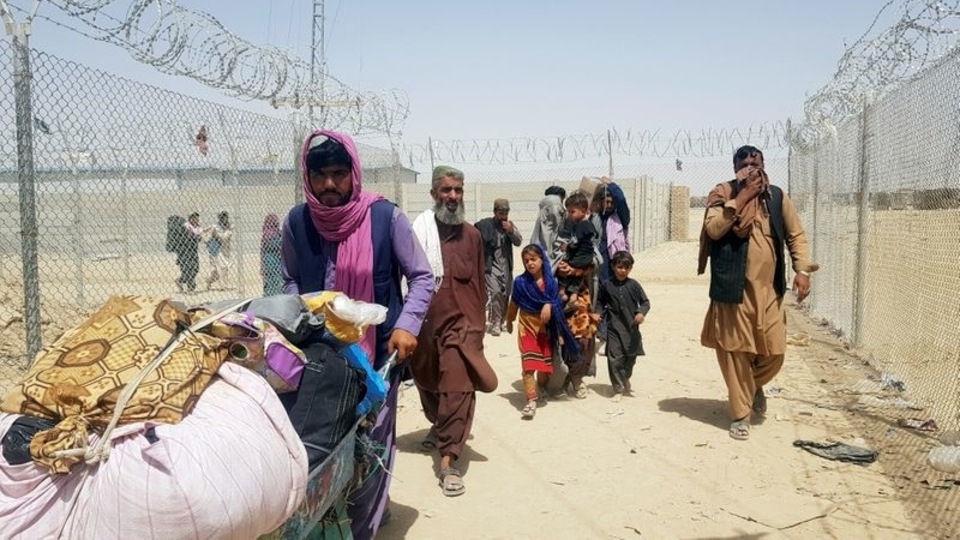
Even before the Taliban's seizure of Kabul last month, half the population of Afghanistan—or 18 million people—was dependent on aid. The figure looks set to increase due to drought, shortages of cash and food, with the United Nations officials warning about an impending crisis since the US withdrew its troops from the country.
The US pullout also led to an abrupt end of billions of dollars in foreign donations, leading to an increase in pressure on the UN and its humanitarian programmes in Afghanistan.
The conference to be held in Geneva, Switzerland, will be attended by top officials of the world body. It will also see participation from the head of the International Committee of the Red Cross Peter Maurer, as well as dozens of government representatives including German foreign minister Heiko Maas.
"Now more than ever, Afghan children, women & men need support & solidarity from the international community. I will convene a high-level humanitarian conference for Afghanistan on 13 September to advocate for a swift scale-up in funding and full, unimpeded access to those in need," Guterres tweeted last week as he announced the conference.
According to a survey by the UN World Food Programme in August and September, 93 per cent of the 1,600 Afghans polled were not consuming sufficient foods, mostly because they could not get access to cash to pay for it. "It's now a race against time and the snow to deliver life-saving assistance to the Afghan people who need it most. We are quite literally begging and borrowing to avoid food stocks running out,” Anthea Webb, deputy regional director of the World Food Programme, said earlier.
On September 9, UN special envoy Deborah Lyons warned that Afghanistan was in danger of "a total breakdown of the economy and social order" without an infusion of money. Lyon also cautioned that the crisis could push millions more Afghans into poverty and hunger, as he urged world leaders to come together to help Afghanistan.


