E-Paper



Uncertainty around Pakistan's role in mediating between US and Iran
The reports further suggested this was the outcome of an initiative pushed by Pakistan along with Egypt, Saudi Arabia and Turkiye.

 Prefer HTon Google


New Delhi: Pakistan found itself centrestage on Tuesday in a surprise diplomatic initiative to end the conflict in West Asia, though uncertainty surrounded the move as US and Iranian officials provided conflicting accounts of possible talks aimed at ending hostilities that are into their fourth week, impacting fuel and fertiliser supplies across the globe.
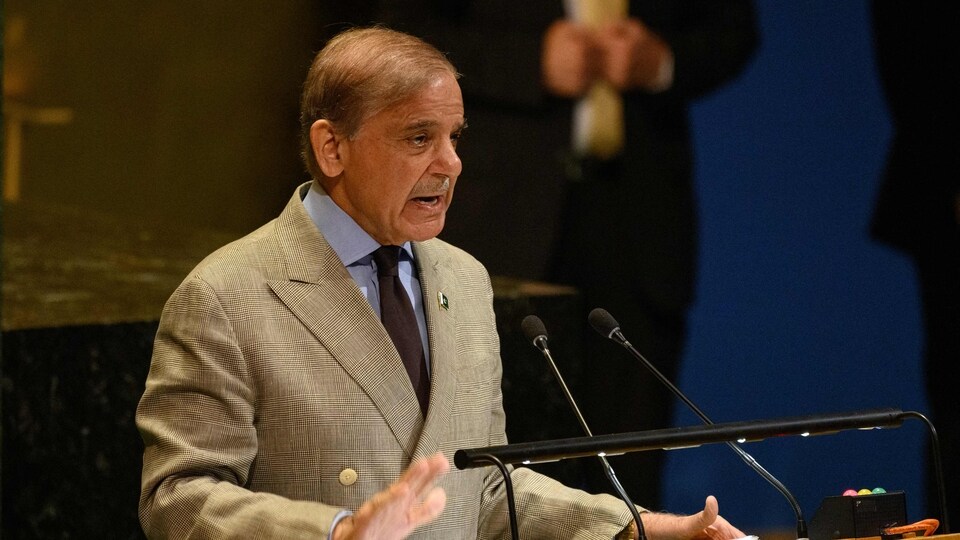
Reports about Pakistan serving as a potential venue for peace talks emerged after US President Donald Trump said on Monday that he had put off threatened strikes on Iranians power plants for five days after “very good and productive conversations” with Tehran. The reports further suggested this was the outcome of an initiative pushed by Pakistan along with Egypt, Saudi Arabia and Turkiye.
Pakistan Army chief Field Marshal Asim Munir spoke to Trump on Sunday, and this was followed by a phone call between Pakistan Prime Minister Shehbaz Sharif and Iranian President Masoud Pezeshkian the next day. The Financial Times and Axios have reported that senior officials from Egypt, Pakistan and Turkiye engaged US special envoy Steve Witkoff and Iran’s foreign minister Seyed Abbas Araghchi to pass messages about finding a possible off-ramp.
An unnamed senior Iranian foreign ministry official also told CBS News that Tehran has “received points from the US through mediators and they are being reviewed”.
According to the reports, Islamabad could serve as the venue for possible talks between the Iranian side and a US team comprising vice president JD Vance, special envoy Steve Witkoff and Jared Kushner.
However, people familiar with the thinking in Islamabad and Tehran said there was no final decision as yet about possible talks aimed at ending the conflict that began with Israel and the US’s military strikes on Iran on February 28. The people, speaking on condition of anonymity, said Pakistan is more than willing to host such talks because it will help Islamabad further strengthen its credibility with Washington.
“If the parties desire, Islamabad is always willing to host talks,” Pakistan Foreign Office spokesman Tahir Andrabi was quoted as saying by the Dawn newspaper.
On the US side, the White House struck a note of caution, indicating that there was no finality as yet about possible peace talks.
“These are sensitive diplomatic discussions and the US will not negotiate through the press. This is a fluid situation, and speculation about meetings should not be deemed as final until they are formally announced by the White House,” White House spokesperson Karoline Leavitt said on the possibility of Vance, Witkoff and Kushner meeting Iranian officials in Islamabad.
Iran’s Speaker of the Parliament, Mohammad Bagher Ghalibaf, a former commander of the Islamic Revolutionary Guards Corps (IRGC) who has emerged as a likely candidate to lead the Iranian side in possible peace talks, has said that no negotiations have taken place with the US and instead contended that Trump’s remarks were aimed at manipulating financial and oil markets.
Zikrur Rahman, a former Indian envoy to Palestine who did several stints in Saudi Arabia and closely tracks developments in West Asia, noted that the latest developments pointed to the close coordination between Saudi Arabia, Turkiye, Egypt and Pakistan – a group that has been referred to in some quarters as “STEP”.
“These four countries are working closely on this issue to find an end to the hostilities and to offer an off-ramp to the US. They have been very active in recent days,” Rahman said. “But nothing is concrete, even though they have been in touch with the US. If the IRGC is not part of these efforts, there will be no success.”