As Canada is poised to impose retaliatory tariffs on the United States on September 8, Canadian Prime Minister Mark Carney said that among the deal-breakers that the administration of President Donald Trump sought to include into a potential pact was that of a veto over the trade deals Ottawa enters into with other countries.
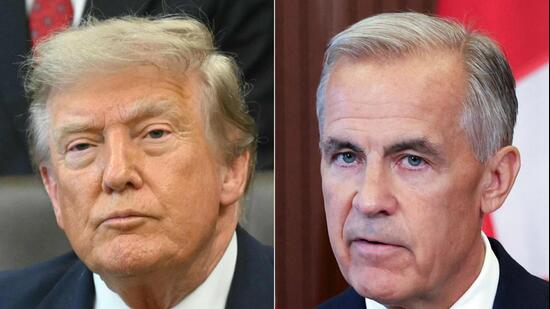
During a press conference in Ottawa on Saturday, Carney said, “The US introduced, in the last hours, efforts to restrict our ability to have other trade deals.” “We are the partner of choice in many respects for countries around the world, and the Americans wanted to restrict that,” he said, describing that American ploy as “unacceptable.”
As matters stand, the trade war will formally go into effect next month, as Canada imposes “dollar for dollar” tariffs on American imports, worth approximately CA$ 28 billion.
Deep Dive
What were the US conditions that led to the collapse of the trade deal with Canada?
Why is Canada imposing retaliatory tariffs on the US?
How is Canada planning to match the US tariffs on imports?
Possibly the most significant trade deal Canada is currently pursuing is the comprehensive economic partnership agreement (CEPA) with India. Negotiations are expected to conclude by December when Prime Minister Narendra Modi is expected to visit Canada to meet Carney and formally announce the deal has been clinched.
There was an oblique reference to that deal in the statement Carney issued late on Friday night aborting the discussions with Washington and calling the Canadian negotiators back. “Our existing free trade deals already provide Canada with preferential access to 1.5 billion consumers, and we are on track to double that market access by the end of this year,” he said, in the release issued by the PMO.
{{/usCountry}}There was an oblique reference to that deal in the statement Carney issued late on Friday night aborting the discussions with Washington and calling the Canadian negotiators back. “Our existing free trade deals already provide Canada with preferential access to 1.5 billion consumers, and we are on track to double that market access by the end of this year,” he said, in the release issued by the PMO.
{{/usCountry}}Those numbers become viable with a deal with India in the frame. “Building at home and diversifying trade abroad is not our Plan B. It has been our Plan A from the start,” Carney said.
Vina Nadjibulla, co-founder and CEO of the Centre for Strategic Statecraft, said Carney’s message “reinforces” Canada’s plan that “this diversification agenda is priority number one.”
She said CEPA was already a priority for Canada and of the deals being considered, that was on “top of the list” along with those being pursued with the ASEAN and Mercosur blocs.
“Canada has what the world wants. And we will not allow any nation to determine our future,” Carney noted.