Rumors on social media have claimed that a new stimulus check or direct deposit relief payment in varying amounts of $1,390 or $1,702 or $2,000 is coming to Americans this year. However, these claims are not true. No official confirmation from Congress or the Internal Revenue Service confirms such claims.
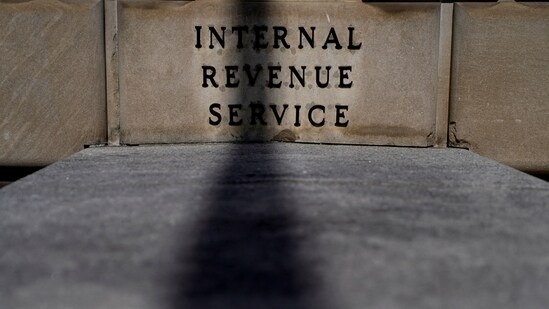
The IRS, in fact, has issued warnings against text scams and impersonators that might mislead people about tax refunds, credits, payments, or new stimulus checks. People may also be pressured to provide personal and financial information about themselves. The claims spread on platforms such as Facebook and TikTok, preying on the financial concerns of millions of Americans.
IRS’ warning
“Scammers mislead you about tax refunds, credits and payments. They pressure you for personal, financial or employment information or money. IRS impersonators try to look like us,” the IRS said on its website.
Read More | $2000 federal direct deposit coming in November? Here's the truth about new stimulus
“If it sounds too good to be true, it probably is. Bad tax advice on social media may convince you to lie on tax forms or mislead you about credits you can claim,” the IRS added. “Impersonators want you to pay “now or else.” They threaten arrest or deportation. They don’t let you question or appeal the amount of tax you owe.”
{{/usCountry}}“If it sounds too good to be true, it probably is. Bad tax advice on social media may convince you to lie on tax forms or mislead you about credits you can claim,” the IRS added. “Impersonators want you to pay “now or else.” They threaten arrest or deportation. They don’t let you question or appeal the amount of tax you owe.”
{{/usCountry}}It further warned, “Odd or misspelled web links can take you to harmful sites instead of IRS.gov.”
The IRS added that it typically contacts people the first time “by mail delivered by the U.S. Postal Service.” “To verify it’s us, search IRS notices and letters. Some letters are sent from private collection agencies,” it added.
Read More | Will November Social Security checks come early? Check schedule and other details
The IRS explained that it generally emails people with thor permission, with some exceptions like criminal investigations. It added that it also texts with permission.
The IRS explained, “The IRS or private collection agencies may call you to address account matters. In some cases, IRS uses automated messages that direct you to IRS.gov to securely manage your account, make payments or resolve an issue. The messages don’t share specific details. We might send a fax to verify or request employment information.”