Citizens of 12 countries will not be able to enter the United States from Monday, June 9, following US President Donald Trump's ban order, issued for what he says is an effort to protect the country from “foreign terrorists”.
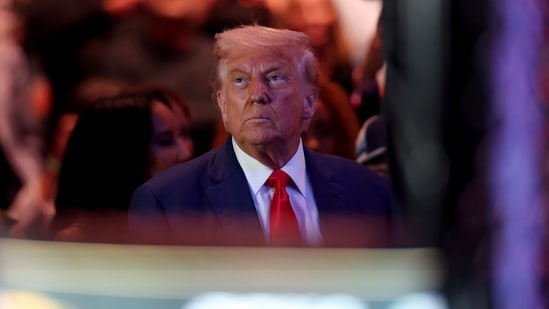
Donald Trump announced the ban on US entry for citizens of 12 countries earlier this week in an action that stemmed from a January 20 executive order he issued requiring the Department of State, Department of Homeland Security and the Director of National Intelligence to compile a report on “hostile attitudes” toward the United States.
Full list of countries facing US entry ban
The countries affected by the latest travel ban are
Afghanistan, Myanmar, Chad, Republic of the Congo, Equatorial Guinea, Eritrea, Haiti, Iran, Libya, Somalia, Sudan Yemen
People from these seven countries will face partial US entry restrictions
Burundi, Cuba, Laos, Sierra Leone, Togo, Turkmenistan Venezuela
Who is exempt from the ban
-Green Card holders – Legal permanent residents of the US.
{{/usCountry}}-Green Card holders – Legal permanent residents of the US.
{{/usCountry}}-Dual citizens – Individuals who hold US citizenship along with citizenship from one of the banned countries.
-Athletes and coaches – Those traveling to the US for major sporting events like the World Cup or Olympics, as determined by the US Secretary of State.
Afghan Special Immigrant visa holders – Afghans who worked with the US government or its allies in Afghanistan.
Persecuted Iranian minorities – Iranians from ethnic or religious minority groups fleeing persecution.
Long-term US government employees abroad – Foreign nationals who have worked for the US government overseas for at least 15 years, along with their spouses and children.
Previously admitted refugees or asylees – Individuals granted asylum or refugee status in the US before the ban took effect.
Family-based visa applicants – Individuals applying for visas to reunite with US citizen or permanent resident spouses, children, or parents.
Diplomats and government officials – Foreign officials traveling on official government business.
UN officials – Those visiting the US exclusively for official United Nations business at UN headquarters in New York.
Representatives of international organisations and NATO – Those on official visits to the US.
Adopted children – Foreign-born children adopted by US citizens.
Donald Trump, a Republican, has carried out a series of sweeping actions and issued orders in a massive crackdown on illegal immigration since return to the White House in January.
Listing the reasoning behind choice of 12 countries, Donald Trump said these were found to harbour a "large-scale presence of terrorists," fail to cooperate on visa security, have an inability to verify travelers' identities, as well as inadequate record-keeping of criminal histories and high rates of visa overstays in the United States.
As an example of why the new curbs are needed, Donald Trump cited the recent incident in Colorado's Boulder, in which an Egyptian national threw a gasoline bomb into a crowd of pro-Israel demonstrators . Egypt, however, is not among the countries facing the travel ban.
Responding to the ban, Chad President Mahamat Idriss Deby Itno said he had instructed his government to stop granting visas to US citizens.
"Chad has neither planes to offer nor billions of dollars to give, but Chad has its dignity and its pride," Itno said in a Facebook post, referring to countries such as Qatar, which gifted the US a luxury jet for Trump's use and promised to invest billions of dollars in the US.