Greg Abbott has been in office long enough to preside over an entirely different Texas than the one he took charge of in 2015. Now running for a historic fourth term, the Republican governor is promoting a record rooted in conservative economics, border security, energy production, and a growing number of cultural issues.
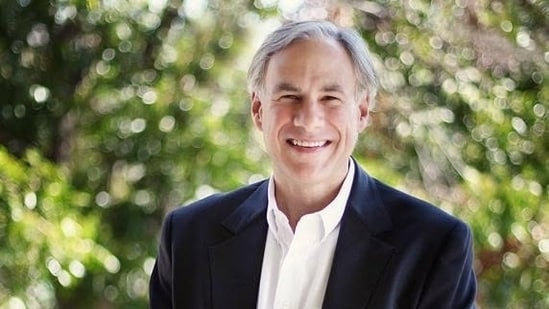
A product of Wichita Falls and later a University of Texas at Austin student, Abbott, 68, was a law school graduate of Vanderbilt and went on to become a Texas Supreme Court justice, the state's attorney general, and eventually a governor after a fall while jogging left him paralyzed from the waist down.
He has been married to Cecilia Abbott since 1981. Cecilia, a former teacher and principal, is Texas' first Hispanic first lady, and they have one daughter, Audrey.
Deep Dive
Is Greg Abbott running for a fourth term as Texas governor in 2026?
What is Greg Abbott's policy on new data centers in Texas?
Why are investors watching the Texas governor's race for its impact on data centers?
Abbott's parents and early years have been largely private in his political biography, while his disability and legal career have been central to his public persona. There is no established single figure that sets out his current personal net worth, so estimates should not be presented as established fact.
Also Read: Katie Hobbs: From social worker to Arizona governor
Abbott's economic record and energy policies
{{/usCountry}}Also Read: Katie Hobbs: From social worker to Arizona governor
Abbott's economic record and energy policies
{{/usCountry}}Economically, Abbott remains broadly business-friendly. His administration cites Texas' robust corporate base, energy sector and small-business economy while promoting property-tax reductions, workforce development and high-demand career training.
In 2026, Abbott directed state departments to expand opportunities in skilled trades and other high-paying jobs. Energy is particularly important to Abbott's economic vision.
Texas remains critical to U.S. oil and gas production, and the governor has promoted domestic energy infrastructure as a source of investment and jobs. His stance on trade is similarly rooted in Texas' role as an energy and manufacturing powerhouse rather than a single policy.
AI and data centers, however, have forced him to temper the aggressively pro-growth approach for which Texas became renowned. After initially embracing huge data-center investment, he ordered a pause of new state-issued permits pending a wider audit of their impact on electricity demand, water and tax incentives. He has insisted that data centers must pay their own way and protect the state's grid and water resources.
Abbott has been unapologetic in his hawkish stance towards Iran. After U.S. military action against the Iranian regime in February, he declared Texas' backing for President Donald Trump and ordered increased security around energy facilities, ports and the southern border.
Immigration, education and cultural perspectives
Abbott's administration has faced repeated national scrutiny for Texas' aggressive immigration and border policies, abortion restrictions, education rules and fights over local authority. His latest campaign continues to focus on parental rights, school restrictions, public safety and resistance to what he sees as progressive cultural policies.
Abbott faces challenge in fourth-term bid
The 2026 race is proving to be less comfortable than some of his earlier Abbott campaigns. A September New York Times-Siena poll puts Democrat Gina Hinojosa ahead, and Abbott has spent heavily to protect his position.
After years in office, Abbott is no longer just asking Texans to imagine what his leadership could bring. He is asking them to judge the Texas he helped build.