A major technology outage at the US National Security Agency (NSA) disrupted operations at a key Georgia facility responsible for intelligence and cybersecurity work focused on the Middle East, where the US is at war with Iran, CNN reported on November 18, citing four people familiar with the matter.
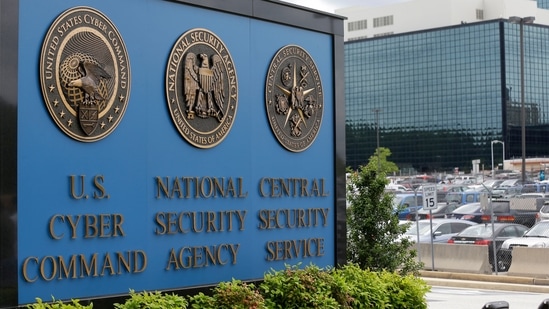
The disruption affected the agency’s classified internal communications network, preventing personnel at the Georgia facility from using it to communicate with colleagues deployed in the region. However, officials said the NSA’s most sensitive intelligence-gathering systems remained operational and that backup systems and alternative channels were available.
The outage is part of wider information technology disruptions that have kept large sections of the agency’s workforce away from its offices for two days. The NSA has been working to restore access, but a senior administration official told CNN that the process was moving “slower than expected”.
Deep Dive
What did the NSA outage disrupt at its Georgia facility?
Why did the NSA technology outage happen?
Was the NSA outage caused by a cyberattack?
Also Read: US plans tougher rules for companies sponsoring foreign workers for Green Cards
Classified communications network affected
The Georgia facility, housed at Fort Gordon in Augusta, supports signals intelligence and cybersecurity operations focused on the Middle East. According to current and former US officials cited by CNN, personnel there could not access NSANet, the agency’s internal classified communications network.
{{/usCountry}}The Georgia facility, housed at Fort Gordon in Augusta, supports signals intelligence and cybersecurity operations focused on the Middle East. According to current and former US officials cited by CNN, personnel there could not access NSANet, the agency’s internal classified communications network.
{{/usCountry}}NSANet functions much like a classified email system, allowing officials to share intelligence reports and communicate securely. Its disruption meant personnel could temporarily lose access to information shared through the network, including communications with colleagues in the region.
However, officials were able to use backup systems and other channels to continue sharing information.
The outage also affected operations at the NSA's headquarters at Fort Meade in Maryland. An operational update sent to employees on November 18 instructed non-essential day-shift personnel not to report for duty unless directed by their supervisors.
Also Read: ‘Like kicking Michael Jordan off your team’: Elon Musk backs Jensen Huang after Nvidia exit
Officials rule out cyberattack
Multiple US officials briefed on the disruption told CNN that the outage did not appear to be the result of a cyberattack. Instead, it was linked to the agency’s handling of software updates intended to address vulnerabilities in PHP, a programming language used by about 70% of the world's websites.
Private researchers disclosed the vulnerabilities last month, with artificial intelligence tools helping identify them. The discovery of security flaws across large numbers of systems has increased pressure on companies and government agencies to install patches quickly.
Senator Mark Warner, Democratic vice chairman of the Senate Intelligence Committee, said AI was allowing researchers to identify vulnerabilities across systems at unprecedented speed. This was putting pressure on organisations to address them simultaneously, straining systems not designed to handle such rapid changes.
Director of National Intelligence Jay Clayton also told lawmakers on the House Homeland Security Committee that he had a “very high level of confidence” that the recent technology disruptions were not caused by cyberattacks.
The outage has highlighted the challenges facing government agencies as they adopt AI tools while trying to maintain the stability of critical computer systems.