Oil shipping costs have jumped sharply, making it more expensive to transport crude oil from the United States to Japan. The oil supertanker Esteem Explorer is scheduled to sail from the US to Japan in late November, carrying around 2 million barrels of crude oil. The journey is expected to cost $81 million, compared with an average of $9.1 million for the same trip last year.
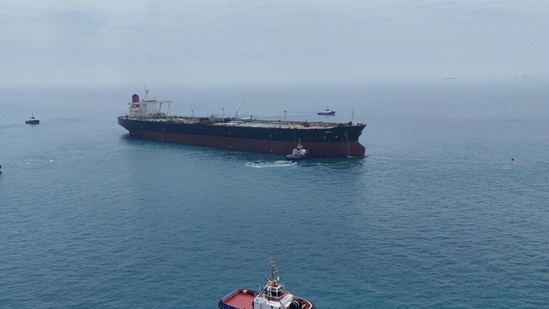
The cost of shipping each barrel of oil has increased to $40.50, around nine times last year's rate. This means that transporting crude oil is becoming a much bigger expense for companies. While higher oil prices are already worrying consumers, rising transportation costs are adding further pressure to the final price of oil and its products, Reuters reported.
Higher shipping costs could make petrol, diesel and other everyday goods more expensive. Refineries turn crude oil into fuels used by cars, trucks, farm equipment and airplanes. These fuels are also important for moving food, retail products and construction materials. When transporting oil becomes more expensive, businesses may face higher costs, which can eventually push up prices for consumers.
Every $10 increase in shipping costs per barrel adds around 23 cents per gallon to gasoline costs. Kenneth Medlock, a fellow in energy and resource economics at the Houston-based Baker Institute for Public Policy, said this increase can affect the price consumers pay for fuel. Based on this estimate, the Esteem Explorer's shipping cost works out to at least 80 cents more per gallon of gasoline than last year, according to Reuters' calculations.
The impact of higher oil transportation costs may take time to reach consumers, but it could last longer if the situation continues. Medlock compared the process to a slow-moving train, explaining that the impact does not happen immediately. However, if high shipping costs continue, they could keep prices elevated at grocery stores, convenience stores and shopping malls. This is because oil and fuel are needed to transport many of the products people buy.
{{/usCountry}}The impact of higher oil transportation costs may take time to reach consumers, but it could last longer if the situation continues. Medlock compared the process to a slow-moving train, explaining that the impact does not happen immediately. However, if high shipping costs continue, they could keep prices elevated at grocery stores, convenience stores and shopping malls. This is because oil and fuel are needed to transport many of the products people buy.
{{/usCountry}}Shipping now accounts for more than 40% of the price of US oil, compared with an average of just 7% in 2025. This calculation is based on Wednesday's US oil price of around $95 per barrel and data from LSEG on shipping costs and oil prices. The sharp increase shows how much more expensive it has become to move crude oil from one place to another.
Also read: US Treasury yields fall: 10-year drops below 5.11% as investors await inflation data
Countries that depend heavily on imported oil are facing some of the biggest challenges. India, the Philippines and Indonesia are among the countries that could bear the brunt of higher transportation costs, Medlock said. These countries rely on oil imports to meet their energy needs, making them more exposed to increases in international shipping expenses.
Record-high oil tanker rates are also putting pressure on the profits of Asian oil refiners. The International Energy Agency said on Wednesday that the rising cost of hiring tankers was squeezing refiners' earnings. Refiners must pay more to bring crude oil to their facilities, which can reduce their profits if they cannot pass the additional costs on to customers.
Why oil shipping costs are rising
Attacks on ships linked to the US-Iran war and the Russia-Ukraine war have pushed up shipping and insurance costs. Ship owners and operators face greater risks when transporting oil through dangerous areas. As a result, they are charging more to carry crude oil, while insurance costs have also increased.
Oil transportation rates from the Strait of Hormuz and the Red Sea to Asia have reached record levels. Rates for moving oil from these Middle Eastern routes to Asia climbed to around $34 per barrel this week, according to Reuters. Shipping companies are adding extra charges to account for the risk of attacks on vessels.
Some ships are taking longer routes to avoid potential attacks, reducing the number of tankers available for other journeys. When a vessel spends more time travelling, it cannot quickly return to carry another cargo. This limits the supply of available ships and pushes transportation prices higher.
Saudi oil shipments are also requiring more vessels because companies are transferring oil from one ship to another. Shippers are increasingly using ship-to-ship transfers to reduce the risks faced by individual vessels. These operations have become more important after attacks on Saudi Arabia's main pipeline increased the amount of oil being exported through the Strait of Hormuz, Reuters reported.
Using more ships for these transfers has reduced tanker availability and increased the time oil cargoes spend at sea. With vessels tied up for longer periods, fewer ships are available to transport other shipments. This has added to the shortage of tankers and pushed freight costs higher.
The shortage of very large crude carriers has also increased prices for smaller oil tankers. Very large crude carriers, such as the Esteem Explorer, can transport huge quantities of oil. With fewer of these vessels available, demand for smaller tankers has also increased, according to Reuters.
Also read: In 2000, the S&P 500 crashed 49%; now, 84% of its stocks are 10% below their record highs
Freight rates for some smaller tankers have quadrupled since the Iran war began in February. According to shipping data provider Signal Ocean, rates have risen fourfold for Suezmax tankers, which can carry up to 1 million barrels of oil, on routes between the US Gulf Coast and Asia. Rates have also quadrupled for Aframax tankers, which can carry up to 750,000 barrels, on routes between the US Gulf Coast and Europe.
Tanker owners earn millions as shipping rates soar
Some oil shippers could benefit from long-term vessel contracts as transportation prices continue to rise. While some companies book tankers for periods of three to five years, many hire ships through the spot market about a month before loading their cargo. Under long-term contracts, shippers and vessel owners agree on prices in advance. If rates continue to increase, companies with these contracts could pay much less than those hiring vessels at current market prices.
The surge in oil transportation costs has created a windfall for tanker owners. Some tanker owners have recently earned as much as $1.3 million per ship per day for a round trip from the Persian Gulf through the Strait of Hormuz to Asia, Georgios Sakellariou, a freight analyst at Signal Ocean, told Reuters. This compares with average earnings of $55,000 per ship per day in 2025.
The increase in tanker earnings has surprised even experienced shipping analysts. Michelle Wiese Bockmann, a senior analyst at maritime intelligence firm Windward, said she would not have believed it six weeks earlier if someone had told her that ships would be earning $1 million a day. Her comments highlight how quickly the oil shipping market has changed, as noted by Reuters.
The tanker industry could be heading for its most profitable year ever. A person at a company that owns and operates tankers, mainly in the Americas, said 2026 could become the most profitable year on record for the industry.
However, tanker rates may fall quickly if oil supply catches up with demand. Erik Broekhuizen, head of tanker research and consulting at ship broker Poten & Partners, said rates are expected to remain strong as long as demand for crude oil exceeds supply. But if the oil market becomes less tight, tanker rates could drop rapidly.
The future cost of transporting oil will depend on oil demand, supply and security risks along major shipping routes. For now, high freight rates and rising insurance costs are making crude oil more expensive to transport. If these pressures continue, they could keep fuel and transportation costs elevated, adding to inflation in countries that depend on imported oil.