Americans will get a chance to vote in the 2026 US midterm elections and decide who represents them in Congress and their state governments. Midterm elections take place halfway through a four-year presidential term. These elections will not decide who becomes president. Donald Trump will remain in office regardless of the results.
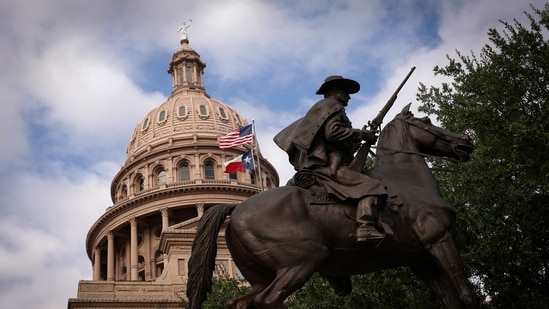
The biggest focus will be on which political party, Republicans or Democrats, controls the US Congress. In the previous midterm elections, more than 100 million Americans cast their votes. Voters will also elect governors in 36 of the 50 states. Nearly every state will hold elections for its state-level legislative bodies, according to The Sun.
When are the 2026 US midterm elections?
The 2026 US midterm elections will take place on Tuesday, November 3. This is the official Election Day when Americans can cast their votes at polling stations. Early voting has already opened in several states.
Deep Dive
When are the 2026 US midterm elections?
How can Americans vote early in the 2026 midterm elections?
What do the 2026 US midterm elections decide, and can they remove the president?
More than 50 million Americans have already cast their ballots through early voting, according to The Sun. Voters who have not voted early can visit their assigned polling station on Election Day.
What time do polling stations open and close?
Polling hours are different across US states and counties. Most polling stations open between 6 am and 7 am and close between 7 pm and 8 pm. The exact opening and closing times depend on the voter's location, as noted by The Sun.
{{/usCountry}}Polling hours are different across US states and counties. Most polling stations open between 6 am and 7 am and close between 7 pm and 8 pm. The exact opening and closing times depend on the voter's location, as noted by The Sun.
{{/usCountry}}Also read: US midterm elections: How the outcome could impact Wall Street, AI stocks and Treasury yields
For example, polling stations in Georgia and Florida will remain open from 7 am to 7 pm.
In Ohio, voting will take place from 6:30 am to 7:30 pm. Some small towns with fewer than 500 people may open their polling stations later, sometimes at 10 am. Voters should check with their local election office to know the exact opening and closing times.
People who are standing in the queue when polling stations close will still be allowed to vote. They should stay in the queue and not leave, even if the official closing time has passed.
How can voters find their assigned polling station?
A voter's polling station is usually decided by their home address. Registered voters are generally expected to visit their assigned polling location on Election Day. This is because their names may not appear on the voter list at other polling stations. However, some states, including California and Nevada, allow registered voters to vote at any approved voting centre in their county on Election Day, according to The Sun.
Voters can use their state or local election office websites to find their polling station. They need to enter their home address to check where they can vote. Websites such as Vote.org and VOTE411 also help voters find their polling station. Voters can enter their home address on these websites to find their assigned voting location.
What should voters do if they have moved or changed their name?
Voters who have moved to a new address since the previous election should check their voter registration details. People who have legally changed their names should also make sure their registration information is updated.
This is important because their polling station and voter records are linked to their registered details. If someone reaches the wrong polling station, poll workers can guide them to the correct location, as noted by The Sun.
What ID documents are required to vote in the 2026 US midterm elections?
Voter ID rules are different in each US state. As noted by The Sun, 36 states require voters to show some form of identification at polling stations. Depending on the state, voters may be asked to show a photo ID.
Commonly accepted photo identification documents include:
- Driver's licence.
- State-issued identification card.
- Passport.
Some states may also ask voters to provide other documents, such as a birth certificate or Social Security card. The exact documents required depend on the state's election rules.
Do voters need to carry their voter registration cards?
Registered voters do not necessarily need to carry their voter registration cards when visiting polling stations. However, they can still use the card as a form of identification where accepted. Voters should check their state's rules before Election Day to avoid problems at polling stations.
Where can voters check the ID rules for their state?
Voters can check their state's identification requirements before heading to the polling station. The National Conference of State Legislatures (NCSL) provides information about voter ID laws across the US, as noted by The Sun.
Vote.org also has a state-wise guide explaining which identification documents voters may need. Voters can also visit their state's Secretary of State website for official information. Checking these rules in advance can help voters avoid confusion on Election Day.