People applying for US visas and permanent resident status (Green Card) must exercise heightened diligence regarding submission timelines commencing October 23, as revised regulations implemented by the US Citizenship and Immigration Services (USCIS) eliminate the extended grace period that was previously granted when specific deadlines coincided with weekends or federal holidays.
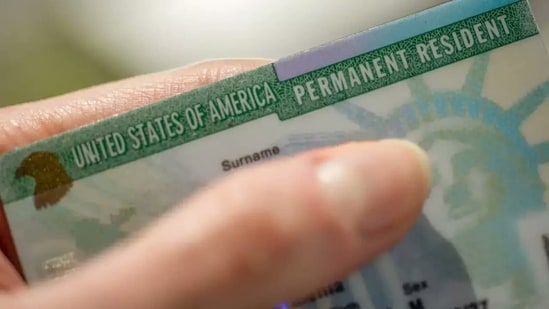
This modification impacts applicants whose qualification status is contingent upon satisfying an age threshold, in addition to H-1B visa holders nearing the conclusion of their permitted employment duration. While certain paper-based submissions will remain eligible for extension provisions when a filing deadline coincides with a non-business day, USCIS will apply distinct treatment to digital submissions and age-dependent eligibility determinations.
USCIS communicated this change through a policy alert designated ‘Definition of Day for Purposes of Filing Deadlines’ released on September 23, 2026. The updated guidance becomes operative on October 23 and supersedes the more accommodating framework that was established in 2023.
US visa alert: What changes under the new rules?
When it comes to online applications, things work a bit differently—they don't get the same extension. Since digital submissions are considered received right away, applicants need to hit the actual deadline instead of counting on the next-business-day rule.
{{/usCountry}}When it comes to online applications, things work a bit differently—they don't get the same extension. Since digital submissions are considered received right away, applicants need to hit the actual deadline instead of counting on the next-business-day rule.
{{/usCountry}}Here's a practical example: imagine a deadline that lands on a Sunday, with a federal holiday following on Monday. A paper application that arrives at USCIS on Tuesday could still be considered on time due to this rule. Of course, whether this applies depends on your specific deadline and the filing instructions you're working with.
The differentiation between paper-based and digital submissions holds significant importance. Applicants must not presume that an extension granted for paper-based filings will automatically extend to electronic submissions.
Key highlights for Green Card applicants approaching 21
The updated policy removes the next-business-day accommodation for deadlines associated with substantive eligibility criteria, particularly age-related restrictions.
This change may impact minors listed in specific green card petitions and people pursuing Special Immigrant Juvenile status, which mandates that applicants be younger than 21 at the time their relevant petition is submitted.
If an applicant reach the age of 21 on a Saturday, Sunday, or federal holiday, the deadline shall not be automatically extended to the next business day. Applicants are responsible for ensuring that all pertinent filings are submitted while they continue to meet the age requirement.
This change carries considerable importance, as even minimal delays may impact eligibility status. Families managing ongoing immigration proceedings should verify the applicable age threshold and submission requirements substantially in advance of an applicant's birthday, rather than presuming that weekend days will afford additional time for completion.
H-1B visa holders advised to verify their I-94 expiration dates
Both H-1B visa holders and their sponsoring employers should carefully examine the expiration dates shown on their Form I-94, which serves as the official arrival and departure documentation and typically specifies the authorized duration of stay within the US.
It is important to recognize that an I-94 expiration date differs from a deadline established by adding a specific number of days. If an H-1B visa holder's authorized stay conclude on a weekend or federal holiday, they must not presume that submitting an extension request on the next business day will maintain their legal status.
Employers and immigration counsel must strategically schedule extension applications to ensure submission occurs prior to the current authorized stay terminating, thereby providing adequate opportunity to resolve any documentation or procedural complications.
The updated guidance does not indicate that all H-1B extensions submitted following an I-94 expiration will receive identical treatment. The determination may be influenced by the relevant immigration statutes and the particular facts of each situation. However, depending on a weekend-related extension would introduce an unnecessary and preventable risk.
Recommended actions for applicants and employers
Following the implementation of the updated guidance on October 23, applicants are advised to implement three essential safeguards:
Determine the Deadline Classification: Ascertain whether the deadline is measured in calendar days or contingent upon satisfying a substantive eligibility criterion, including age or authorized immigration status.
Confirm the Submission Method: Do not presume that an extension granted for paper-based applications will automatically extend to digital submissions.
Submit Before the Deadline: H-1B employers and family members involved in age-dependent green card proceedings should allocate adequate time for document compilation and transmission, rather than scheduling submissions for the deadline date itself.
The critical distinction applicants must recognize is the difference between a procedural submission deadline and a date marking the expiration of eligibility status. While the next-business-day provision will continue to furnish limited protection for eligible paper submissions, it does not constitute a universal extension applicable to all immigration deadlines.