Two storms are currently active in the western Atlantic, with one posing a potential threat to the US coastline. Hurricane Humberto quickly intensified from a Category 1 to a Category 4 hurricane on Friday. The National Hurricane Center reports that high and low-pressure systems are expected to steer Humberto away from the US, keeping it over the open Atlantic, according to The Independent.
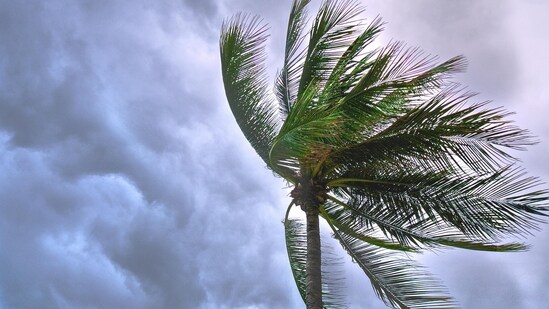
A second system, Tropical Depression Nine, is forming near Humberto. Forecasters say it is likely to strengthen into Tropical Storm Imelda in the coming days.
Hurricane Imelda might cause flooding
FOX Weather Hurricane Specialist Bryan Norcross said, "Even if likely-Hurricane Imelda does not make landfall, potentially dangerous rainfall is likely over at least South Carolina and the eastern two-thirds of North Carolina, with the Low Country and southeastern North Carolina getting the most,"
She added, "But if it makes landfall, as a number of the computer forecasts still indicate, rainfall capable of producing flash flooding will occur over a larger area, including in the mountains."
Imelda could impact the Southeast US
Imelda could impact the Southeast US early this week, running along Florida’s east coast on Monday and potentially reaching the Carolinas by Wednesday.
Also Read: Flash flood warning issued in Boston as storms wreak havoc in Massachusetts
National Hurricane Center issued a tropical storm watch for Florida’
{{/usCountry}}Also Read: Flash flood warning issued in Boston as storms wreak havoc in Massachusetts
National Hurricane Center issued a tropical storm watch for Florida’
{{/usCountry}}On Saturday morning, the National Hurricane Center issued a tropical storm watch for Florida’s eastern coast, from the Palm Beach, Martin County line north to the Flagler, Volusia County line. Additional watches for tropical storm-force winds cover coastal areas from Georgia to Florida, including Altamaha Sound in Georgia, Flagler Beach and Jupiter Inlet in Florida, as well as Titusville, Melbourne, Vero Beach, and parts of Volusia and Martin Counties.
Meteorologists are monitoring the two storms closely. Their proximity could cause interaction known as the Fujiwhara effect, which may influence each storm’s strength and track, complicating forecasts.