
 E-Paper



Why Saudi Arabia may bring temporary visa changes for Indians, Pakistanis ahead of Hajj
The Saudi government is considering temporary visa restrictions for a short period, until the conclusion of Hajj, to better manage travel and immigration.

 Prefer HTon Google


As the Hajj pilgrimage approaches, Saudi Arabia is considering to introduce major changes to its visa policy for travelers from 14 countries to manage the growing influx of pilgrims and ensure a smoother experience.
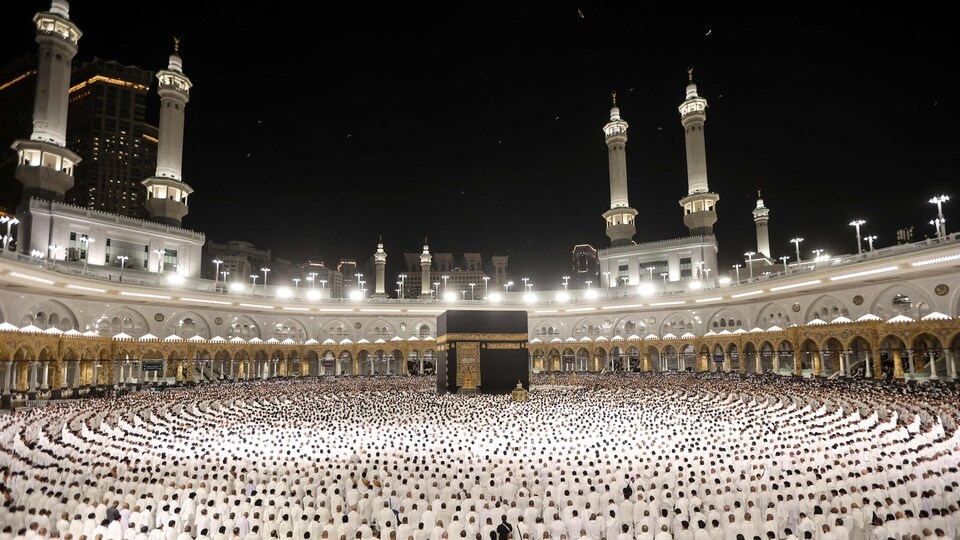
Hajj, the annual Islamic pilgrimage to Mecca, is expected to take place from June 4 to June 9, 2025, depending on the sighting of the moon. However, pilgrims will likely begin their journey to Saudi Arabia as early as the end of April.
Saudi authorities will set April 13, 2025, as the final date for issuing Umrah visas, Pakistan's ARY reported, quoting Saudi authorities. The report added no new visas will be granted to nationals of the affected countries until after Hajj concludes.
The Saudi Ministry of Hajj and Umrah has said that the move is purely a logistical measure aimed at ensuring a safer and better-organised pilgrimage, not related to diplomatic issues, NDTV reported.
Which countries is Saudi Arabia considering for a visa ban ahead of the Hajj pilgrimage?
The countries that will be considered for a visa ban ahead of the Hajj pilgrimage include those from various regions. In South Asia, Bangladesh, India, and Pakistan will be affected. From the Middle East, Egypt, Iraq, Jordan, and Yemen will be included, while in North Africa, Algeria, Morocco, and Tunisia will be on the list. In Sub-Saharan Africa, Ethiopia, Nigeria, and Sudan will be impacted, and from Southeast Asia, Indonesia will also be considered for the visa ban.
The reason behind this move is to prevent unauthorised participation in Hajj. Reports suggest that people from certain countries have entered Saudi Arabia on Umrah or visit visas and overstayed to perform Hajj without registering through official channels. This approach bypasses the kingdom’s quota system, which allocates specific Hajj slots to each country to regulate the number of pilgrims.
Why is this move being considered this time?
The Saudi government is addressing the issue of unauthorized participation in Hajj, with reports indicating that some travelers have entered on long-term visas or overstayed their permits to perform the pilgrimage without proper registration.
In response, Saudi Arabia enforces a quota system, allotting specific Hajj slots to each country. The new visa policy aims to reduce overcrowding, a problem that reached a crisis point in 2024 when over 1,200 pilgrims lost their lives due to extreme heat and congestion.
The Saudi government is reportedly mulling temporary visa restrictions for a short period, until the conclusion of Hajj, to better manage travel and immigration.
While the Saudi government has described this as a temporary measure, they haven’t provided a timeline for review. It’s clear that they’re taking steps to better manage travel and immigration, especially in light of recent events.


