
 E-Paper



10% EBC quota for poor only a classification, not reservation: Gujarat tells SC
The Gujarat government in its petition in the Supreme Court argued that quota is not a reservation, as the high court held, but a genuine classification on economic ground.

 Prefer HTon Google


Gujarat government moved the Supreme Court on Tuesday against the high court verdict quashing an ordinance to provide 10% quota for the economically backward among upper castes with income of up to Rs 6 lakh per annum in admissions.
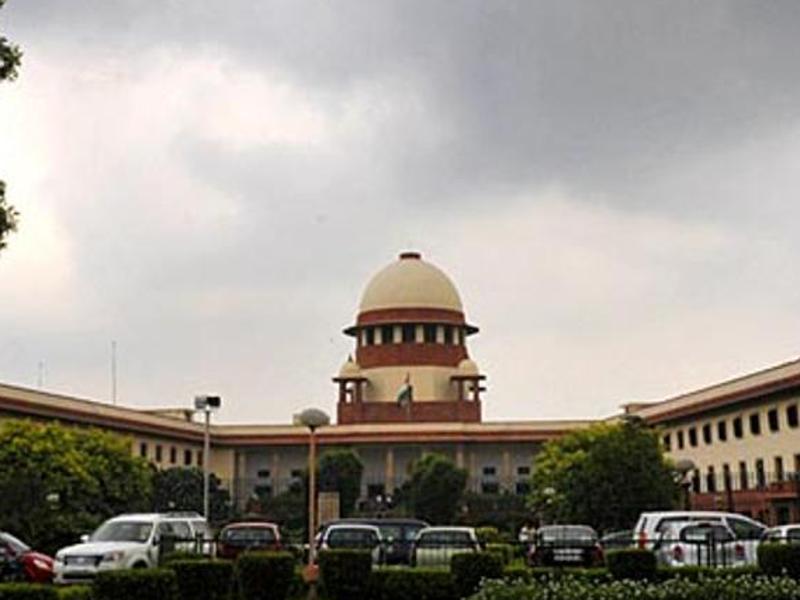
The petition argues that quota is not a reservation, as the HC held, but a genuine classification on economic ground. Filed by advocate Hemantika Wahi, the appeal contends that the benefit extended is to individuals against the collective right.
On August 4 the Gujarat HC held that EBC quota was unconstitutional, saying it cannot be granted on the basis of economic criteria. The Constitution permits quotas to socially backward classes, Scheduled Castes and Scheduled Tribes. Observing that the state government has no power to make such provisions, the HC had ordered cancellation of admissions granted under the policy. In its appeal, the state has asked the SC to stay the judgement, which requires the state to reschedule admissions in engineering and other professional courses.
A charged agitation by the Patidar community demanding quotas had forced the Anandiben administration on May 1 to issue the ordinance. Social activist, Jayantbhai Manani, challenged the government’s move and said in his public interest petition that “any special provision providing quotas based on economic criteria is not tenable under the law as the Constitution does not permit the same.” The ordinance, he said, was in “direct conflict” with the SC judgement that fixes the reservation ceiling to 50% for the socially and educationally backward classes.
The petitioner said the government introduced the benefit without collecting data on poor among upper castes.


