For any family, a child entering school is a memorable event. For a country too, a new batch of children entering school should be a moment of celebration. This year’s Class 1 cohort is a special one. They are starting primary school in the tenth anniversary of the Right to Education Act (RTE). For more than 10 years, school enrolment in India has been 95% or higher. At the same time, the proportion of children staying in school at least up to Class 8, has been increasing. In fact, enrolment in Class 8 has doubled in the last decade. While more and more children have acquired more years of schooling, this trend has not been accompanied by any change in learning trajectories, which, in turn, have been low and flat for years. The guarantee of eight years of schooling is now a reality for almost all Indian children. But ensuring satisfactory levels of learning commensurate with the completion of the elementary stage is yet to happen.
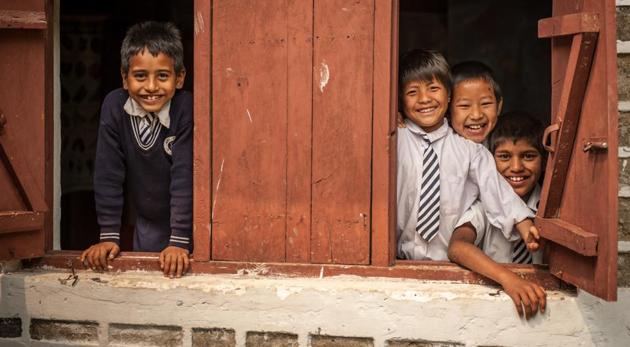
Today’s Class 1 students will complete primary schooling in five years. There is a new national government in place. A new education policy is likely to come alive soon. The draft new education policy stresses the urgent need to address the learning crisis “head on and immediately”. The document also makes a strong case for strengthening focus on early years in school with the highest priority being given to foundational learning. “Attaining foundational literacy and numeracy for all children must become an immediate national mission and an indispensable, non-negotiable part of the curriculum”. Can this year’s Class 1 cohort be the first group whose learning journey is substantially and significantly different from those that went before them?
In early childhood education, “school readiness” is a term that is often talked about. In our own work with young children over the years, we have learned to view “readiness” in at least three ways: ready for school; ready for Class; and ready for learning. Each of these types of “getting ready” needs specific attention. The first few months of Class 1 need to be put aside to enable children to make a smooth transition into this new — and sometimes intimidating — environment. In fact, the draft new education policy even mentions a three month “school preparation” phase for Class 1.
Every journey has a destination. For the first step in a child’s educational journey, clear goals must be set — goals that are realistic and achievable, and expressed in a way that all teachers, parents and others can understand. Reworking learning outcomes for early grades must not fall prey to the overambitious nature of goal-setting and curriculum development that has plagued our teaching-learning systems till now. While foundational skills in reading and arithmetic are certainly important, equally important is the ability to express yourself, to ask when you don’t understand something, to connect what you hear in Class with what you know from your surroundings and so on. Collaboration and working together in groups is a skill to be built from an early age. The natural curiosity and creativity of children is often dampened in school. Keeping these alive and growing is a must. For this, classroom activities need to be based on the belief that breadth of skills supports a child’s comprehensive growth. Narrowing objectives to only literacy or numeracy may not adequately pave the highway needed for children’s later development. At the same time, a few concrete and clear goals need to be articulated and clearly understood by all.
{{/usCountry}}Every journey has a destination. For the first step in a child’s educational journey, clear goals must be set — goals that are realistic and achievable, and expressed in a way that all teachers, parents and others can understand. Reworking learning outcomes for early grades must not fall prey to the overambitious nature of goal-setting and curriculum development that has plagued our teaching-learning systems till now. While foundational skills in reading and arithmetic are certainly important, equally important is the ability to express yourself, to ask when you don’t understand something, to connect what you hear in Class with what you know from your surroundings and so on. Collaboration and working together in groups is a skill to be built from an early age. The natural curiosity and creativity of children is often dampened in school. Keeping these alive and growing is a must. For this, classroom activities need to be based on the belief that breadth of skills supports a child’s comprehensive growth. Narrowing objectives to only literacy or numeracy may not adequately pave the highway needed for children’s later development. At the same time, a few concrete and clear goals need to be articulated and clearly understood by all.
{{/usCountry}}“School readiness” is not only for children. For a child to have a successful first year in school, schools and families need to be prepared too. In many states, there is no clearly designated teacher for this grade; often, the least experienced teacher is given charge. A designated teacher for Class 1 is essential. She needs to be equipped with training designed for this purpose and aligned to the goals that have been articulated. Ongoing support through the year is essential to help the teacher and their children make the progress that is expected, in tackling challenges that may arise, and in ensuring that the opportunity to learn is available to all. Continually involving parents in learning activities, right from the beginning of Class 1, must be a high priority to ensure that parents can participate in an integral way throughout their child’s education.
Our school system needs a lot of fixing. The finalisation of the new education policy may take time but quick and sensible steps to strengthen Class 1 can be taken immediately by every state government. The most promising investment for rebuilding India’s education system is to take a new, determined, first step for building foundational skills of the millions of children entering Class 1. If we can do that this year, the chances of lifting and improving children’s learning paths are high. Then the work towards a better future can begin right now.
(This is part of a series of articles on India’s priorities as we head towards 75 years of Independence)
Rukmini Banerji is the CEO of Pratham Education Foundation
The views expressed are personal