Diwali is an important occasion to worship Goddess Lakshmi and seek her blessings for wealth and prosperity. Performing Lakshmi Puja at an auspicious muhurat, cleaning the house, and following traditional customs are all part of the celebrations.
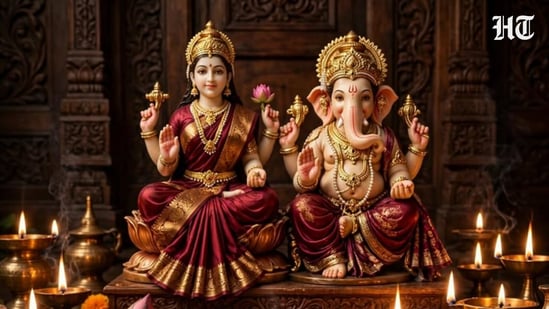
According to Gurudev Vikrant Jain, Chairman and Founder of the Indian Institute of Vedic Science, Diwali holds great significance in Vedic traditions. The festival is associated with Goddess Lakshmi, Lord Ganesha, and the belief in removing negativity from the home and surroundings. Keeping the house clean, lighting diyas, and offering prayers are among the traditions followed during the festival.
ALSO READ: Diwali 2026 calendar: Dates, puja muhurat and rituals for Dhanteras, Lakshmi Puja and Bhai Dooj
When Is Diwali in 2026?
In 2026, Diwali will be celebrated on Sunday, November 8. The festival falls on Kartik Amavasya, an important day for worshipping Goddess Lakshmi. The evening is considered an auspicious time for Lakshmi Puja, when families offer prayers at home and businesses.
Diwali 2026: Lakshmi Puja shubh muhurat
Performing Lakshmi Puja during Pradosh Kaal and Vrishabha Lagna is traditionally considered favorable.
Lakshmi Puja muhurat for New Delhi and nearby areas:
{{/usCountry}}Performing Lakshmi Puja during Pradosh Kaal and Vrishabha Lagna is traditionally considered favorable.
Lakshmi Puja muhurat for New Delhi and nearby areas:
{{/usCountry}}Date: Sunday, November 8, 2026
Lakshmi Puja muhurat: 5:54 PM to 7:50 PM
Pradosh Kaal: 5:31 PM to 8:09 PM
Amavasya Tithi begins: 11:27 AM, November 8
Amavasya Tithi ends: 12:31 PM, November 9
These timings are location-specific. If you live in another city, check your local Panchang before performing the puja.
Important rituals to perform on Diwali
Here are some traditional rituals you can follow during Diwali:
1. Clean your home before Diwali
Cleaning the house before Diwali is an important tradition. It is believed to remove negativity and prepare the home for Goddess Lakshmi. Pay special attention to the entrance, prayer room, and main living areas.
2. Light diyas around your home
Lighting earthen diyas is one of the main traditions of Diwali. Place them near the entrance, balconies, windows, and prayer area. The light is traditionally associated with knowledge, hope, and the removal of darkness.
3. Perform Lakshmi and Ganesha Puja
Perform Lakshmi-Ganesha Puja during the auspicious muhurat. Offer flowers, sweets, fruits, kumkum, and other traditional offerings. Devotees pray to Goddess Lakshmi for prosperity and Lord Ganesha for wisdom and the removal of obstacles.
4. Decorate the main entrance
Decorate your entrance with rangoli, flowers, torans, and diyas. According to traditional beliefs, a clean and decorated entrance is considered welcoming to Goddess Lakshmi and is associated with happiness and prosperity.
5. Offer prayers and practice charity
Diwali is also a time to share with others. You can donate food, clothes, sweets, or other essential items to people in need. Helping others is considered an important part of the festival.
Diwali 2026: Important do’s and don’ts
Certain customs are traditionally followed during Diwali. Here are some important do’s and don’ts for the festival.
Do’s on Diwali
- Keep your home clean: Clean your house, especially the entrance and prayer area, before Lakshmi Puja.
- Perform Lakshmi-Ganesha Puja: Worship Goddess Lakshmi and Lord Ganesha during the auspicious muhurat.
- Light earthen diyas: Place traditional diyas around your home and in the prayer area.
- Wear clean and traditional clothes: Wear clean clothes while performing the puja.
- Respect elders: Take blessings from your parents, grandparents, and other elders in the family.
- Practice charity: Share food, sweets, and gifts with those in need.
- Keep your mandir clean: Arrange your puja items properly and offer fresh flowers and traditional bhog.
Don’ts on Diwali
- Avoid arguments and negative behavior: Do not let disagreements disturb the celebrations at home.
- Avoid disrespecting food and money: Treat food, money, and other resources with gratitude and respect.
- Avoid unnecessary borrowing or lending during puja: According to some traditional beliefs, financial transactions should be avoided during the main worship period.
- Do not waste food: Prepare food thoughtfully and share it with others.
- Avoid harmful firecrackers: Choose safer, eco-friendly ways to celebrate and consider children, older adults, animals, and the environment.
- Do not perform rituals in a hurry: Take your time with the puja and perform the rituals with devotion.
Which things should you offer during Lakshmi Puja?
Some traditional offerings made during Diwali Lakshmi Puja include:
- Lotus flowers: Associated with Goddess Lakshmi and purity.
- Kumkum: Used during worship as a symbol of auspiciousness.
- Fresh fruits: Offered during the puja as part of the traditional offerings.
- Mithai: Sweets are offered as bhog and later shared with family members.
- Coconut: Considered an auspicious offering in Hindu worship.
- Panchamrit: Prepared using milk, curd, honey, ghee, and sugar.
- Diyas: Lit during the puja and placed around the home.
Why is Diwali considered auspicious in Vedic astrology?
In Vedic traditions, Diwali falls on Amavasya, the new moon day of the Hindu lunar calendar. The day is considered important for prayers and worship, particularly for those seeking blessings for wealth and prosperity. Goddess Lakshmi is worshipped as the deity of wealth and abundance, while Lord Ganesha is associated with wisdom, success, and the removal of obstacles. Lighting diyas is another important part of the celebrations. Traditionally, it represents the victory of light over darkness and the movement from ignorance toward knowledge.
Disclaimer: The rituals and auspicious timings mentioned in this article are based on traditional Hindu beliefs and Vedic practices. They are shared for informational purposes and do not guarantee wealth, prosperity, or any particular outcome.