
 E-Paper



“Annie Ernaux hardly ever juggles with jargon so translation is not difficult”
SR Kichenamourty on winning the Romain Rolland Book Prize for translating Ernaux’s Une Femme from the French into Tamil

 Prefer HTon Google


What drew you to translate Annie Ernaux’s work, and Une femme specifically?
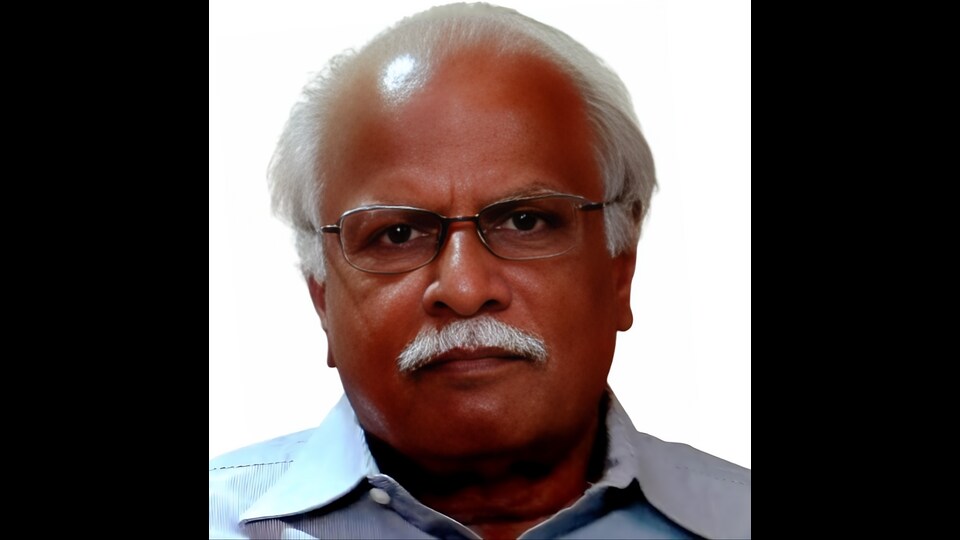
I was a teacher of French literature in Pondicherry University and I had previous knowledge of Annie Ernaux’s works. However, initially, for me, she was a French author among a host of others like Michel Houellebecq and Patrick Modiano. I didn’t delve deep into her works, but the Nobel Prize changed the whole scenario and that’s when I started to take a closer interest in her works.
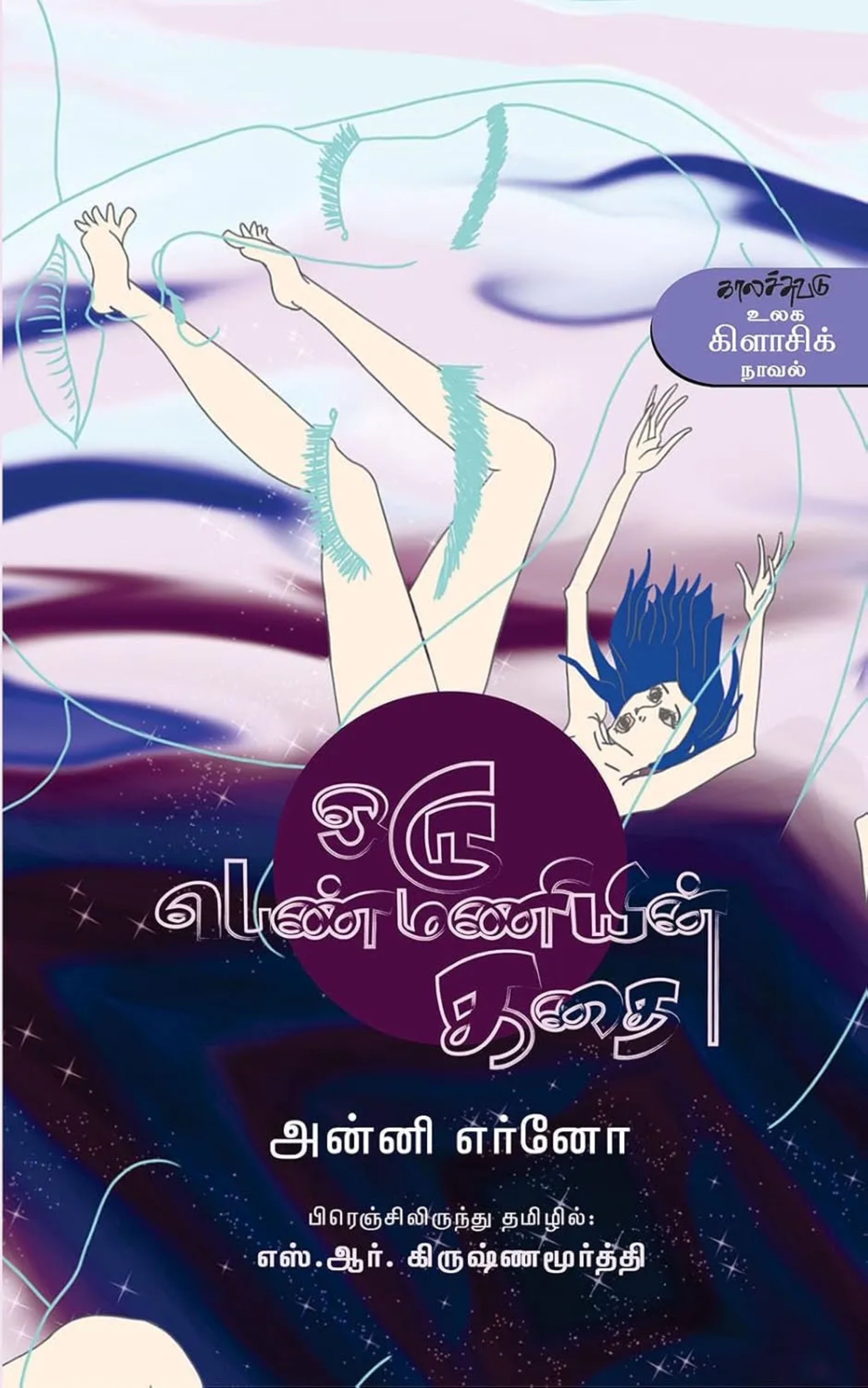
First, I translated her book La Place, which deals with the narrator’s father. With the experience I gained from it, and at the suggestion of Kalachuvadu publishers, I took up for translation Une Femme, which narrates the life of the author’s mother.
Talk us through the process of literary translation from French directly into Tamil – the challenges, the similarities in both the languages, etc.
I was born in a place called Karaikal, which is part of Pondicherry, which was at the time still under French rule. Naturally, I went to a French medium school and it became my mother tongue, after Tamil. I was, therefore, in a privileged position to understand the similarities and the dissimilarities between French and Tamil.
French syntax is quite different from Tamil syntax. Roughly the French pattern of sentence is: subject – verb – object, while Tamil pattern is: subject – object – verb. This difference is crucial in translation. So, to translate from French to Tamil, the translator has to start translating from the end of the French sentence.
Were there particular French expressions or colloquialisms in Ernaux’s book that posed challenges? How did you resolve them?
The narrator of the story belongs to French Normandy and she cannot get away from local ways of speaking whenever she tries to illustrate some particularly delicate situation. But she takes care to explain them in some way or other. This is indeed a boon not only to the reader but also to the translator because then it’s not necessary to find equivalents in his/her mother tongue.
For example, on page 25 of Une Femme, in the narrator’s local language, the word ‘ambition’ does not mean the same thing as the English word ‘ambition’. It means ‘the suffering caused by separation’. The explanation forms part of the text: En normand, “ambition” signifiela douleur d’être séparé, un chien peut mourir d’ambition. In this case, I gave the Tamil transliteration of the word “ambition” and translated the author’s own explanation in Tamil.
Ernaux’s style is known for its sparse, documentary-like prose. How did you approach preserving this distinctive voice in Tamil?
This kind of style is very common in day-to-day Tamil. It would have been difficult only if she had chosen a contrived florid style to express some humdrum every day realities. There was therefore no particular difficulty in adopting, in the translation, the kind of prose she uses in her book.

The book deals with class consciousness and social mobility in post-war France. How did you navigate cultural references that might not have direct Tamil equivalents?
Class consciousness and social mobility indeed characterized post-war France. Tamil readers, though living in a caste-ridden society, can certainly understand these notions because well-known Tamil writers like Rajam Krishnan and SV Rajadurai have popularized them in their writings. Education being accessible to all castes and communities, social mobility has become an everyday reality in Tamil Nadu too. Moreover, Annie Ernaux hardly ever juggles with sociological or political jargon. In this context, the translator’s job is not too difficult. Tamil readers can easily extrapolate experiences.
You’ve won the Romain Rolland book prize earlier too (for the Tamil translation of La vie d’un Homme Inconnua by Andrei Makine). Who is your intended Tamil reader, and what do you hope Tamil readers will gain from this translation?
I had earlier translated Andrei Makine’s La Vie d’un Homme Inconnu which met with instant success not only because it won the Romain Rolland award but also the prestigious Vikatan award for the best translation in Tamil. Though there is no systematic survey, it can be roughly said that Tamil readers’ interest in translated French works is aroused chiefly by a desire to know exotic regions and cultures. My translations do not lose sight of this expectation.
What are you working on next?
I am now working on a Tamil book on French thinkers, starting from the Sixteenth century. It will cover five centuries up to the Twentieth century. As most of the French literary works have some kind of philosophical underpinning, I hope my work will help Tamil readers to go deep into French literature.
Arunima Mazumdar is an independent writer. She is @sermoninstone on Twitter and @sermonsinstone on Instagram.


