
 E-Paper



Gideon Levy: “I want to live in a just state”
The Israeli journalist and author most recently of The Killing of Gaza; Reports on a Catastrophe, on speaking out against the occupation of Palestine

 Prefer HTon Google


Why is it important that Jews such as yourself speak out against Israel’s occupation of Palestinian territories?
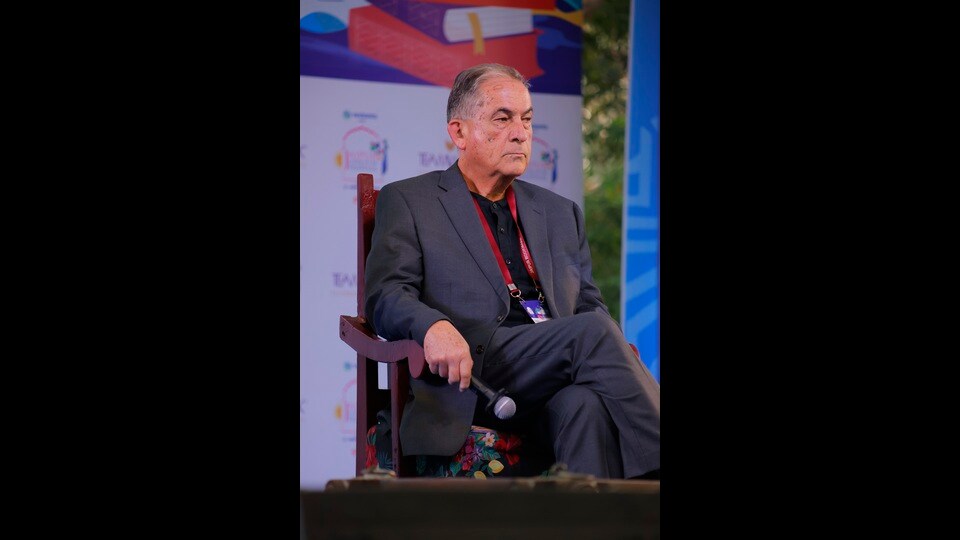
The reason is quite simple and straightforward. I want to live in a just state! As long as occupation and apartheid go on, I will continue to live in an unjust place. There is injustice on a daily basis towards millions of people. Through my work as a journalist, I try to change this. This is not only my right. It is my duty to do so.
Judaism places great emphasis on the concept of Tikkun olam. How can Jews seek inspiration from this principle to do the right thing in this contemporary political environment?
Tikkun olam means “correcting the world”. I don’t think that I am capable enough to do that, so I do not even aspire to it. My inspiration is more modest. Let me try to correct my own country, which is going in the wrong direction. I criticise ideas like “Jewish morality” and “Jewish values”. Let us follow international law without getting into philosophy. Let us stick to moral principles that are universal. Don’t kill innocent people. Don’t punish a whole piece of land for the actions of some individuals who did something bad. You do not need any concepts. You only need a conscience to do the right thing.
Israelis who have spoken out in solidarity with Palestinians have had to face repercussions such as losing their jobs. With the growing fear of a potential backlash, to what extent is it really possible for Israelis to raise their voice?
I am the best example of an Israeli person who has raised his voice in support of Palestinians. I live in Israel and I continue to write for Haaretz, the most respected Israeli newspaper that gives me the freedom to write. I have the privilege of being a Jewish journalist. People like me have more rights than Palestinians. I do not take them for granted.
You have also received death threats, haven’t you?
Yes, I have. I receive them all the time. But that will not change anything about how I think and what I write.
Where do you draw your courage from?
Well, I don’t think that you need much courage. I cannot keep silent when I see what is happening. People who live in the occupied territories face a lot more danger every day. I am only doing my job as a journalist. Even an electrician who climbs ladders to fix wires faces danger on a daily basis while he is doing his job. I do not like to think that I am a very courageous person.
What, according to you, is the role of journalists in seeking accountability after the announcement of the ceasefire deal between Israel and Hamas?
We have a big responsibility as always. First of all, our job is to give our readers and viewers the whole truth; not opinion and propaganda. Journalists must be professional in their approach. We must free ourselves from the agenda of the government as well as its rivals.
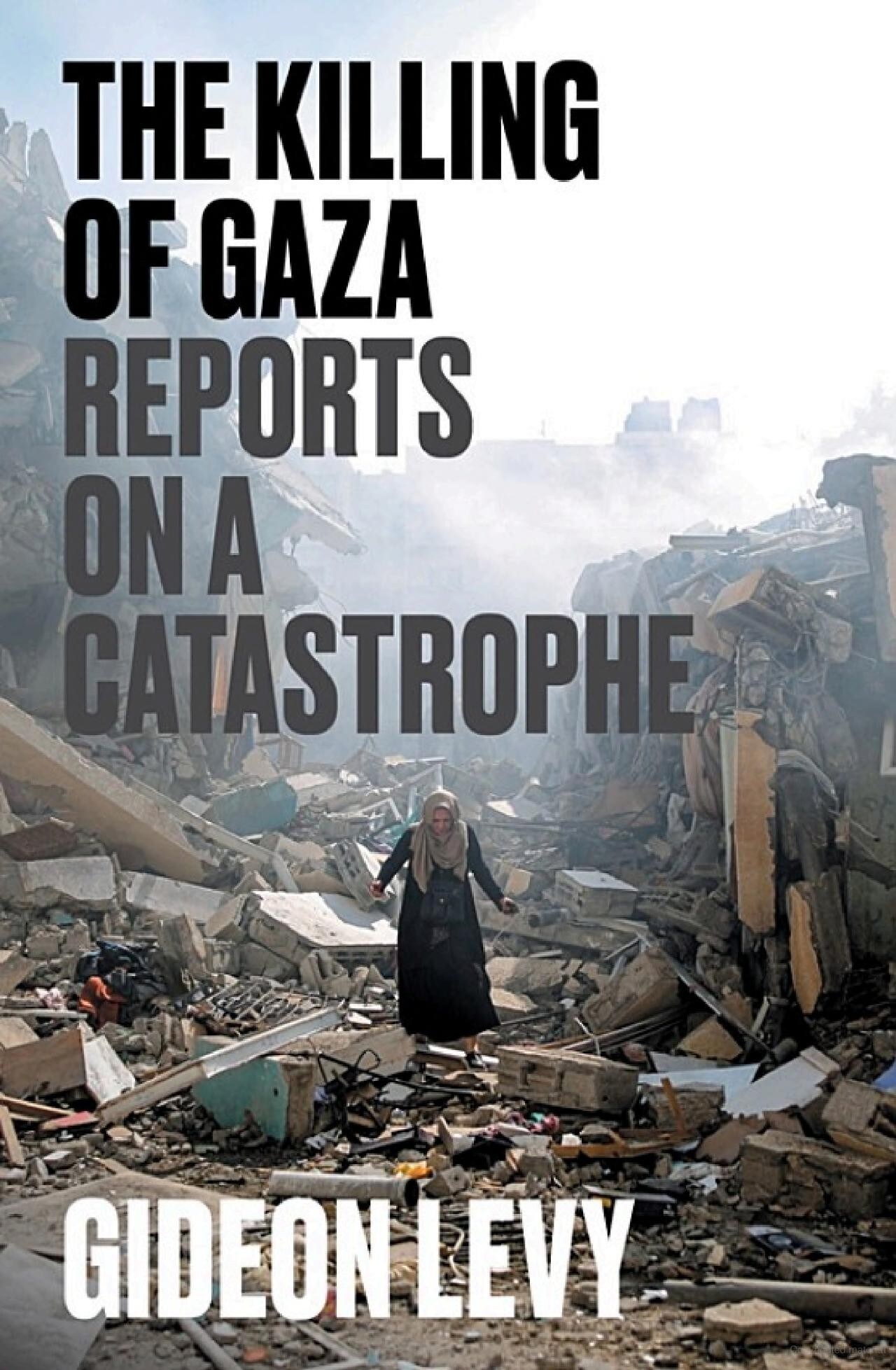
How did you end up writing your new book The Killing of Gaza?
My publisher thought that my pieces should be published as a book, along the lines of my previous one called The Punishment of Gaza. I liked the idea because compiling the pieces in this form gives readers a concentrated picture of what I have seen in Gaza through the years. I have written a foreword and an epilogue to lay out the context.
In India, we don’t get to hear many stories of “conscientious objectors” from Israel who are protesting against apartheid and genocide. Could you tell us about the resistance movements in Israel?
Right now, the opposition to Benjamin Netanyahu is very strong, vocal, active, and devoted. There are demonstrations every week. Unfortunately, what’s almost totally absent is an opposition to the war and crimes of war. Only a handful of people in Israel are raising their voices against apartheid and genocide. In my view, this is very unfortunate. After the Hamas attack on October 7, 2023, it has become harder to talk about what is Israel is doing in the occupied territories. The conversation is more focused on what Hamas did to Israelis.
What kind of impact do anti-Zionist organizations in the United States, such as Jewish Voice of Peace, have on the actual situation for Palestinians?
You cannot measure the impact of their work but you can see a process that is the outcome of a long-standing activity. Even in Israel, there are small organizations that are devoted to their work. We cannot seek immediate results. Everyone is doing whatever they can. We will see some changes gradually and eventually.
Your father fled the Nazi regime to protect himself from persecution. Would you say that this family history helped you empathize with Palestinians who have been forced to abandon their homes?
My father was trying to get to Palestine from the Czech Republic with other Jewish people. They were on a ship for months because they were not allowed to disembark in any port. They ran out of food. I cannot even imagine how they survived. Finally, the British sent them to a detention camp in Lebanon. After that, they were sent to Israel. My father felt like a refugee all his life. He belonged to Europe because that’s where he was brought up. He did not even speak Hebrew.
How do you view the idea of a two-state solution in West Asia? Are we moving closer to that or does it seem far away?
In my opinion, it is not far away; it is dead. I don’t see it being implemented. There are several hundred thousand Jewish settlers in the West Bank. The two-state solution will never happen. I wish it would have happened. There is no room for it. That train has left the station. There could be a Palestinian Bantustan like independent states in South Africa that were created for black people.
Israel promotes itself as a very liberal destination for LGBTQ people around the world. Is this a way of whitewashing its human rights violations?
Israel is very liberal. I have no doubt about it. But being liberal about one thing does not give you the right to be so cruel and immoral in other matters. Israel is using its liberal image for propaganda. It is constantly reminding everyone how Hamas treats gay people. Yes, what they do is horrible. But that does not mean that Palestinian people don’t have rights.
Chintan Girish Modi is a journalist, educator and literary critic. He is @chintanwriting on Instagram and X.


