
 E-Paper



Evolved procurement key to defence drones' utility
Traditional procurement, slowed by bureaucratic hurdles and long timelines, isn't built for a landscape that moves quite fast.

 Prefer HTon Google


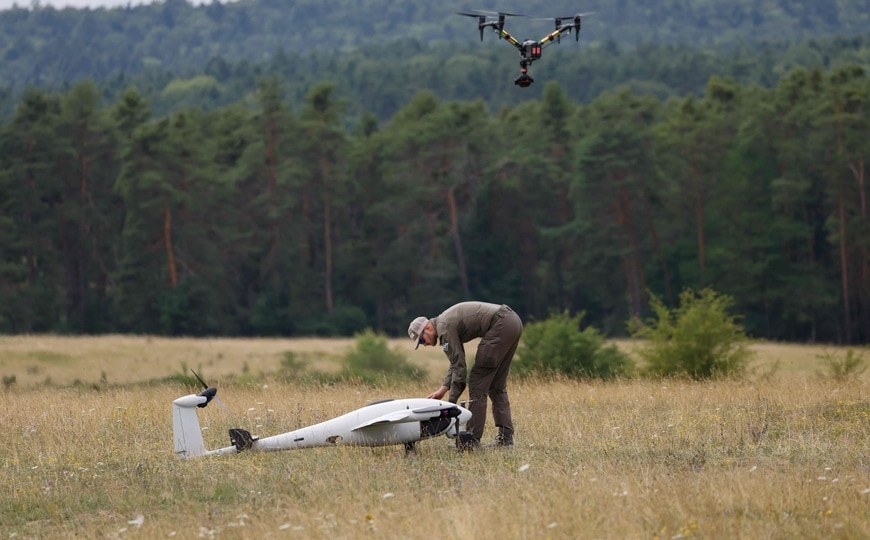
Conflicts across the world have seen an increase in the use of drones, not just larger uncrewed systems akin to fighter aircraft, but hundreds of small, attritable systems deployed for a variety of purposes. For India, the aftermath of Operation Sindoor has translated directly into monetary commitment — emergency procurement of new systems, and a reported $2-billion commitment towards further drone purchases. These are steps that will help make India’s fleet more competitive. But the money is being spent through procurement processes designed to acquire platforms with a much longer shelf life than a tactical drone, and that mismatch is the real problem.
Read also | Haryana to deploy AI-powered drones to track illegal constructions, mining
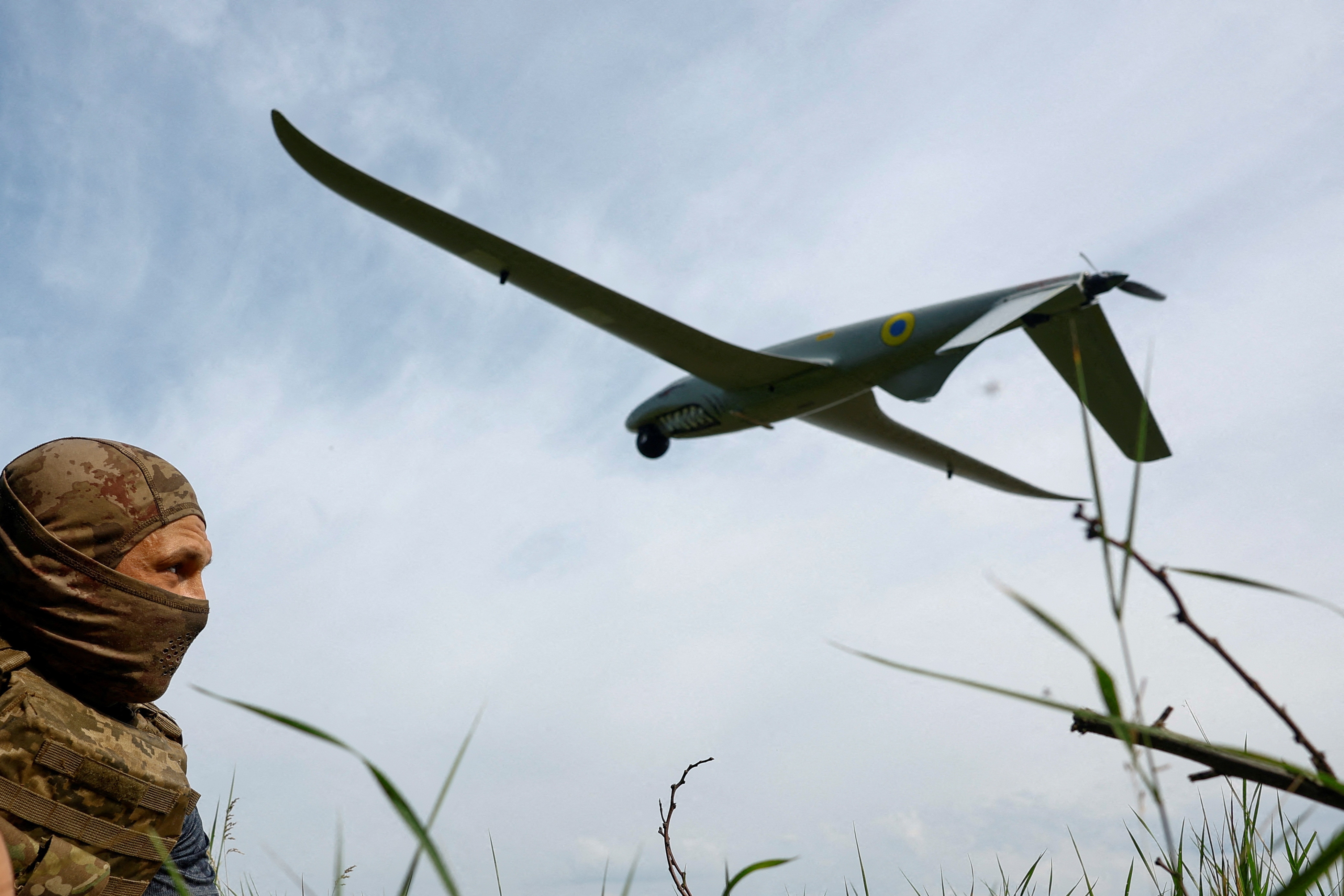
What sets the procurement of small, tactical drones apart from the acquisition of most other platforms is how fast they evolve. An aircraft or frigate purchased today is designed to provide a competitive advantage even several years later. That is not the case with small drones. Because they are both relatively cheap and easily modifiable, upgrades can be needed in as little as a few weeks. Enemy capabilities evolve rapidly, and modifications often have to be made to sensors and communication links just to bypass them— Ukrainian engineers, for instance, had to replace radio links with fibre-optic payloads once Russian jammers learned to intercept their drones’ signals.
As recently as two or three years ago, small drones in the micro or nano category were more a hobbyist’s toy than a military asset. Since then, they have been modified for both strike and reconnaissance missions and are now mass-produced to be cost-effective. Ukraine was the first case to capture global attention, through first-person-view (FPV) drones retrofitted with explosives. Innovations from the civilian drone industry were absorbed and adapted by the military almost as fast as they emerged. This is exactly the landscape against which India’s $2-billion drone commitment has to operate. Traditional procurement, slowed by bureaucratic hurdles and long timelines, isn’t built for a landscape that moves this fast.
Read also | ‘Hit sensitive target’: Yemen’s Houthis claim drone strike on Saudi Arabia’s Najran airport
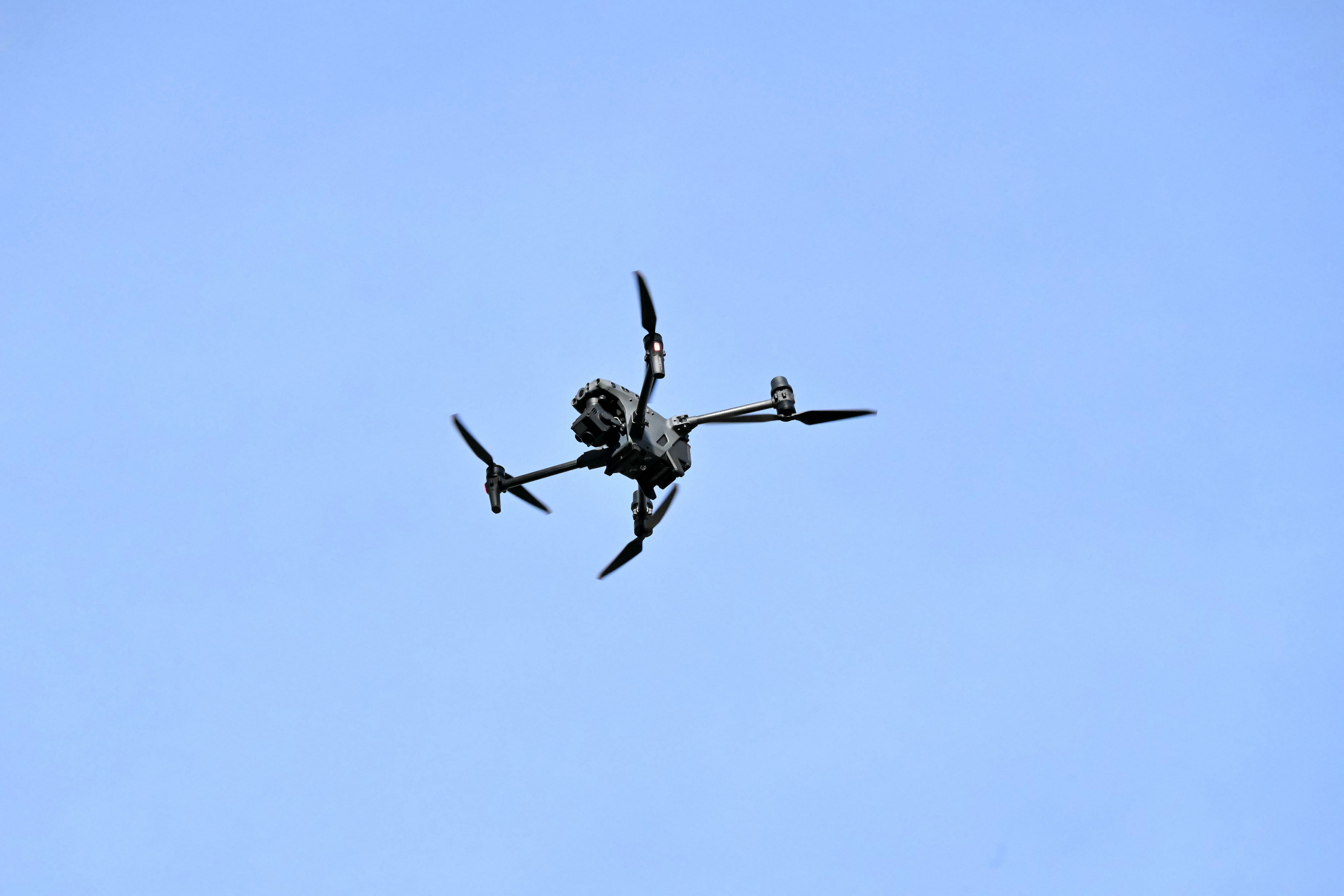
Because innovations in the commercial drone sector so directly benefit the military, meeting this pace also requires R&D processes that are far more iterative and collaborative than India’s current approach allows. China’s success in this space owes something to exactly this kind of close involvement between the armed forces, academia, and the drone industry.
The armed forces have already begun reorienting themselves to these new realities faster than procurement practices have changed. New tactical formations such as Ashni platoons have been embedded in every infantry battalion, and Bhairav light-combat battalions are being introduced specifically to absorb drone warfare at the unit level. The Army wants 30,000 drones in the field and a lakh personnel trained to operate them within a year. That kind of institutional urgency deserves a procurement system that moves at the same speed.
Read also | Ukrainian drones send Crimea's tourism industry into freefall
India’s Defence Acquisition Procedure (DAP) and Defence Procurement Manual (DPM) have made some provisions that help streamline acquisitions and upgrades, which are steps in the right direction. However, they fall short because buyer-seller relationships remain transactional, with little room for iterative processes. Government tenders address the need to procure platforms; they do not cater to the potential future requirement for modifications and upgrades, whether in hardware or software.
A model built for this pace already exists, just not in defence procurement. It resembles the way enterprise software companies buy computers: through service contracts, rather than one-off purchases.
The idea is to have a contract where the buyer and seller engage over a long period of time, beyond merely the initial order. Vendors commit to supplying a guaranteed minimum number of flight-ready drones over time, giving industry the demand predictability it needs to invest and scale, something that is currently lacking. In exchange, vendors take on an ongoing service obligation: sustained R&D to stay ahead of evolving countermeasures. Both parties jointly project future requirements based on global trends and developments in the civilian market, and once this capability bracket is set, buyers commit upfront to future upgrades against that broad bracket— rather than a narrow, fixed list of specifications. That means when better sensors, electronic countermeasures, or autonomy features are developed, they can be folded in without the delays of an entirely new tender and contract.
This is not about outsourcing India’s combat power to private vendors. It is about sharing the burden of staying current between the defence forces, who are the end-users, and industry, who will invariably have to meet their requirements.
None of this is free of cost. Locking into long-term vendor relationships will inevitably favour established players with the balance sheets to sustain them, at the expense of smaller entrants. This is slightly contradictory to the DPM’s own commitment to open competition.
However, India’s drone ecosystem already faces a version of this trade-off. Smaller manufacturers win a contract, deliver it, and then face an uncertain gap before the next one, unable to plan long-term R&D around unpredictable demand. A contract built around longer-term engagement doesn’t eliminate that risk, but it converts a purely transactional relationship into a sustained one.
Despite its shortcomings, this model enables India to keep pace with an adversary whose electronic warfare unit adapts in eight weeks, not eight years.
Larger platforms will continue to have long-term utility in modern warfare. However, the part of the battle that relies on tactical drones will not stay still, and it is imperative that procurement practices evolve to keep pace.
Adya Madhavan is research analyst, The Takshashila Institution. The views expressed are personal


