
 E-Paper



Needrup Zangpo: “When people called Drukpa Kunley mad, he owned it with pride”
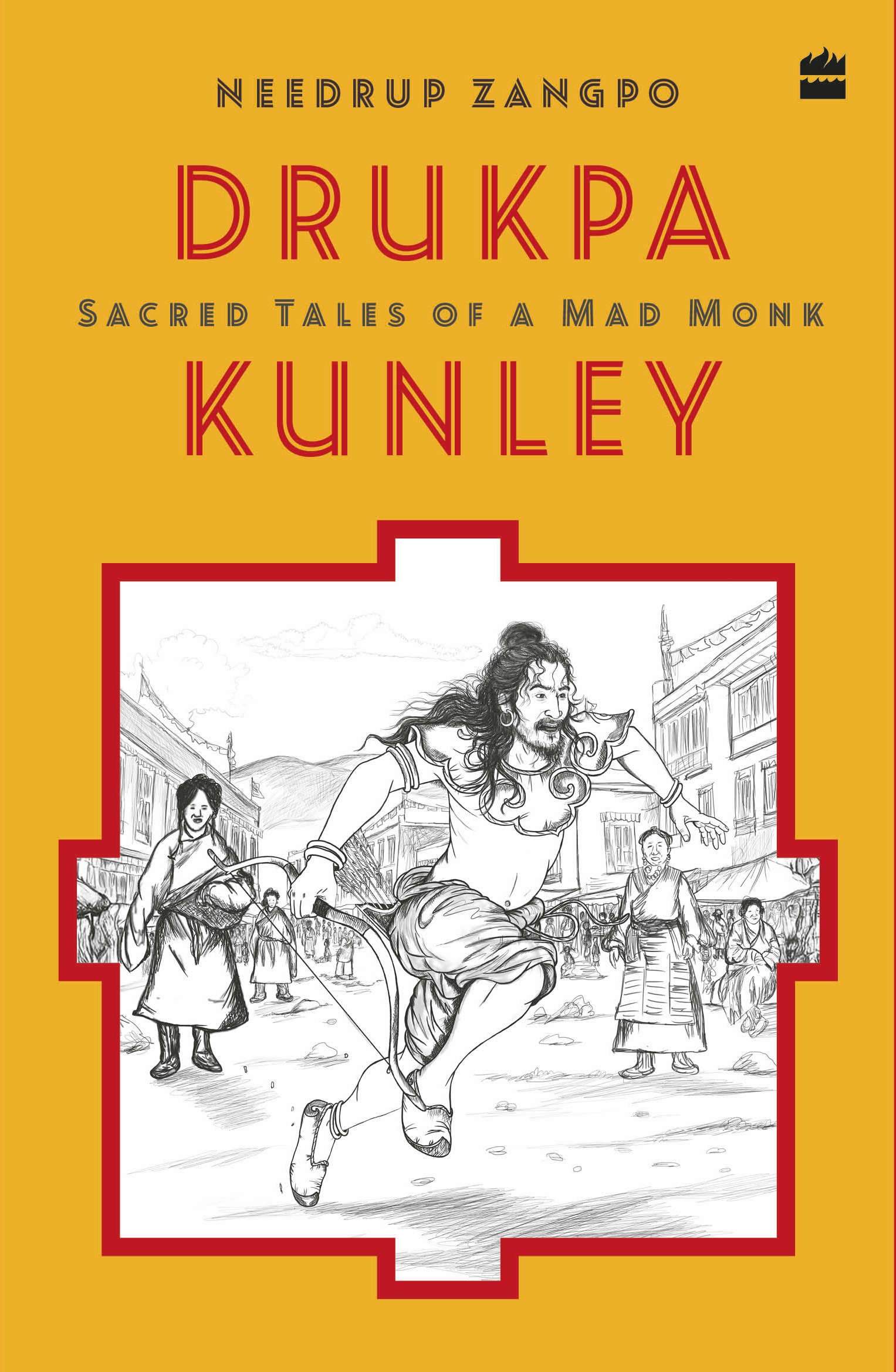
The author of ‘Drukpa Kunley: Sacred Tales of a Mad Monk’ on writing about Bhutan’s favourite “divine madman”

 Prefer HTon Google


What led you to write a book on the much-loved Drukpa Kunley, who is often described as a “mad monk” or “divine madman”?
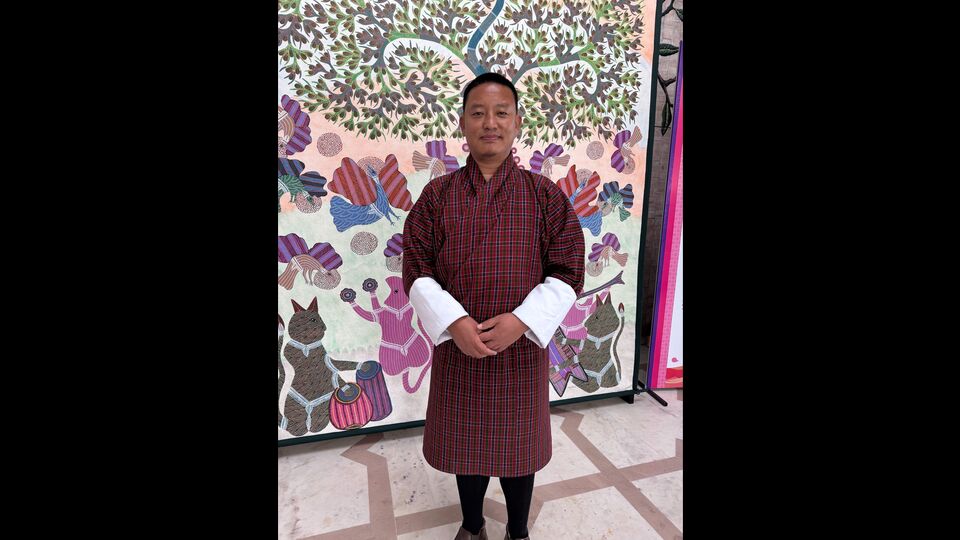
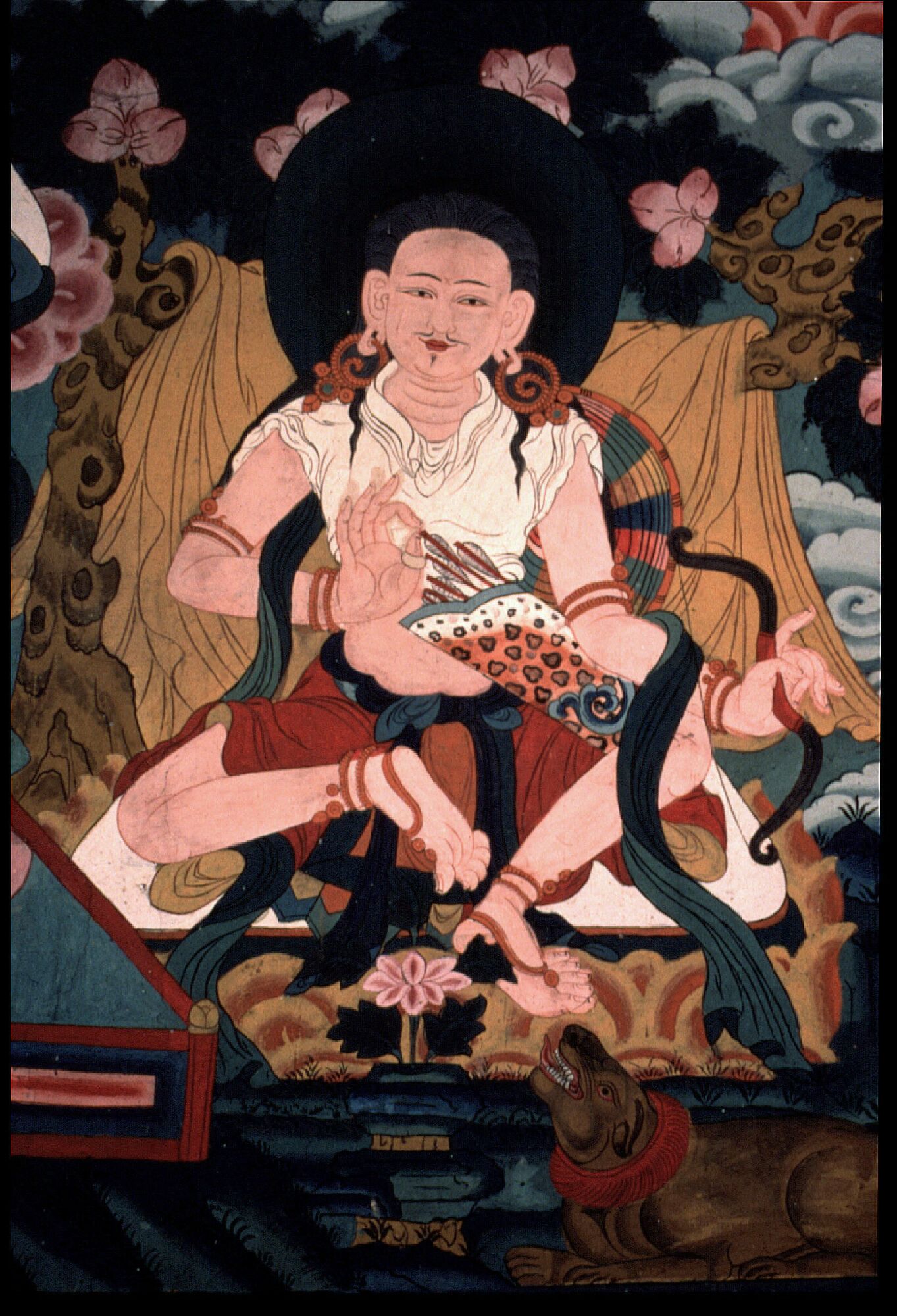
Drukpa Kunley, who lived between 1455 and 1529, was a highly realised and unconventional master from the Drukpa Kagyu school of Tibetan Buddhism. As a child, I heard stories about him. It was only in high school and college that I read stories about him. He was quite different from other saints, lamas and gurus. He lived on the fringes of society. He did not want any institutional affiliations, titles or honours. He preferred to wander alone. When people called him mad, he did not take that as an insult. He owned it with pride. I think that, from his enlightened perspective, he saw the society around him as mad and confused. He was a nonconformist. He did not have any inhibitions. He just went with the flow. But he was not drifting about aimlessly. He was contemplating on impermanence and emptiness.
During his time, his approach to sexuality and alcohol, and also his critique of society, were threatening to puritans with more traditional ideas about what masters should be like. Today his name evokes feelings of respect and devotion in Bhutanese people all over the world. I wanted to make his life more accessible to a wider audience of modern readers, so I have selected 33 stories for this anthology. These are creative retellings that highlight the kind of person he was, the values he stood for, and the teachings that he offered to common people.
What kind of research went into this book?
It took years of extensive research to write this book. I gathered stories about Drukpa Kunley from sources in many different languages such as Choekey, which is the classical Tibetan language used by Buddhist scholars, Dzongkha, the national language of Bhutan, Chocha Ngacha, which is my mother tongue and is spoken by a small number of people in Bhutan; and also in English. I did a close reading of biographies of Drukpa Kunley by Gendün Rinchen, Mipham Tshewang Tenzin, Elizabeth Monson, Chorten Tshering and Keith Dowman. I also read Drukpa Kunley’s four-volume autobiography. A lot of information about him, which is in my book, was collected through folk tales and oral stories. I did not want to limit myself to sources in English because they are translations or secondary sources. Therefore, I spent a lot of time going through the authentic primary sources, which are all classical Tibetan texts because Drukpa Kunley was a Tibetan saint who visited Bhutan.
During your session at the Jaipur Literature Festival in January 2025, you said that, according to Drukpa Kunley, “any conduct that is free of hypocrisy is worth prostrating to”. What did he mean?
Drukpa Kunley was critical of the religious hypocrisy in Buddhist monastic institutions because he felt that the most important thing is to guard your mind. True dharma is not concerned with external display. It is focused on recognizing the Buddha within yourself. He was fearless, non-dogmatic and spontaneous. He did not want to tie himself down to any monastic establishment because he thought that staying in one place would lead to a false sense of permanence, and also burden him with expectations. It would make him compete with others. Monasteries in Tibet were growing rich and becoming power centres during his time. He saw monks preaching detachment but growing attached to power and wealth. This was an obstacle to their spiritual growth. According to Drukpa Kunley, hypocrisy can ruin individuals, organizations, and spiritual pursuits. If there is no trace of it in a person, then he or she is on the path to becoming a Buddha and is worth prostrating to.
Please tell us about the significance of the Chimi Lakhang temple that is associated with Drukpa Kunley? It has become a big draw for pilgrims and devotees.
Yes! Chimi Lakhang was built by Drukpa Kunley’s cousin Ngawang Chogyal. I visited the temple with my friends after completing my college studies. It was a sort of pilgrimage for me. I felt like I was meeting him in person because his presence is strong. Today, Chimi Lakhang is associated more with Drukpa Kunley than his cousin. It has become famous as a fertility temple and a lot of childless couples go there to pray. There are many stories of couples conceiving after getting blessed with a big wooden phallus at the temple.
T
he wooden phallus has become a popular souvenir among foreign tourists who visit Bhutan. Do you think that they understand the spiritual significance behind it?
Drukpa Kunley is believed to have subdued evil spirits and demons with his penis, so Chimi Lakhang is full of wooden phalluses. In Bhutan, phallic symbols and representations are part of normal life. Nobody thinks of them as scandalous or offensive. Seeing huge phalluses painted on walls and doors is quite commonplace but I understand that this is not the case in all countries of the world, so foreign tourists might not know about the spiritual and cultural significance of the wooden phallus. People who read or do some research before travelling might know more. That said, the phallus as a symbol of fertility is not unique to Bhutanese culture and it certainly did not originate from Drukpa Kunley.
Tell us about your writing process. Since Drukpa Kunley is a revered spiritual master, did you petition him for his support every time you sat down to write?
Writing a book about Drukpa Kunley is unlike any other kind of writing. When you write about secular subjects, you can just pick up a pen and start. Working on this book was a lot more meditative and contemplative. I did not pray to him but I read about him with a deep sense of reverence. This attitude helped me a lot because I needed to learn a lot of new things. Visiting temples, prostrating, and saying prayers is part of our daily routine in Bhutan but this book required a lot more. I had to immerse myself in Buddhist philosophy and literature.

What sort of target audience do you have in mind for this book?
I think that this book will appeal to a large cross-section of society. Scholars, journalists, students, and anyone who is interested in Bhutan or Buddhism, would enjoy it.
How would it contribute to or challenge people’s ideas about Bhutan?
Bhutan is often thought of as an ancient, close-minded and superstitious society. This book will show people a different aspect of Bhutan. Drukpa Kunley could be eccentric and outrageous but Bhutanese people accepted him. They said, “If you want to drink, we will offer you chang.” Chang is an alcoholic beverage. They said, “If you want to have sex, we will offer you girls.” Drukpa Kunley is often depicted as a womanizer in writings in English but his spiritual biographies (namthar in Tibetan) show that he chose girls based on their potential for spiritual accomplishments rather than their looks. All the girls who had sexual relationships with him were spiritually inclined, and most of them attained awakening.
At the Jaipur Literature Festival, you shared that you had to cut out parts of the book because you thought they would be too scandalous for contemporary readers. When Drukpa Kunley was fearless, why did you feel the need to sanctify his image?
Some of his views, especially in relation to gender and sexuality, are too extreme. Being mindful of the context is important. I also had to take into consideration the fact that I was working with a big publishing house like HarperCollins. They have their own editing processes. I had to follow them. Some words and lines had to be omitted. I was fine with that.
Chintan Girish Modi is a Mumbai-based journalist who writes about books, art and culture. He can be reached @chintanwriting on Instagram and X.


