
 E-Paper



Rachel Lopez picks her favourite reads of 2025
A novel set aboard a space station and a collection of short fiction set in south India’s Muslim neighbourhoods both make you think deeply about the world and its complexities

 Prefer HTon Google


I read Samantha Harvey’s Orbital in January, which left a high watermark for the year. It is slim at about 140 pages. I thought I’d speed through the 2024 Booker-prize winner over a weekend and be done with it. But here we are, in December, and I’m still trying to unravel parts of it. It is a novel that follows the six inhabitants of the International Space Station through a 24-hour day. Nothing happens. Nobody comes. Nobody goes. And yet, as they catch 16 sunrises and 16 sunsets in 90-minute orbits, something’s always quietly happening. Our crew considers the world from the outside in; they stay trapped in each other’s company; they miss home even though they’re glad to be free of it; and they grapple with the news that one astronaut’s mother has died back on Earth.
Reviewers have fallen back on “lyrical” and “poetic” to describe the space novel. This is not your franchise-ready sci-fi journey packed with tech and adventure. Harvey’s ISS is a place to view the only home we have and think about what we’re doing to it. And, for a person who’s never been to space, it has astonishing details about everyday life in zero gravity. Orbital does what fiction is supposed to do – make you think about the real world a little more deeply.
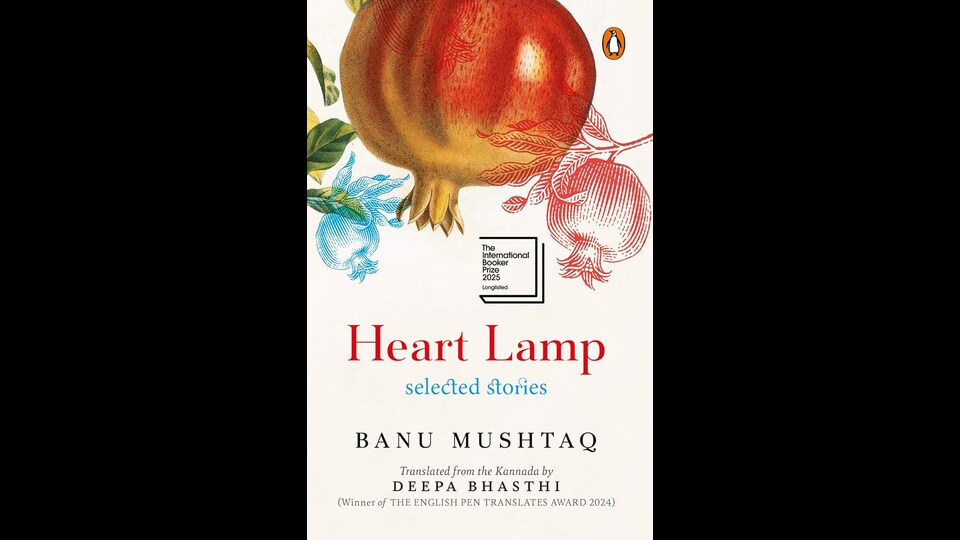
The other book I loved – Heart Lamp by Banu Mushtaq – is set firmly on Earth, in south India’s Muslim neighbourhoods. It tricked me with its length as well. It’s a little more than 200 pages, with 12 short stories written between 1990 and 2023 (and translated from Kannada by Deepa Bhasthi). But what a world it packs in!

Mushtaq’s tales cover the power, powerlessness and everyday rebellion of women. There’s the abandoned wife with a dangerously sick child, looking for justice from men who protect other men. There’s the insecure husband who forces his pregnant wife into high-heeled shoes. There’s the man, caught between his wife and his mother, in a house that’s split right down the middle, creating three victims of the patriarchy. There’s one story of mass circumcision, which was surprisingly less horrifying than the others. One is about a husband who showers love and praise on his wife, only to replace her weeks after she dies in childbirth.
Each story rages quietly, like women in India do every day. You can tell how closely Mushtaq has observed the women and the communities she writes about. What you can’t tell is which story was written in 1990 and which one was crafted two years ago. That’s how little things have changed in three decades.


