E-Paper



Temple run - Brick edition: Check out Bengal’s forgotten terracotta treasures

 Prefer HTon Google


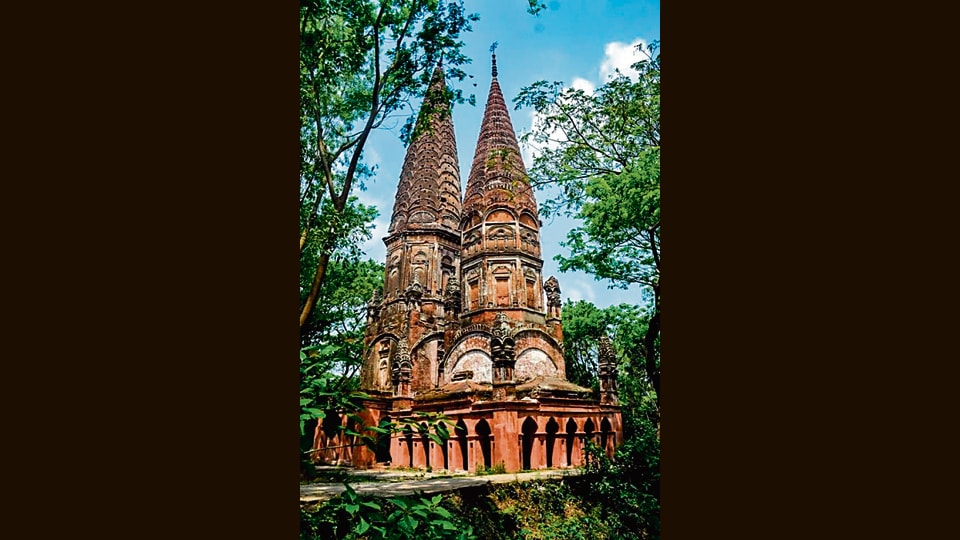
These monuments are ancient, vulnerable and unique. A new book traces their intriguing architecture – turrets, spires, domes – and their evocative stories.
Scattered across rural West Bengal are small monuments, mainly temples, mosques and tombs, made of baked earth.
They are unusual for a number of reasons.
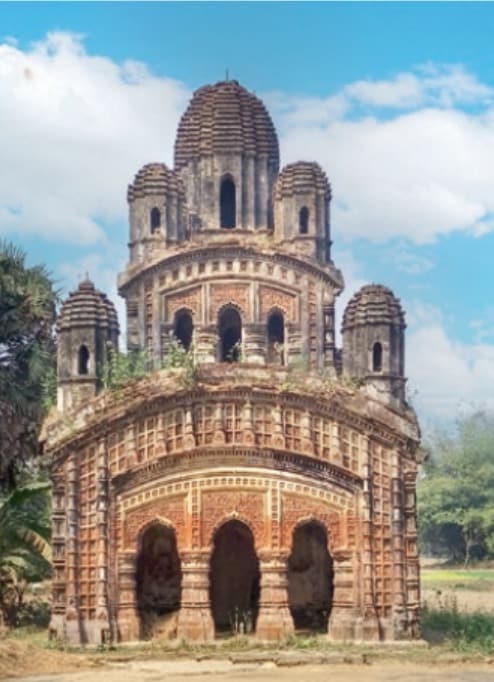
First, they need sustained care, because plants, moss and lichen flourish in their roofs and walls. Second, they feature intricate and unusual architecture: often, a combination of domes, arches and turrets inspired by Persia; curved cornices and ornamentation; and often European motifs featuring kings and queens, poets and playwrights.
Most were built between the 1400s and 1900s. But here’s the third interesting thing about them: while some were commissioned by kings and zamindars, others were commissioned by laypeople — merchants, weavers, priests, doctors, lawyers, farmers, revenue collectors — and built so expertly by secretive guilds of master craftsmen that they have stood for centuries.
Researchers estimate there were once thousands of these structures. Fewer than 1,000 survive, and less than half of these (just 400, by some accounts) are maintained well enough to be considered intact.
In a country of entire cityscapes of ruins dating back thousands of years, these treasures got little attention, even from the excavating British.
“And yet their architecture and sculpture are unlike anything I have seen before,” says Amit Guha, an independent researcher of Indian architecture, art, and iconography (who is also vice-president with a software company in London).
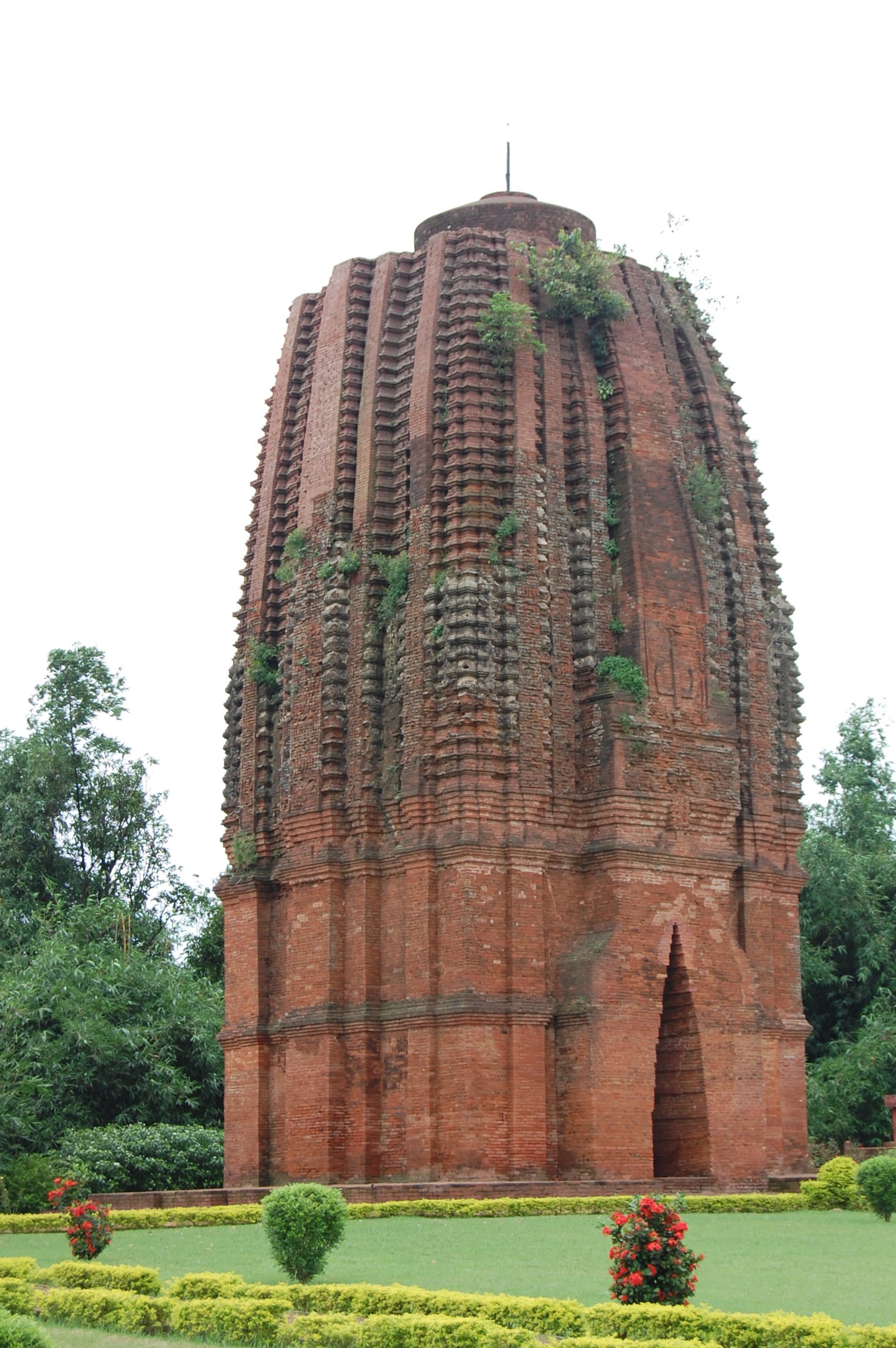
His book, Tapestries in Brick (June 2026), contains photographs and accounts from 20 years of being besotted by these structures. He has visited and documented more than 200 across West Bengal and Bangladesh.
“It comes down to how we view history,” Guha says. “We have been conditioned to believe that for architecture to be important, it needs to be towering and grand. But these are precious tokens of community devotion, containing in their exquisite terracotta panels, snapshots of pre-modern life.”
Excerpts from an interview.
* What surprised you most as you studied these structures, little-known outside Bengal?
Well, long before modern architectural “fusion” became a trend, 17th-century Bengali sutradhars were working wonders in these temples here.
By the 18th century, they were creating towers in baked earth, culminating in the impressive 25-spired temples of the Bardhaman Rajas. By the 19th century, unusual shrines such as the twin temples of Sonarang (15 metres high; in present-day Bangladesh) began to look like they were inspired by European churches. The Chandranath Shiva Temple in Hetampur in south Bengal has likenesses of Queen Victoria, Prince Albert, and what look like Byron and Shakespeare, carved into the brick.
How did they make their way into this visual vocabulary? Why were they added to a temple? These remain some of the many intriguing questions these buildings pose.
* What do we know about the artisans that did this work?
Records indicate that, once patronage became dispersed in the 18th century, the sutradhars (literally, string-holders) migrated out from zamindari strongholds such as Bishnupur and set up private guilds in villages such as Daspur in Medinipur district.
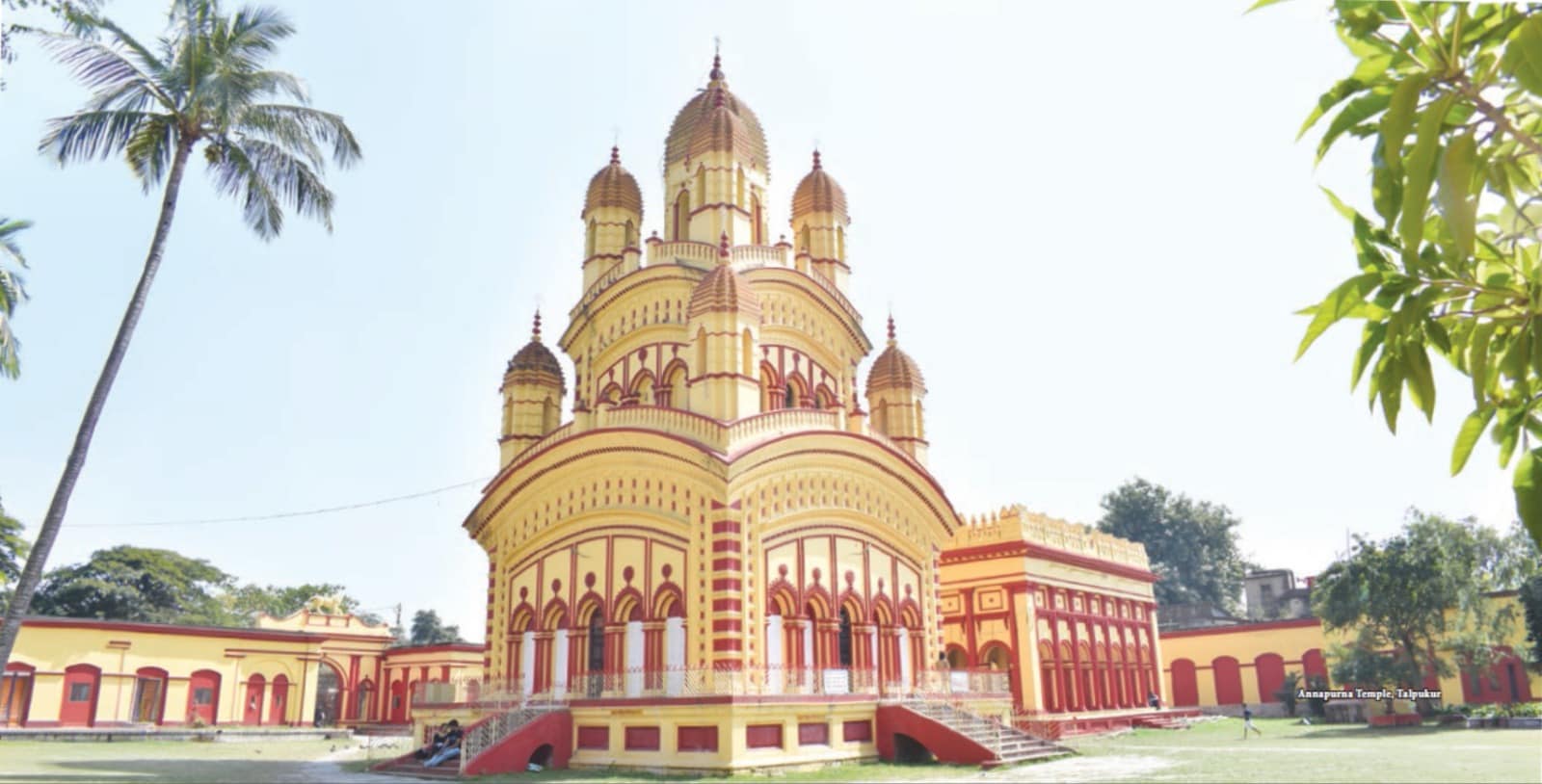
Around this time, we see the names of sutradhars and their villages appearing in temple inscriptions, as a way to advertise their services.
The guilds were highly secretive and did not document their building techniques. Researchers are still trying to uncover exactly how these bricks were moulded, sculpted, fired and treated, to ensure they did not deteriorate in Bengal’s difficult climate.
* Why was terracotta used so widely in Bengal?
Bengal is essentially a giant river basin, without much natural stone. To build something enduring, one had to learn to bake the mud under one’s feet. Incredibly, what should have been fragile brick structures have survived hundreds of years.
With the decline of Bengal’s textile trade in the mid-19th century, patronage of terracotta architecture began to dwindle. Sutradhar guilds broken up and dispersed. And the knowledge of this brick-making, sculpting, woodcarving, metalcraft and structural engineering was lost.
* Isn’t it strange that so many outside Bengal have never heard of these temples?
When the British first started exploring and documenting India’s monuments, they were biased towards antiquity. In some ways, those biases have continued to shape our approach to heritage.
Most of the terracotta monuments of Bengal were considered too recent to be studied seriously or conserved. They began to be documented, surveyed and catalogued only from the 1960s on. Meanwhile, they were slowly disappearing.
Terracotta brick may have weathered four centuries of monsoons, but it isn’t immune to neglect, pollution or well-intentioned but disastrous modern plastering.
* That sounds awful.
It is. Brick structures need regular maintenance since they are affected by lichen, damp, pollution, and salt deposits. So the biggest threat they face is neglect. But the threat of a botched renovation is very real too.
Many of these temples have been painted over or paved with cement and glazed tile.
We know that sutradhars left detailed instructions for patrons on how to maintain these structures. Records show that they returned regularly for repair work. Major restorations were documented, in additional inscription panels.
Now, the only organisations with the expertise and resources to scientifically conserve and maintain these monuments at scale are the government archaeological departments in India and Bangladesh. Given the scale of conservation needed, sustainable efforts have to also involve the communities that live around these temples.
* Would upkeep be complicated, or expensive?
I have worked with village volunteer groups led by conservation experts in Ghoshpur, and the process is not as complex as one would think. Simple, regular interventions such as an annual visit to clear away plants and treat surfaces with the right chemicals can go a long way.
Tourism can be a powerful catalyst for conservation too. One of the reasons I wrote this book was to encourage more people to visit these sites. The first step towards conservation is, after all, awareness.
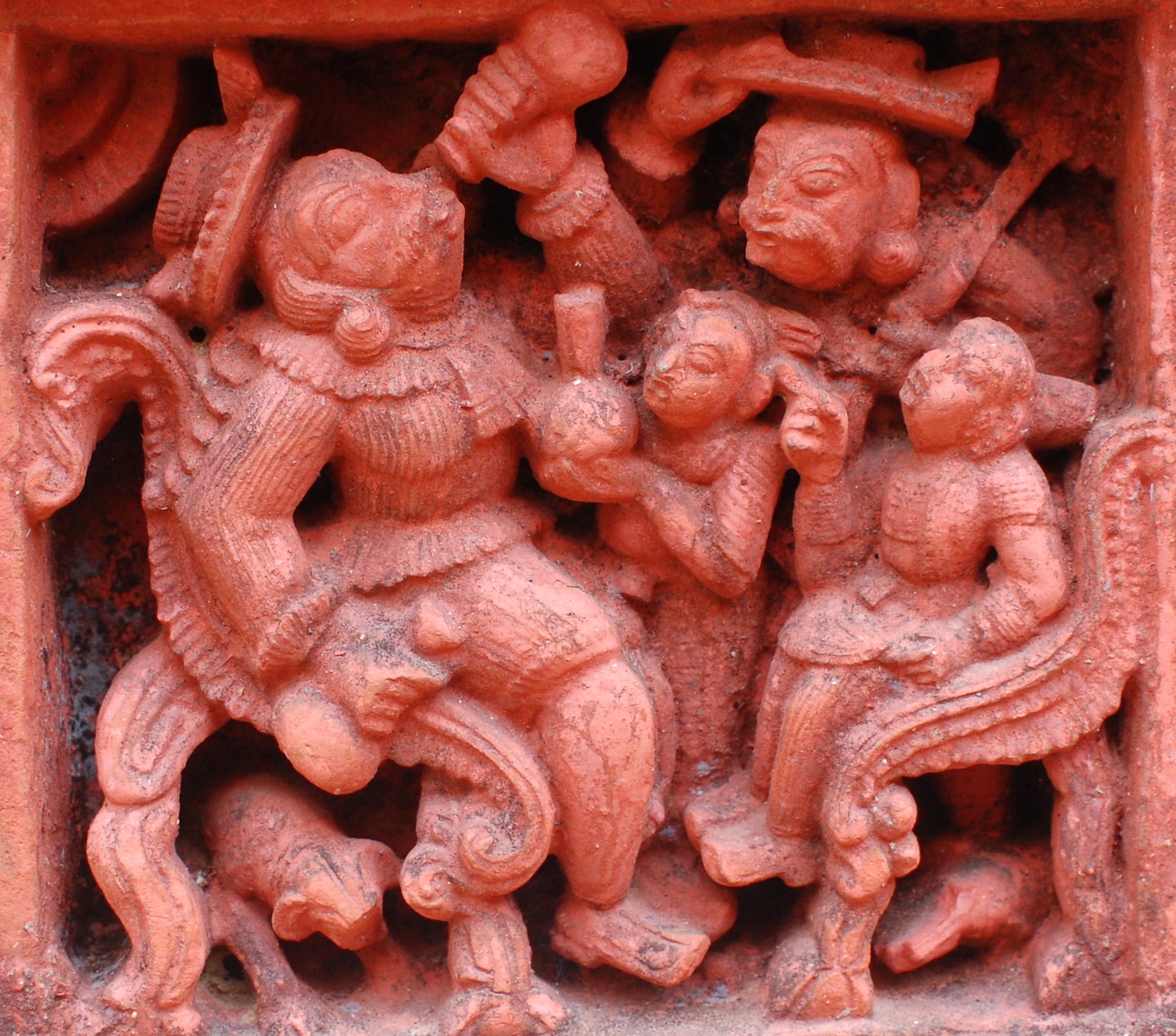
* You also write of incredible stories hidden in the terracotta panels…
The terracotta panels feel like the 18th-century equivalent of a social media feed! There are light-hearted snapshots here of the world as it was then: soldiers saluting a zamindar; European women with their suitors, galleons, debauched Europeans, jesters, acrobats, zamindars’ courts and hunting processions. All sitting alongside scenes from mythology.
When a small, forgotten rural temple crumbles, we aren’t just losing a heap of old bricks. We are losing stories about pre-modern life. These temples remind us that heritage doesn’t have to be grand to be fascinating.