
 E-Paper



Before You Buy: 100% fruit juice to ‘fruit-based drink’, what the labels, ingredients, and fruit content actually mean

 Prefer HTon Google


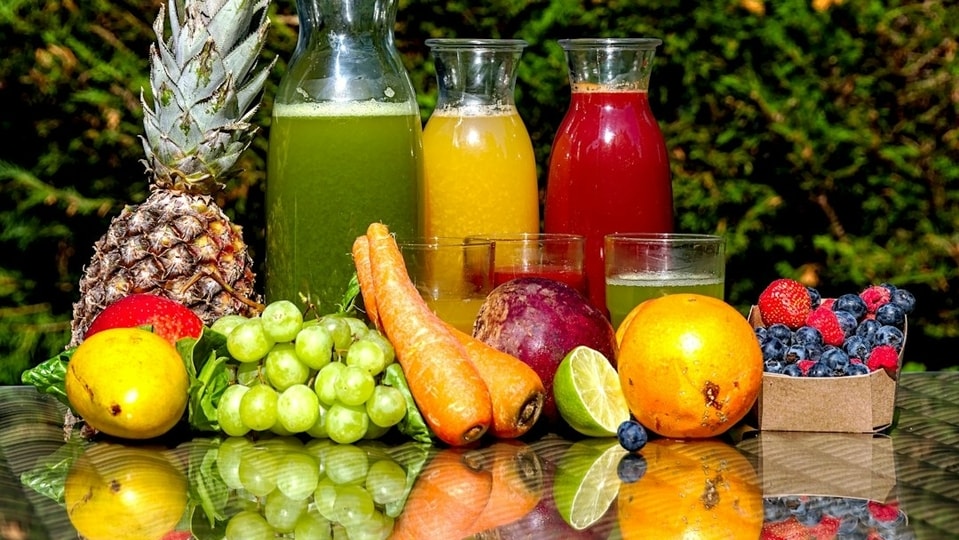
Buying packaged fruit juice? Here's how to decode labels, understand fruit content and make an informed choice.
When buying packaged fruit beverages, consumers often assume products labelled as fruit juice, fruit drinks, or 100% juice offer similar nutritional benefits. However, these products can differ considerably in their fruit content, sugar composition and overall nutritional value. Understanding food labels is therefore essential before you buy.
In this edition of HT Lifestyle’s series, ‘Before You Buy,’ we spoke to Dr Eileen Canday, Head of the Department of Nutrition and Dietetics at Sir HN Reliance Foundation Hospital, Mumbai, to understand how to tell whether you’re buying 100% fruit juice or just a fruit drink by reading the packaging labels.
Also read | Before you buy: From ingredients to skin type, here’s what to check before choosing a skincare serum
What does 100% juice mean?
According to Dr Canday, a product labelled '100% juice' generally means that it contains fruit juice without additional water or added sugar, although the naturally occurring sugars in the fruit remain present. “While this may sound like a healthier alternative, it is important to remember that fruit juice is still a concentrated source of natural sugars and contains considerably less fibre than whole fruit,” highlighted Dr Canday.
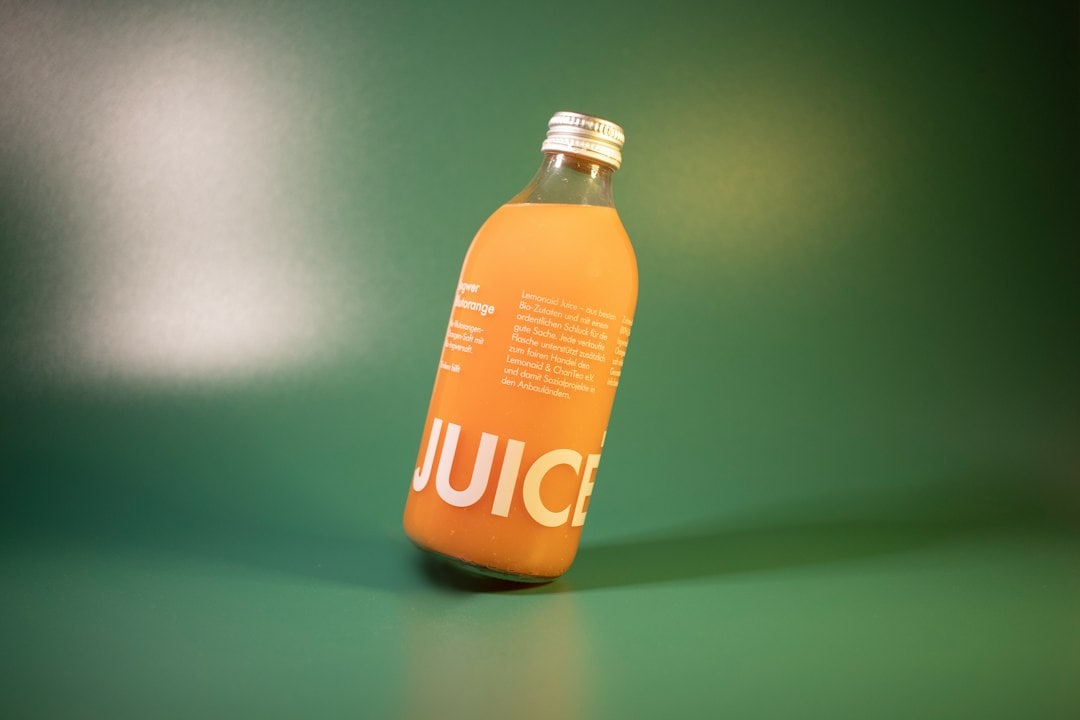
During the juicing process, much of the fibre present in the whole fruit is removed. Fibre plays an important role in digestion, satiety and regulating the absorption of sugar. Therefore, consuming whole fruits is generally a better option than drinking fruit juice.
What do fruit drinks, nectar, and fruit beverages stand for?
Products labelled as 'fruit drinks', 'nectar' or 'fruit beverages' may contain only around 10–25% fruit content, depending on the product and applicable category. The remaining composition may include water, added sugar, sugar syrups, flavours and other ingredients. This means that the fruit content can be considerably lower than what consumers might expect from the packaging or product name.
What should you check before purchasing?
According to Dr Canday, one of the first things consumers should check is the percentage of actual fruit content. This helps establish whether the product contains predominantly fruit juice or is mainly a flavoured beverage. The ingredient list should also be examined carefully. Ingredients such as sugar, sugar syrup and other sweetening agents should be noted, particularly when they appear among the first ingredients.
The nutritional information panel is equally important. Consumers should compare the total sugar content and serving size rather than relying only on claims such as 'natural', 'fruit-based' or 'no added preservatives'. It is also important to understand that even a product with no added sugar can contain naturally occurring sugars from fruit.
“For most individuals, eating whole fruit is a better nutritional choice than consuming fruit juice.
Whole fruits provide fibre, vitamins, minerals and other beneficial plant compounds, while also helping with satiety,” said Dr Canday. Drinking juice can make it easier to consume a larger quantity of fruit sugars without experiencing the same fullness.
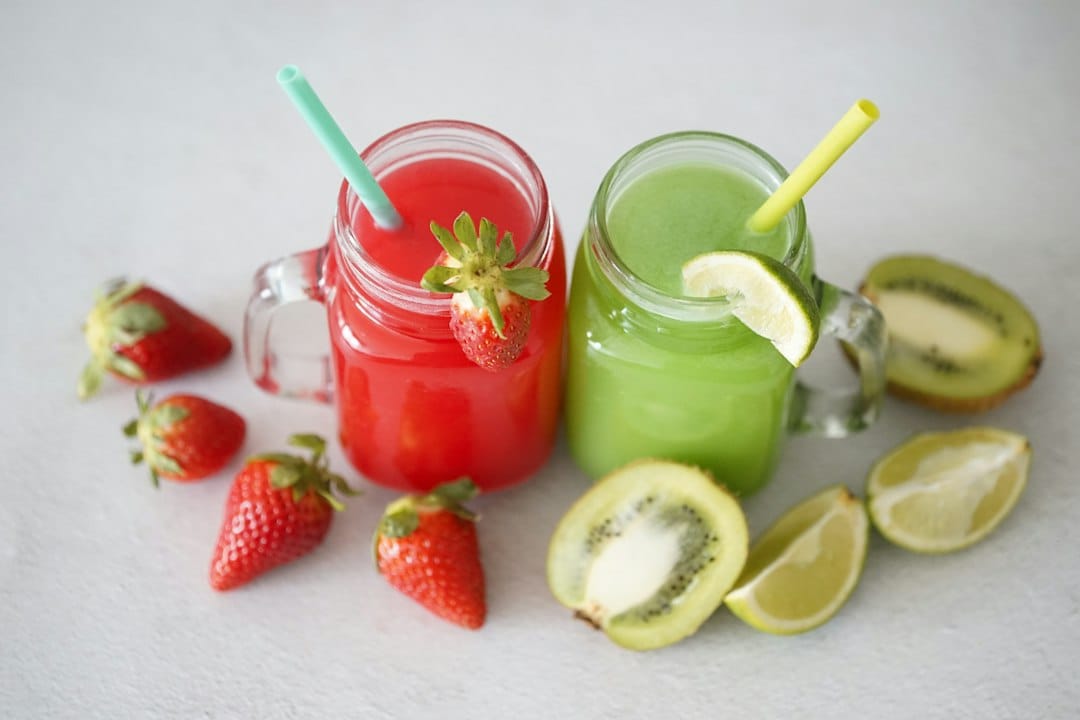
If someone still wishes to consume fruit juice, the quantity should be limited to approximately 150–200 ml. Portion control is particularly important for individuals who need to monitor their sugar intake.
Another important point is that consumers should not assume that all packaged fruit beverages have the same composition. Some fruit drinks may list water as their first ingredient, followed by sugar and added fruit flavouring, indicating that the product is primarily a beverage rather than actual fruit juice. Reading the ingredient list and nutritional values together can help consumers understand what they are buying.
Note to readers: This article is for informational purposes only and not a substitute for professional medical advice. Always seek the advice of your doctor with any questions about a medical condition.


Catch your daily dose of Fashion, Taylor Swift, Health, Festivals, Travel, Relationship, Recipe and all the other Latest Lifestyle News on Hindustan Times Website and APPs.


