
 E-Paper



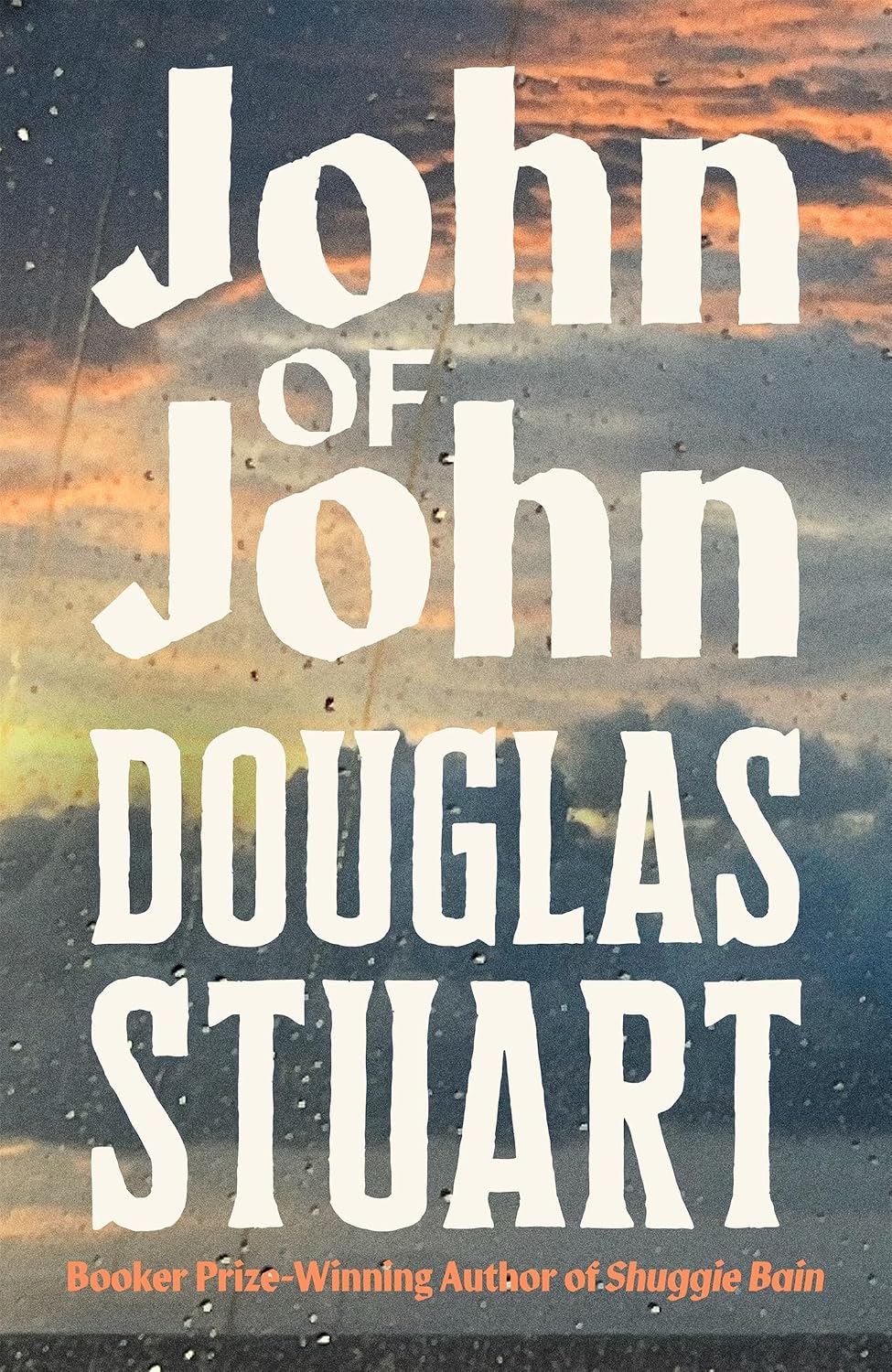
Review: John of John by Douglas Stuart
Set in the Nineties on an island in the Outer Hebrides, this Booker-shortlisted novel leaves readers with a sense of optimism about navigating rigid circumstances and entanglements

 Prefer HTon Google


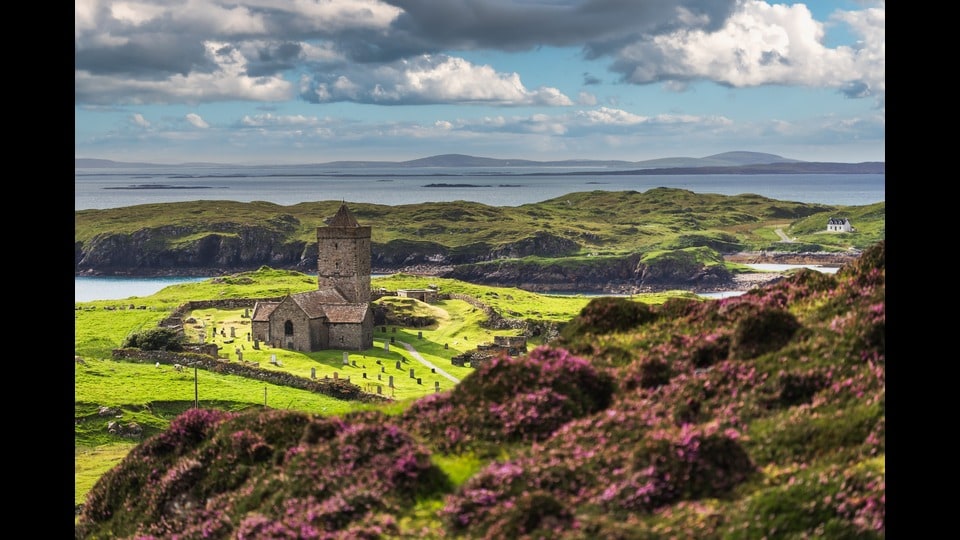
Douglas Stuart’s new novel John of John is about men who cannot seem to talk to each other — a father and son whose “conversation was always censored, missing the things they couldn’t talk about,” and old lovers who cannot speak of love. It’s set in the rugged Isle of Harris in the Outer Hebrides, a chain of over a hundred islands off the west coast of Scotland. And these men — father, son, lover, friend — are “islands within islands… within islands, within islands.”
It’s set in the Nineties but that sense of isolation reminded me of the pandemic. It can be frustrating reading about loneliness, or rather, aloneness — but this is a highly enjoyable novel to read, the setting feels sometimes otherworldly, the descriptions are vivid, characters are complex, and there are some very funny moments. But most importantly, it is that Stuart, by the end of the novel, detangles the complications of his characters’ lives and minds — and you’re left with a sense of optimism about navigating rigid circumstances and entanglements. The world needs more literary fiction that leaves you with hope.
The novel opens with 22-year-old Cal on the phone with his father. John is reading from the Bible in Gaelic. And Cal, from a phone booth in the Meadows in Edinburgh, is watching rugby players stretching in the park — their shorts becoming sheer, clinging to their haunches. The prodigal son, broke and adrift in Edinburgh, unable to get a job after textile school, is asked to return home because his grandmother is ill (she is not).
In this novel about men, Ella — the grandmother — is the shining light. She’s perceptive, outspoken, lyrical as a sailor and “somewhere deep inside… still an eight-year-old girl.” Her daughter left John when Cal was nine or 10, and they’ve all been reeling from that fracture in the family. Ella stayed behind to look after Cal — while his mum eventually married John’s brother, had children and built a successful business making soap. It all sounds like a soap opera, but it’s all laid out so simply it doesn’t feel dramatic at all. Like life, it is how it is.
Cal returns home with long hair, in torn jeans, buried in credit card debt and terribly lonely, to his father and grandmother and their dysfunction in their croft, as small tenant farms are called in the Scottish highlands and islands. John is a tweed weaver, a sheep farmer and deacon at the dwindling local parish where people “policed themselves through shame and slights and petty judgements.”
So fiercely Presbyterian is their congregation that they fasten the children’s swings on Sunday with “Sabbath chains.” John believes that to ignore the fourth commandment — to observe the day of rest — “was to do away with the word of god, then you might as well ignore the sixth and kill whomever you pleased.”
Cal is convinced his father “didn’t believe gay people existed.” (He is wrong.) What men know and what men admit to knowing are different things, Ella says.
Cal does not know that his father too is gay. And John is too careful, too filled with self-loathing and piety and arrogance to dignify even implicitly his secret relationship with Innes, a gentle, patient sheep farmer with family drama of his own.
The thing that could have brought father and son closer does not exist and Cal tries to find other lonely men. An old friend he used to hook up with no longer wishes to speak to him — for being away too long, for maybe getting airs, or maybe because they’re unable to talk about what happened. He then corresponds with a man who had put out a personal ad in the newspaper and when he asks for a description of it, Cal — he attended art school after all — decides to knit around his erection and “finished the tip with a tiny inverted seam.” He was so proud of his refined handiwork, “he almost wanted to show his grandmother.” (The potential lover is not persuaded.)
There’s plenty of pathos here but the writing is so joyous, so alive that this desolate barren place and dour people become almost mesmerizing. In Cal’s mother’s kitchen is “an abalone ashtray heaped with her burnt-out thoughts.” There are “deer on the moor, they shone like pennies in the broken sunlight.” Clouds snag and sink. When it rains incessantly — it is “the type of rain that separated them from the world.”
And then there is the language.
The Isle of Harris is the last stronghold of Scottish Gaelic, and it’s one in which John and Cal speak to one another, especially when Ella — who is from Glasgow and speaks only English, and often such delicious profanity-laced English — is around. Gaelic is peppered through the text, as are some very delightful Scottish words — a smirr is a misty drizzle. And so much here is the language of the unspoken. Cal and John have a strained relationship and this novel captures the quiet resentments of the father-son dynamic — John’s language turns to violence. Innes and his brother do not speak to or acknowledge one another and so visitors must hold parallel conversations with them in the same room.
And John and Innes — a tender sometimes exasperating love story — have been together since they were teenagers. And yet, sex is preceded by a performance of pretending to do something else. It has to be carefully orchestrated to avoid prying eyes and questions — understandable — but even in privacy, Innes must ask John for help with something upstairs first. A whole elaborate scene must be set up to manage the guilt and the shame. And underneath it all, under the social complications, is the push-pull of power in relationships — “It went like this, loving John Macleod. You did it against all your better judgement, and in that exact moment he starved the embers into submission, he had the skill to blow on them gently and ignite them again.”

The novel is so cut off from the world and exists in a time when the world was just starting to become a connected place. A reference to an email appears only at the end of the novel, and the reader is thrown off by it. It’s even more startling when John is told, “Youse are all over the wireless, Johnnie. All over the telly. I keep hearing how fabulous these gay men are. I’ve known you your entire life and I’ve yet to see any evidence of it.”
Stuart spent weeks in Harris researching, interviewing the islanders clearly in ethnographic detail. The parish, the windswept crofts, the food, the sheep, the weaving of the famous Harris tweed, weavers’ codes, there’s all of it along with general details of community life: alcohol, pregnancies, a funeral.
Stuart’s first novel, Shuggie Bain (2020), which won the Booker Prize that year, was about a boy growing up with his alcoholic mother in working class Glasgow in the 1980s. That was a semi-autobiographical novel, but this too felt so authentic I wondered if it was in some way an insider’s account. It isn’t, it’s just literary genius, it’s the kind of novel that feels impossible to describe well enough.
Saudamini Jain is an independent journalist. She lives in New Delhi.


