
 E-Paper



Saad Mohseni: “The Taliban is not a monolithic movement”
The co-founder and chairman of the Moby Group, Afghanistan’s largest private media company, on his book, Radio Free Afghanistan, the representation of women in the country’s media, and dealing with the new Taliban government post the American departure in 2021

 Prefer HTon Google


How did you establish the Moby Group (launched in 2002), which became the largest media company in Afghanistan, after returning from Australia where you had a successful banking career?
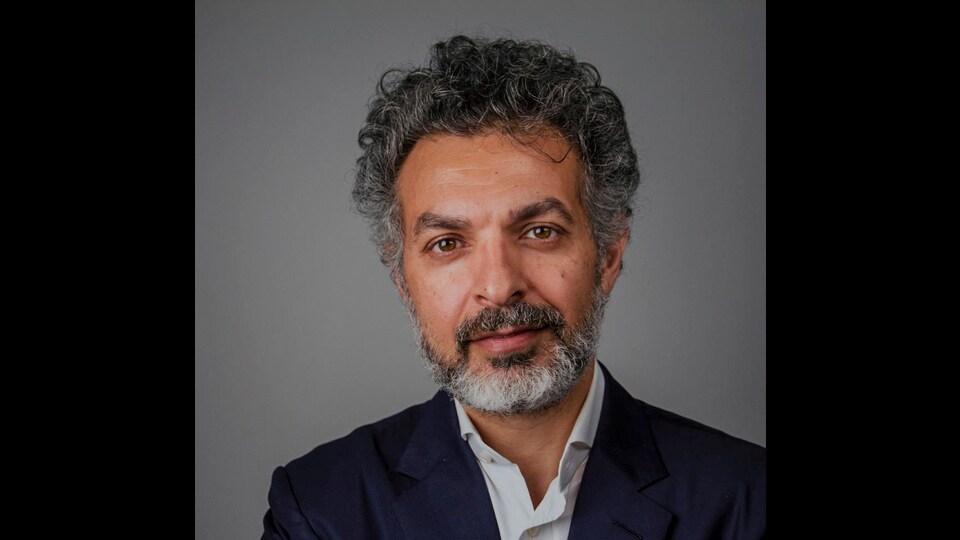
As recounted in Radio Free Afghanistan, my siblings and I returned to Kabul, looking for a way to stay engaged in Afghanistan. The most obvious path was to invest in a business that would create jobs and leverage development opportunities. The idea of a media venture was actually suggested by the Minister of Information and Culture, and we thought, why not? We never anticipated that it would take off as it did — or that it would pull us all in. We certainly never imagined that we would end up moving back to Afghanistan full-time.
What were the challenges of establishing an independent media platform in a country marred by decades long conflict?
Our challenges included capacity — finding enough qualified journalists and media professionals — along with technical and regulatory obstacles, as the government was not equipped to handle an independent media outlet. Culturally, it took time for our listeners to adjust. Security was also a concern, as the country was still far from safe. Additionally, infrastructure was a major challenge, with a lack of roads, electricity, and basic services.
How difficult was it to remain committed to independent journalism over the years while negotiating different regimes including pressures from the Taliban, increased censorship, scrutiny, raids etc.
It has always been challenging to manage the governing bodies and powerful figures in Kabul and beyond. Afghanistan is a complex country with multiple power centres, both before and after the Taliban era. Although the current government is less tolerant of free media compared to the Ghani and Karzai administrations, some within the leadership recognize the importance of this sector. However, there are also many who can barely disguise their disdain for journalists and media outlets.
The current environment is not only more restrictive but also uncertain, given that there are no safety nets for journalists and media outlets. There are no laws to protect our rights, and with the Ministry of Vice and Virtue constantly watching us and introducing highly regressive laws, we are far from certain if we will be allowed to continue operating.
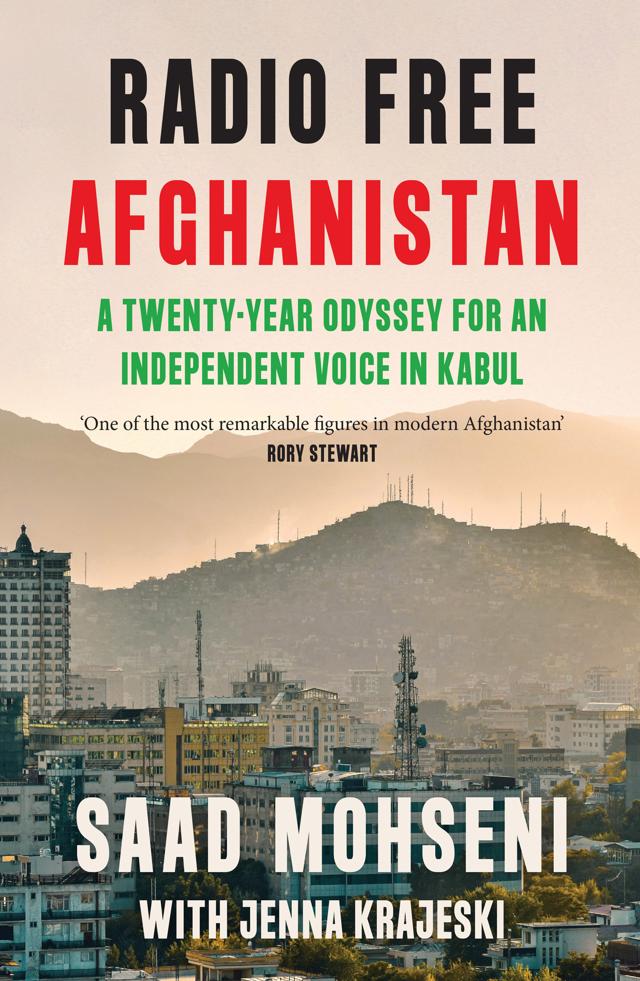
How are you dealing with the new Taliban government post 2021 following the American departure, especially when it comes to retaining an independent voice in the media? Does the Taliban realise the importance of an independent media which can also disseminate their policies and perspectives among people both within and outside Afghanistan?
The Taliban is not a monolithic movement, and there is a diverse range of views on independent media. While some members understand and support the role of journalism, many others disapprove of the very idea of entertainment or of individuals and institutions challenging the ruling authorities.
The leadership appears intent on restricting the space in which we operate. Only time will tell how restrictive this space will ultimately become.
Yes, many appreciate the importance of media, as it provides them with a means to amplify their efforts across the country. They also recognise the value of keeping the general public informed, educated, and entertained. However, many others remain strongly opposed to this idea.
How is the Moby Group, which grew from a small radio station into an influential television network, hoping to transform and contribute to the changing media landscape in Afghanistan?
We established Arman FM in 2003 with no clear intention of creating a media group. Arman’s success then prompted us to launch TOLO TV in 2004, followed by other networks, and by 2007, we were ready to expand beyond Afghanistan. The growth was quite organic.
We have continually refined and expanded our business, never content to sit back. This philosophy remains at the core of what we do.
You write about the significant role played by women in the media in Afghanistan. How were women journalists supported by Moby Group?
Women represent over half of Afghanistan’s population. How could we ever ignore them? More importantly, audiences were demanding female presenters, journalists, and more. We were compelled to adopt a more proactive hiring policy regarding female employees, simply because they had historically faced significant obstacles in entering the workforce.
How do you see the role of the international community in supporting and sustaining an independent journalism and media in Afghanistan without compromising on the autonomy while respecting the Afghan cultural and religious sensibilities?
We continue to face many challenges, including capacity building, financial support, and general assistance in our dealings with the de facto authorities. Our international partners and friend need to engage more closely with Afghan media to better understand our needs; only then will they be able to assess how they can be of help.
In a recent interview with NPR, you said that the Afghan story from 2001 till 2021, even till today, is a “very uplifting one, because as much as the government was corrupt and inept and predatory, the people of Afghanistan really changed in ways we could not imagine in those days.” How important is the role of indigenous independent media in reflecting this change and in reporting positive stories about the people of Afghanistan?
Afghan media best reflects the general Afghan population — its aspirations, needs, and mindset. It is misguided to judge 42 million people based solely on the performance of its governments. Afghanistan’s population has doubled since 2001, with the majority of Afghans born after the Taliban’s fall in 2001. With a median age of 18 — the youngest outside Sub-Saharan Africa — this country has immense potential with the right leadership.
With relatively high literacy rates, substantial urbanisation (close to 50%), and significantly improved metrics like life expectancy and reduced child mortality, this is a very different country from the one I first saw in 2002. And with the progress in women’s empowerment and a growing focus on work and education, the aspirations of the Afghan people are here to stay ie the genie is out of the bottle. It would be wrong to assume that the Afghan nation can be forced to go back.
Majid Maqbool is an independent journalist based in Kashmir.


