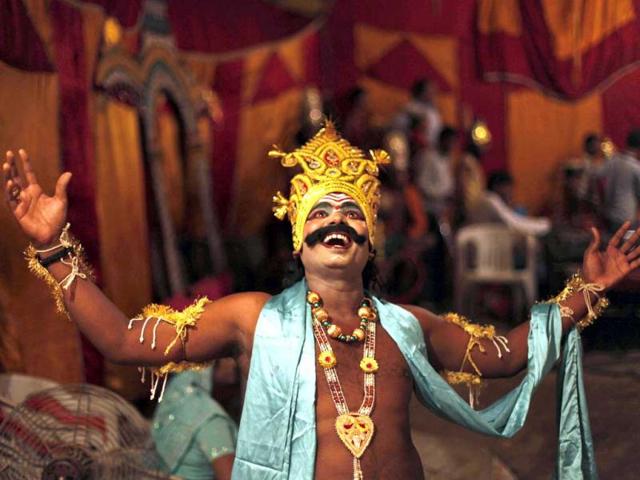
Anand Neelakantan may seem boringly intellectual; he’s anything but. It takes only a few minutes for his stiff demeanour to melt away and for the mythology buff to turn into a warm storytelling uncle. And he has a story about everything – often the opposite of the one you expect. There are twists in his every tale. It’s those twists that made his debut, Asura: Tale Of The Vanquished, 2012’s surprise bestseller. Neelakantan got Ravana to steal Rama’s thunder as the hero of the Ramayana. He dismantled long-cherished beliefs of good and evil, questioning the idea of victory and defeat. Asura sold 1,30,000 copies, but Neelakantan is far from finished. Now, Ajaya: Roll Of The Dice, takes on the Mahabharata, this time focusing on the ‘unconquerable’ Kauravas. What makes the losing side a winner on bookshelves? We decided to find out. Indian epics have been getting spiced up recently. What do you think accounts for their appeal?
Epics became epics because they were constantly retold. Every era adds their own spice and nuance to them. Epics that don’t evolve mark a dead civilisation. We should enjoy the vibrancy of our culture and whatever is passed and added on across the generations.
Critics believe that retelling tales is now clichéd. How different are your books?Asura is not only Ravana’s story but also the story of a common man called Bhadra. It is crafted to offer an experience from an unconventional perspective – that of Bhadra, to make the reader know how it would have felt to live in the era of Rama and Ravana. On the other hand, while the Mahabharata is the story of the victorious Pandavas, Ajaya is the narrative of the Kauravas. I have also presented alternative viewpoints like those of Eklavya or Karna. They explore the lesser-known stories of the Mahabharata.
{{/usCountry}}Critics believe that retelling tales is now clichéd. How different are your books?Asura is not only Ravana’s story but also the story of a common man called Bhadra. It is crafted to offer an experience from an unconventional perspective – that of Bhadra, to make the reader know how it would have felt to live in the era of Rama and Ravana. On the other hand, while the Mahabharata is the story of the victorious Pandavas, Ajaya is the narrative of the Kauravas. I have also presented alternative viewpoints like those of Eklavya or Karna. They explore the lesser-known stories of the Mahabharata.
{{/usCountry}}Most authors make a circus of book launches. Yours released without a fuss. Why? I don’t think flashy launches help sales. They satisfy your ego and help you sell 100-200 books on that particular day. A book is sold only through word-of-mouth marketing. It worked for Asura. Also, I live in a small town called Belgaum, in Karnataka. I am rather shy of interviews. I only do them because my publishers find it necessary.
Breaking Bad and the upcoming films Maleficent, Venom and Sinister Six all focus on the villain. It’s a good time to be the bad guy...It’s all about perspective. My good guy can be your bad guy and vice versa. But no writer writes keeping the trend in mind; it’s purely a creative pursuit. When I started writing Asura six years ago, there were no takers for it. But bat an eyelid and trends change; only good content prevails.Ravana in Asura and Kauravas in Ajaya; whose story is next? After the second part of Ajaya, which comes out next year, I am planning to write historical fiction. It will cover the reign of Chandragupta Maurya. Chanakya will become the anti-hero and the original anti-hero Rakshasa will become the hero.
From HT Brunch, January 19
Follow us on twitter.com/HTBrunchConnect with us on facebook.com/hindustantimesbrunch