Alibaba Group has raised HK80$ (10.2 billion) through a new share sale in Hong Kong. The money will be used entirely to expand the company’s AI infrastructure, Alibaba said. The deal closed on Sunday and is the largest follow-on share offering in Hong Kong. It is also Hong Kong’s biggest share sale since Prosus sold $14.7 billion worth of Tencent shares in 2021.
Alibaba sold 710 million new shares
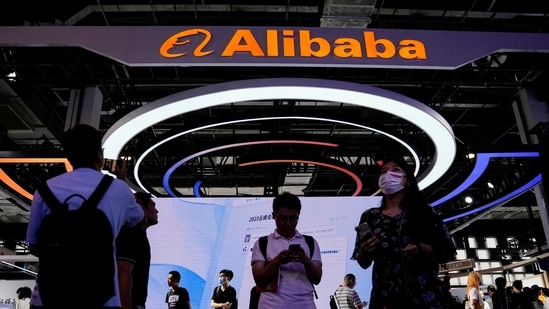
The company sold 710 million shares at HK$112.70 each. The price was 3.6% lower than Alibaba’s US-listed share price at Friday’s close. The deal attracted strong demand from institutional investors. Demand was around three times the number of shares available, people familiar with the deal told Bloomberg.
Alibaba stock crashed 8.5%
Alibaba shares fell 8.5% in Hong Kong on Monday. This was the company’s biggest one-day fall since early 2025. The sharp drop came after investors reacted to the large capital raise for AI spending. Investors are increasingly watching whether Alibaba can turn its huge AI investments into future profits.
Alibaba’s top bosses bought shares after the fall
Alibaba Chairman Joseph Tsai bought about HK81million(10.4 million) worth of shares on Monday, according to company disclosure filings. Chief Executive Officer Eddie Wu bought around HK39million(5 million) worth of shares. Together, the two executives purchased roughly HK120million(15.3 million) worth of Alibaba stock. Despite the purchases, the two executives together own less than 2% of Alibaba, according to Bloomberg.
{{/usCountry}}Alibaba Chairman Joseph Tsai bought about HK81million(10.4 million) worth of shares on Monday, according to company disclosure filings. Chief Executive Officer Eddie Wu bought around HK39million(5 million) worth of shares. Together, the two executives purchased roughly HK120million(15.3 million) worth of Alibaba stock. Despite the purchases, the two executives together own less than 2% of Alibaba, according to Bloomberg.
{{/usCountry}}Alibaba said the new shares were offered only to non-US persons through offshore transactions. The company plans to use all net proceeds from the deal for its AI strategy. The focus will be on building the infrastructure needed to support its AI systems and services.
Big banks handled the deal
China International Capital Corp., HSBC, Morgan Stanley and UBS arranged the share sale. Alibaba has also agreed that it will not sell additional shares for 90 days under the terms of the deal.
Alibaba plans to spend $56.5 billion on AI
The latest fundraise is part of Alibaba’s much bigger AI push. Alibaba has pledged to invest more than 380 billion yuan ($56.5 billion) in AI over three years. The spending will cover areas including AI chips, data centres and large language models. Alibaba is trying to compete with major AI players in China and around the world.
Alibaba runs the Qwen family of AI models, which Bloomberg described as the world’s most popular AI model family by downloads. The company also operates the Qwen App, which provides AI-powered services such as shopping, navigation and payments. Bloomberg previously reported that Alibaba’s Qwen models had crossed 3 billion downloads, highlighting their growing reach.
Alibaba is selling other assets to fund its expansion
The company has been selling businesses and other non-core assets as it focuses more heavily on AI. Alibaba agreed to sell its gaming unit Lingxi Games to Trustar Capital for at least $1.5 billion. In late 2024, Alibaba also sold stakes in Sun Art and department-store operator Intime for a combined $2.6 billion.
Alibaba’s cloud business is growing fast
Alibaba’s cloud division reported revenue of 41.63 billion yuan in its latest quarter. That was a 38% increase from a year earlier. AI-related revenue has recorded triple-digit year-over-year growth for 11 straight quarters, showing why Alibaba sees AI and cloud as major future growth areas.
Alibaba is now one of China’s biggest AI spenders. But the company faces the same problem as many other AI firms: huge spending needs to eventually translate into higher profits. The stock’s sharp fall after the share sale shows that some investors are worried about the cost of Alibaba’s AI expansion.
Alibaba’s Chinese rival Baidu said it has no plans for a comparable equity offering. A company spokesperson said Baidu’s existing cash reserves and operating cash flow are enough to support its needs.