
 E-Paper



Aquaculture becomes main global source for fish: India among top producers
Aquaculture overtakes traditional fishing to become the main source of fish, and India is among the top aquaculture hubs.

 Prefer HTon Google


For the first time, aquaculture production has exceeded the catch from traditional fisheries, the U.N. food and agriculture agency said on Friday, with just 10 countries - China, Indonesia, India, Vietnam, Bangladesh, the Philippines, South Korea, Norway, Egypt and Chile - accounting for almost 90% of all aquaculture production, according to a Reuters report.
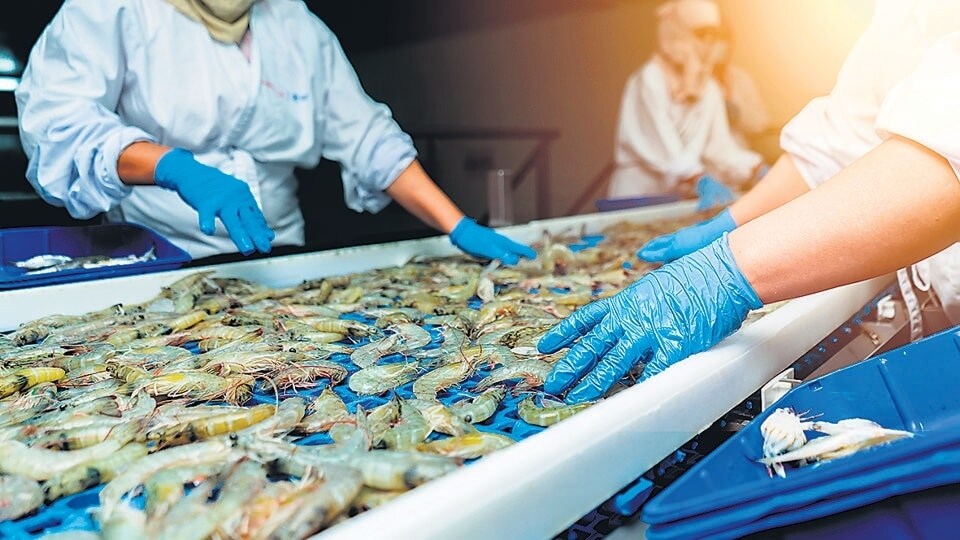
Aquaculture, also known as aquafarming, is the cultivation of aquatic organisms such as fish, crustaceans, mollusks, and aquatic plants and algae in controlled environments.
Also Read | Biodiversity solutions to battle heatwave menace
In its latest biennial report on the state of world fisheries, the Rome-based Food and Agriculture Organization (FAO) said global fisheries and aquaculture production in 2022 hit a record 223.2 million tonnes.
FAO said aquaculture production hit an unprecedented 130.9 million tonnes in 2022, of which 94.4 million tonnes were aquatic animals - 51% of the total aquatic animal production.
"These numbers demonstrate the potential for aquaculture to feed the growing world population," FAO assistant director general, Manuel Barange, told Reuters. "It's been the fastest growing food production system (in the world) for the last five decades," he added.
Also Read | Rare species of fish with 4 eyes discovered in Assam's Karimganj. Watch viral video
FAO said it is also important to develop the industry elsewhere, especially in Africa, which is currently a net importer of fish.
Critics, however say aquafarming can damage the environment and put disease and invasive species into the wild, but FAO says this can be avoided by having proper regulation and monitoring.
The global per capita annual consumption of aquatic animal foods, a key source of protein for millions around the world, totalled 20.7 kg in 2022, up from 9.1 kg in 1961, and was set to rise further in the years ahead, the report read.
The haul from captured fisheries has remained stable since the late 1980s, equalling 92.3 million tonnes in 2022.
Also Read | Fishermen go fishing, ignoring IMD warning not to venture out in North Bay of Bengal
However, latest data showed 37.7% of fish stocks in the world's marine fisheries were classified as overfished in 2021 - a continuous, increasing trend since 1974 when the figure stood at just 10%, FAO said.
“The issue of sustainability is of great concern to us,” Barange said, adding however, that many larger commercial fisheries were being well managed, including tuna stocks, now approaching 90% levels of sustainability.
"This is a remarkable improvement over the last decade," he said. Barange said that 80% of the top 10 marine species consumed by humans, were being sustainably exploited.


