
 E-Paper



India, China agree to restart direct flights as ties improve at SCO Summit
The plan to restart India-China direct flights was announced by PM Modi after he met Chinese President Xi Jinping on the sidelines of the SCO Summit in Tianjin.

 Prefer HTon Google


India and China are set to resume direct flights for the first time since the pandemic, in signs of a thaw in relation amid rising global trade uncertainties.
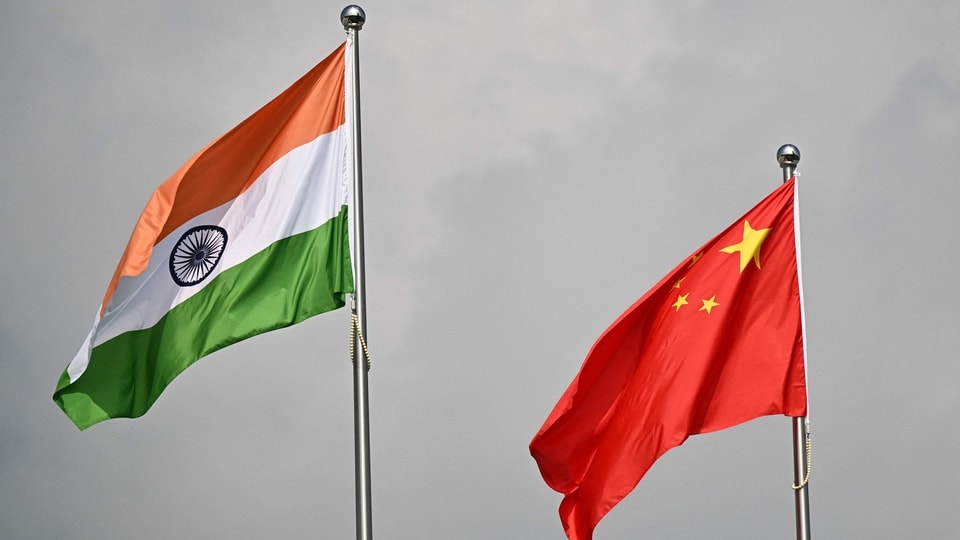
The plan was announced by Prime Minister Narendra Modi as he met Chinese President Xi Jinping on the sidelines of theShanghai Cooperation Organisation summit in Tianjin on Sunday. This is his first visit to China in seven years.
India-China ties are on an upswing at a time whenUS tariffs have added to economic uncertainties in the world’s two most populous nations. In August, India and China agreed to facilitate bilateral trade and investments. Before that in July, India allowed tourist visas for Chinese nationals after years of curbs. India and China had first agreed in January to resume direct flights and once more in June, but progress was slow.
Chinese Foreign Minister Wang Yi also recently met Modi, who hailed the steady progress in ties as one “guided by respect for each other’s interests”.
India-China ties amid US tariffs
The meetings follow US President Donald Trump’s decision to impose punitive 50% tariffs on Indian goods over its continuing purchase of Russian oil. Although, China and the US have adhered to a trade truce and Trump extended the pause on higher tariffs for Chinese goods for another 90 days.
India’s largest carrier, IndiGo (InterGlobe Aviation Ltd.), has already expressed its willingness to start flights between the two countries once services are cleared. The other large local carrier, Air India Ltd., is expected to resume flying these routes as well.
Direct passenger flights between India and China were suspended after the pandemic. The connection never resumed after diplomatic relations between the two countries hit a low point in 2020 following border clashes. Travelers from the two neighboring countries currently use hubs like Hong Kong or Singapore.
Before the suspension, Air India and IndiGo, as well as Air China, China Southern and China Eastern operated services between major cities of the two countries.
Aviation, Then & Now
India’s aviation industry has seen a sea change since the last Air China flight landed in Delhi (or Mumbai) in January 2020. Chinese carriers operated 42 direct flights every week, including Air China flying from Beijing to Mumbai four times a week and five times to Delhi.
China Southern Airlines operated twice daily service to Guangzhou from Delhi. China Eastern Airlines operated eight flights a week, including a daily Delhi-Shanghai flight. Shandong Airlines flew four times a week to Delhi from Kunming. RwandAir operated three flights a week between Mumbai and Guangzhou.
Among Indian carriers, Air India—then still government-owned—flew to Shanghai five times a week from New Delhi, while IndiGo operated daily flights between Chengdu-Delhi and Guangzhou-Kolkata, according to data shared by Cirium, an aviation analytics company.
IndiGo had announced a Mumbai-Chengdu daily flight from mid-March of 2020, but that never happened. Parent company InterGlobe Aviation Ltd. was eyeing major investments in China, including its first international call center in Guangzhou with six employees to handle customer queries in Cantonese, Mandarin and English.
Times have changed.
At the end of December 2019, IndiGo had a fleet of around 250 planes. That’s now 400. Air India is now a Tata Group company. SpiceJet, which was looking to expand rapidly, has a market share of a little over 2%.
While Air India would want a larger pound of the Chinese market now, IndiGo’s focus is on the hub-and-spoke model than what it was back in 2019. Then, there’s Akasa Air.
Tailwinds
To be sure, it’s still unclear what the thaw in India-China ties would mean for civil aviation—will it be a big-bang reinstatement or a gradual scale-up?
Globally, airline networks have changed drastically since we started flying again after the covid pandemic ebbed. Airlines have not resumed flights on routes they operated on pre-pandemic, but have returned to those destinations from different points. IndiGo, for example, resumed flights to Hong Kong but from Delhi instead of Bengaluru.
There may be a battle for the remainder of the rights on the Indian side with SpiceJet holding a few and Akasa Air, which did not exist in 2020, wanting to expand.


