
 E-Paper



The wild history of the Russian online retail giant being bombarded by Ukraine
Plans for a megamerger were blessed by Vladimir Putin, tying the company’s fortunes to those of the Russian state.


 Prefer HTon Google


Two years ago, Russian President Vladimir Putin blessed an effort to turn Wildberries, a company founded by a young mother on maternity leave, into a global online retail behemoth designed to compete with the likes of Amazon.com.
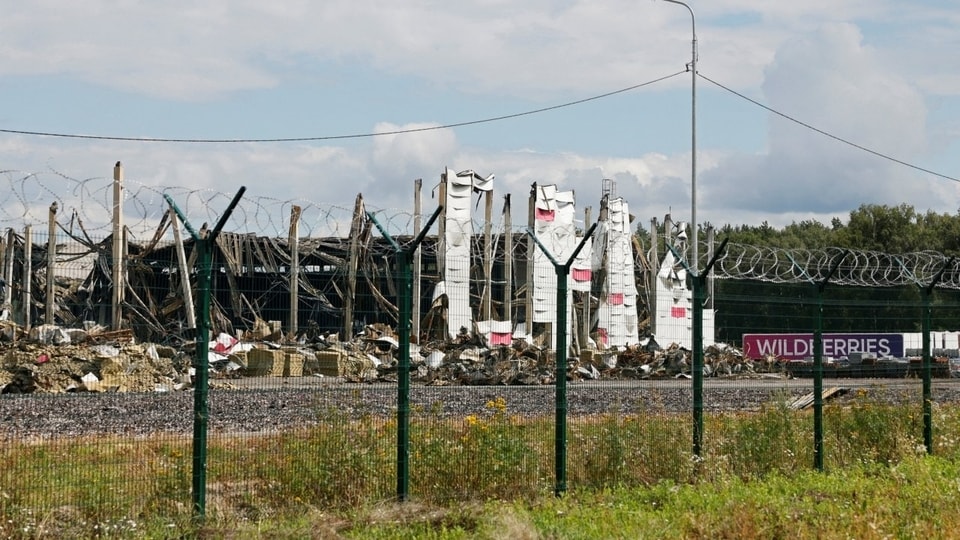
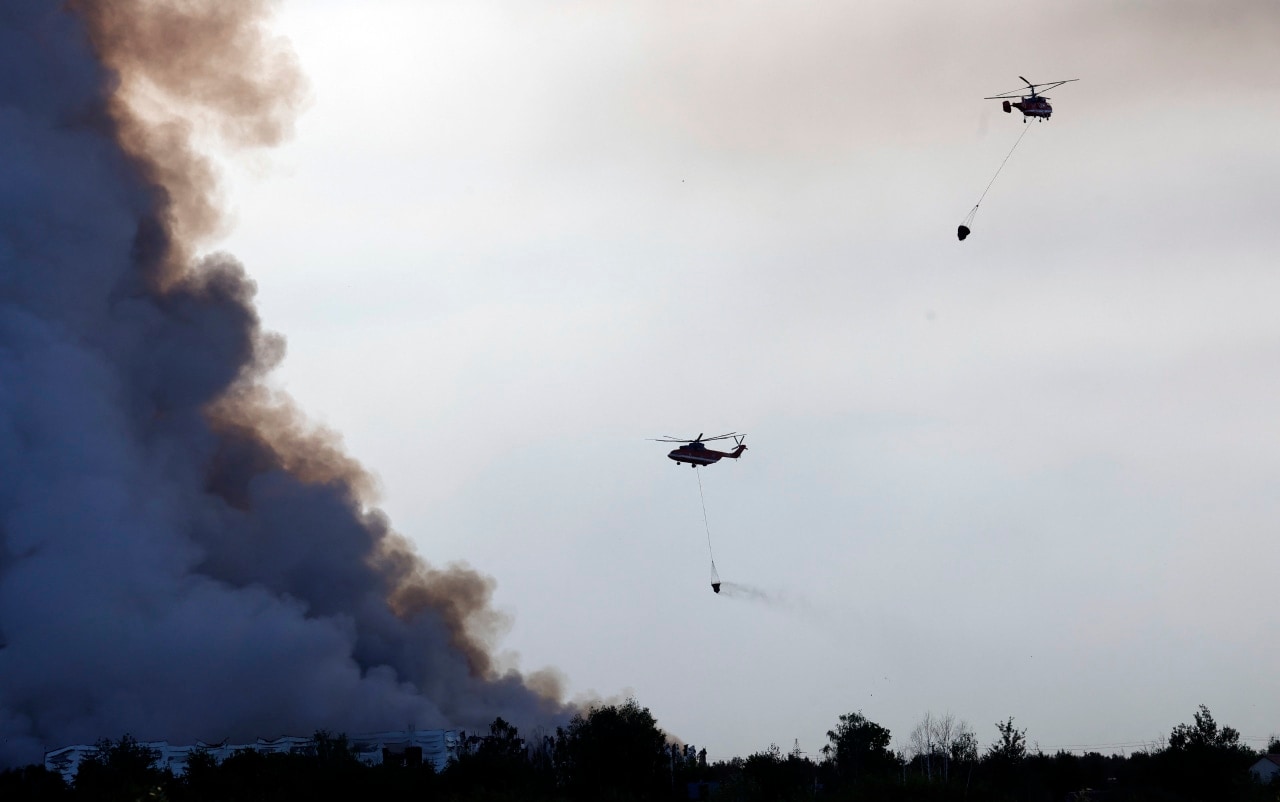
Now, the Russian company is under assault from Ukrainian drones, as Kyiv seeks to use the company’s size against it and knock another chunk out of Russia’s economy. The latest drone barrage Friday started a fire at a Wildberries warehouse in Yekaterinburg.
Based in Moscow, Wildberries sits at the intersection of business and power in Russia. Ukraine’s attacks against it are an example of how firmly the company’s fortunes have become tied to the state.
During two decades of explosive growth, Wildberries has attracted the attention of the country’s powerful business elite. The company’s colorful history includes a power struggle between a Kremlin-linked oligarch and a Chechen warlord that culminated in a deadly shootout at its Moscow offices.
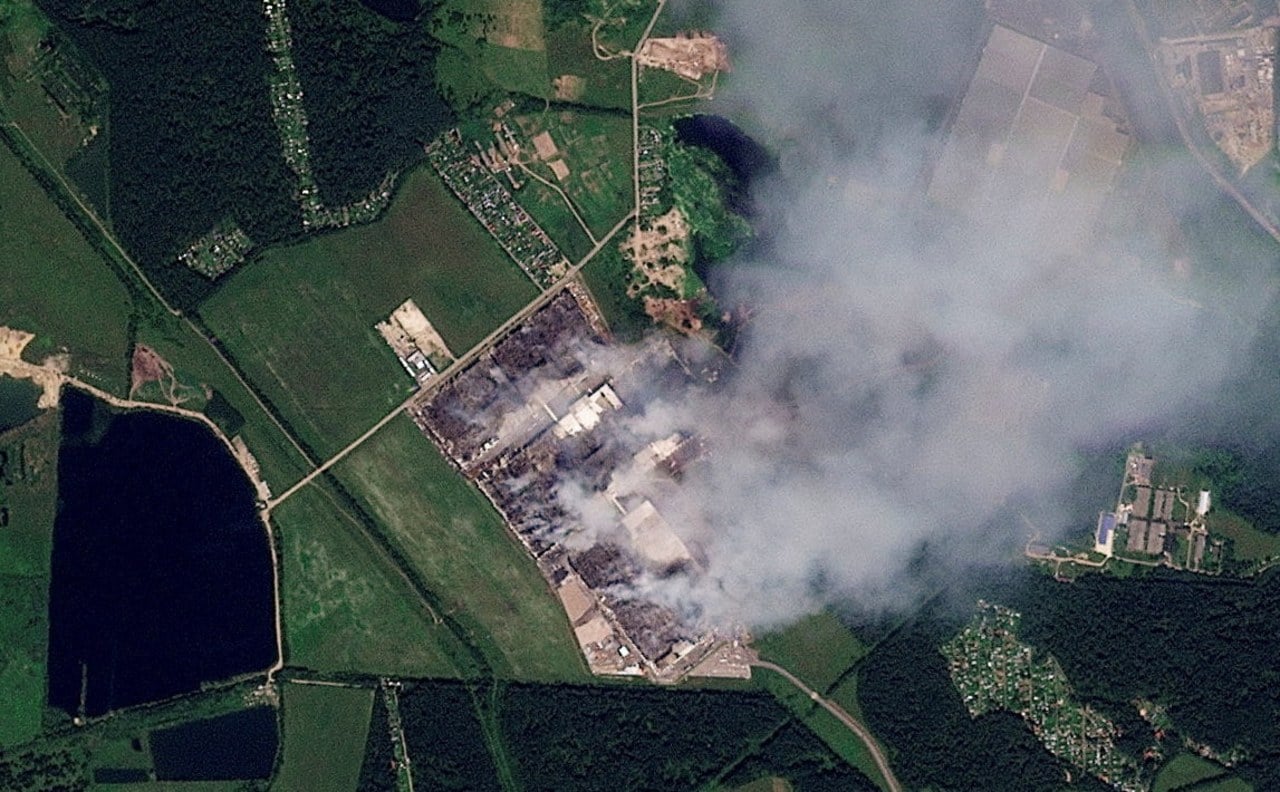
Ukraine’s campaign against Wildberries has so far struck almost two dozen of its warehouses, with near-daily attacks reaching as far as Russia’s Urals region, more than 1,000 miles from the front line of the war in Ukraine. A recent strike on one of its warehouses—among the largest such facilities in Russia—left behind a smoking husk roughly the size of New York City’s Grand Central Terminal.
Kyiv, which is also targeting oil-and-gas infrastructure deep inside Russia, has said the sale of military equipment through Wildberries makes it a legitimate target.
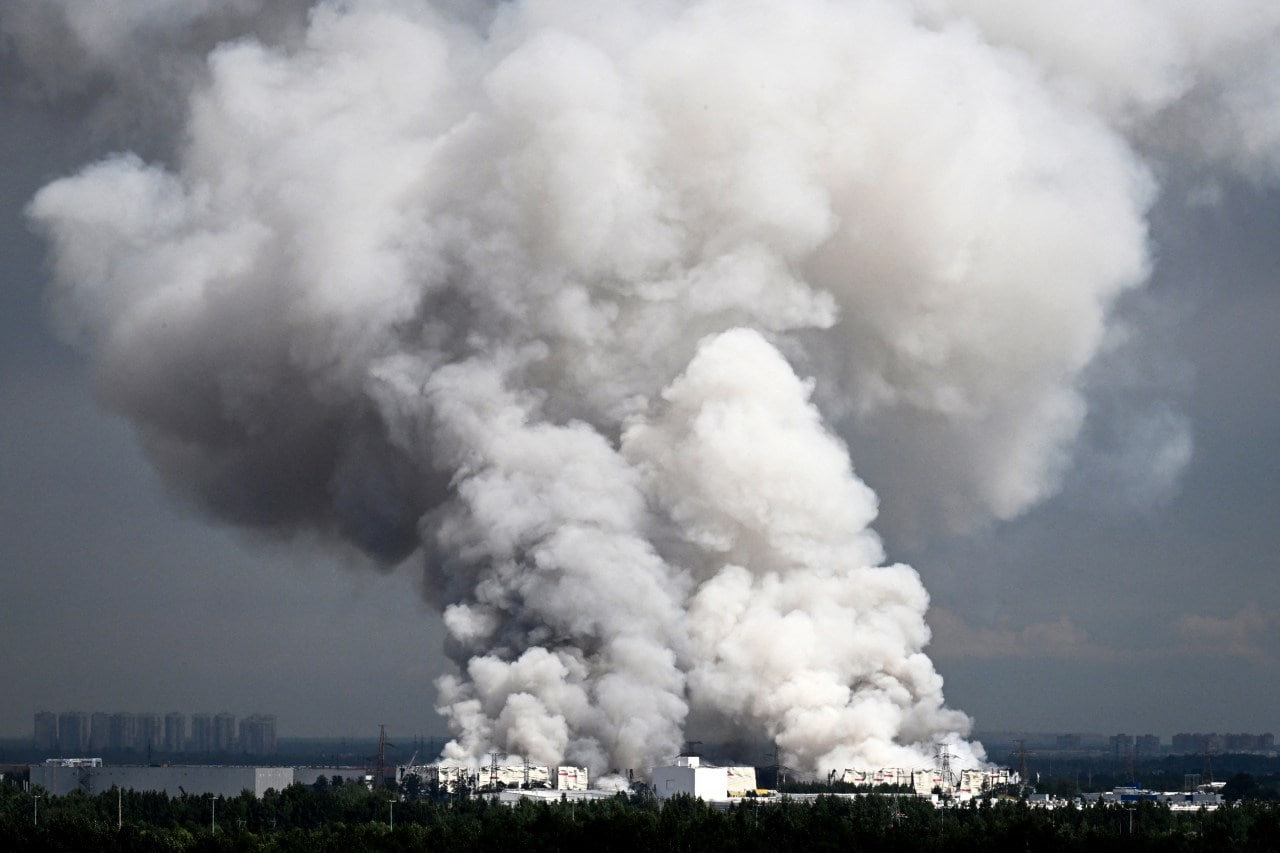

Online retailers that use the Wildberries platform to sell everything from televisions to sneakers have lost as much as $5 billion in inventory since the attacks began, the online retail research company Data Insight has estimated. The fate of Wildberries, which owes Russian banks more than $10 billion in loans, hangs in the balance. Plans are under discussion for a bailout that could ripple through the wider banking sector.
Though the Wildberries website continues uninterrupted, discussions in the Kremlin have begun on what to do should the strikes continue to pound a Wildberries-size hole in the Russian economy. Alternatives include state support for the company, which provides a virtual shop window for numerous small and midsize companies. In 2025, Wildberries said it employed nearly 15,000 people.
For the Kremlin, Wildberries was meant to be a symbol of Russian ingenuity and resilience despite Western sanctions. But the company’s history illustrates Russia’s rough-and-tumble business environment that is dominated by Putin’s determination to restrict control over the engines of the economy to a cadre of businesspeople loyal to him.
Wildberries tripled its number of employees in the past year, and at one point officials considered deploying the platform as a payment system to bypass Western restrictions on Russia’s use of the Swift messaging system connecting global financial institutions, said people with knowledge of the issue.
“Wildberries is a strategic asset as it’s a big profitable business,” said Konstantin Sonin, a professor at the University of Chicago Harris School of Public Policy. “Its growth dovetailed with plans to live in a system isolated from the West.”
The online retailer started as a family-run business in 2004, when Tatyana Kim, a former English teacher from the suburbs of Moscow, started a business reselling clothing from German mail-order catalogs while on maternity leave. Unlike its competitors at the time, the e-commerce company allowed customers to have their goods delivered to a pickup point where they could try things on for size before making the final purchase.
Kim and her husband, Vladislav Bakalchuk, ran the company for nearly two decades, turning it into the country’s biggest online retailer. In 2019, Kim became the second female billionaire in Russia’s history and was included in Forbes’s top 10 notable billionaires. The next year, during the Covid-19 pandemic, the company expanded into the European Union.
With its success came increased interest from Kremlin-linked businessmen that drove a wedge between the couple over the future direction of the company, in which Kim was the majority shareholder. The fight culminated in a shootout only steps away from the Kremlin.
At the heart of the conflict was Kim’s desire to enter a merger with one of the country’s biggest outdoor advertisers, backed by one of Russia’s most powerful oligarchs, Suleyman Kerimov, according to two people with knowledge of the deal.
The merger was eventually brought before Putin for his blessing, which he gave, the two people said. Putin appointed former Economy Minister Maxim Oreshkin to supervise the company’s evolution into a wider online-payments system.
While Kim grew closer to Kremlin-linked businessmen, her newly estranged husband, Bakalchuk, enlisted the support of Ramzan Kadyrov, a former warlord and current head of Chechnya who intervenes in business disputes in return for cash.
Kadyrov made no secret of his support for Bakalchuk and posted several videos on social media saying how Kim had been led astray and that he wanted to help the couple.
Bakalchuk’s attempt in 2024 to break into Wildberries’s downtown office with a gang of armed men, some of them Chechen, ended his chances of keeping any hold on the company. The shootout that ensued after the men tried to push past security guards killed two people, shattering glass in the building that once also housed Credit Suisse and Sotheby’s. Bakalchuk, who said he was attacked on the way to talks at Wildberries headquarters, was detained but never charged with wrongdoing. He lost his piece of the business.
Neither Kerimov nor Kadyrov responded to a request for comment.
Weeks later, Wildberries announced the merger, putting the company on course for fantastic growth as U.S. and European companies had fled Russia following its 2022 full-scale invasion of Ukraine.
In 2025, Wildberries announced it was building 2.5 million cubic meters of warehouse space, the equivalent of over 88 million cubic feet, by the end of the year, though it couldn’t be determined whether that came to pass. It also started an online department selling bulletproof vests, helmets and other pieces of military equipment called “Everything for the SVO,” an abbreviation for the Special Military Operation, a Kremlin euphemism for its war in Ukraine. The department is no longer visible on the website.
The strikes on Wildberries began last month. Since then, Ukrainian strikes have affected more than 1 million square meters of warehouse space, said Sergei Semko, an analyst at Data Insight. He added that Wildberries initially offered in some cases to compensate online retailers that use the platform, but wouldn’t allow them to take their goods back from warehouses.
“If sales collapse completely, it will certainly be bad for everyone,” he said. “The situation with warehouses collapsing one after another shows that this strategy was, overall, the wrong one.”
Kremlin spokesman Dmitry Peskov said that the government was in talks with Wildberries regarding state support in the aftermath of the strikes, but that no decision had been made.
The Russian banks that have invested the most in Wildberries—state-owned Sberbank and VTB—will likely find a way either to bail the company out or reduce its debt load, said people with knowledge of the sector. Smaller banks that support individual retailers likely won’t have the same resources available, they said.
Vladimir Zakurdaev, a 37-year-old entrepreneur from Cheboksary, Russia, said the strikes on Wildberries warehouses in Penza, Ryazan and Volgograd were devastating. About a third of his inventory was stored there and destroyed, he said.
The attacks cost him about $20,000, and Wildberries hasn’t compensated him, he said in an interview, adding that it had granted a three-month deferment on loan payments.
“I have no money for new goods,” Zakurdaev said. “Nothing to pay for new inventory, and nothing to pay taxes with.”
Write to Thomas Grove at thomas.grove@wsj.com and Georgi Kantchev at georgi.kantchev@wsj.com


