
 E-Paper



No toll plazas anymore? Here's all you need to know about GPS-based toll system
New toll collection rules incorporate GNSS technology for satellite-based systems alongside existing FASTag and ANPR methods.

 Prefer HTon Google


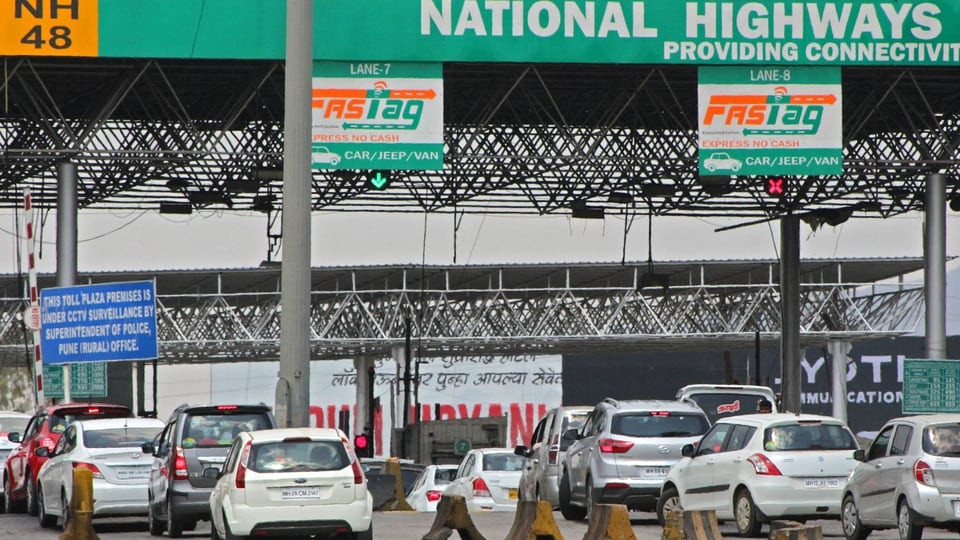
The ministry of road, transport and highways revised National Highways Fee (Determination of Rates and Collection) Rules, 2008, incorporating electronic toll collection through satellite-based systems. Following this, Global Navigation Satellite System (GNSS) will be incorporated as a method for toll collection in addition to existing systems like FASTag and Automatic Number Plate Recognition (ANPR) technology.
Read more: Mahindra's clarification on Congress' charges of Sebi chief earning through them: ‘False and misleading’
What is GPS-based toll collection?
At present, tolls are paid manually at toll booths which can lead to traffic congestion, even is FASTag is being used. The GPS-based toll system leverages satellites and in-car tracking systems to calculate tolls which will be based on the distance travelled. The system utilises satellite-based tracking and GPS technology to charge tolls as per the distance a vehicle covers. Vehicles equipped with On-Board Units (OBUs) or tracking devices will be charged based on the distance covered on highways.
Read more: India will soon be in a position to export Lithium-ion batteries: Nitin Gadkari
How does it differ from FASTag?
The satellite-based toll system relies on GNSS technology providing precise location tracking.
How will the satellite-based toll collection work?
Vehicles will be fitted with OBUs which will act as tracking devices for toll collection- tracking a vehicle’s coordinates on highways which are shared with satellites to calculate the distance travelled.
Read more: GST council meeting: What has become cheaper for you now
The system will initially be rolled out on key highways and expressway and will be available through government portals, similar to FASTags.


