The Department of Telecom's new “SIM binding” rules are set to come into effect from January 1, 2027 onwards. Under this, messaging platforms such as WhatsApp and Telegram may face access restrictions.
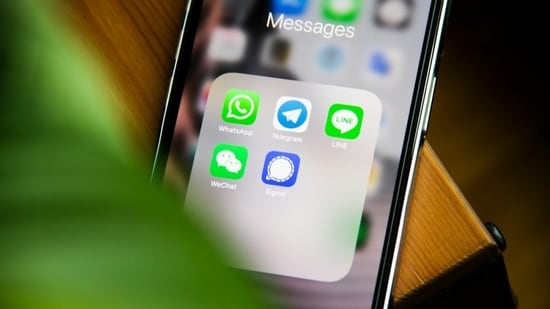
Ahead of the implementation, DoT issued a series of guidelines for messaging platforms to ensure that accounts with a registered SIM card will be allowed to use the services. The deadline for this is December 31, 2026.
What do the new rules state?
Under the new framework, messaging apps that use Indian mobile numbers for registration will have to verify that the registered number is tied to an active SIM card or eSIM present on the device.
These new rules come as a wider effort to combat cybercrime, phishing operations and digital arrest scams.
“DoT’s SIM‑binding directions are essential to plug a concrete security gap that cybercriminals are exploiting to run large‑scale, often cross‑border, digital frauds. Accounts on instant messaging and calling apps continue to work even after the associated SIM is removed, deactivated or moved abroad, enabling anonymous scams, remote “digital arrest” frauds and government‑impersonation calls using Indian numbers,” said a December 2025 release by the telecommunications department
Also Read | Most businesses worry about SIM fraud, don’t think SIM binding will stop it: Survey
Which apps are affected?
- Telegram
- Singal
- ShareChat
- JioChat
- Josh
- Arattai
Also Read | Most businesses worry about SIM fraud, don’t think SIM binding will stop it: Survey
Which apps are affected?
- Telegram
- Singal
- ShareChat
- JioChat
- Josh
- Arattai
Another app on the list is Snapchat, but it remains unclear if the binding will impact it.
How will users be impacted?
Users may lose access to their accounts if they are not linked with the SIM or if the SIM card is deactivated or replaced, according to ….
Furthermore, the 2025 directive issued by the DoT will also impact web logins and sessions, such as WhatsApp Web.
The initial mandate stated that web sessions will be logged out periodically after six hours, and allow the user to re-link the device using a QR code. However, this was later withdrawn, and the six-hour rule was replaced with risk-based logouts, which include immediate termination of services in suspected fraud cases, according to LiveMint.
Furthermore, removing a registered SIM, disabling a number or sending messages from a device without a SIM may also disrupt users. Additionally, people who travel overseas or change their phones frequently or use only Wi-Fi on their tablets will also be impacted.