The Renault Duster is officially back in India in its third and latest generation as part of the carmaker’s strategy to regain ground in the mid-size SUV segment. Among its core traits, the first-gen Duster was always known for its ruggedness and light off-road capabilities, and the latest iteration of the SUV builds upon these fundamentals with enhancements to the platform and geometry. While it is not a proper off-roader, the new Duster is designed to keep up with real-world challenges from rough, uneven terrain and the shoddy state of Indian roads.
Tall ride height
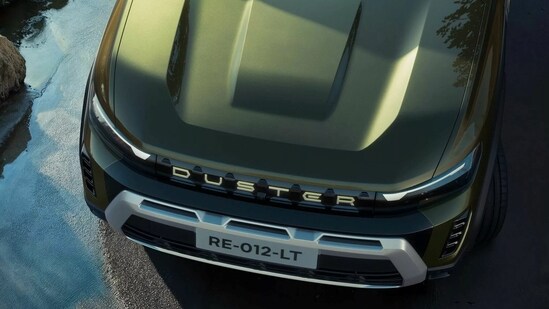
The new Renault Duster stands tall with a ground clearance of 212 mm, among the highest in its segment. This enables the SUV to clear undulating terrain and deep potholes without scraping its underbelly too much, and it instils more confidence when tackling speed bumps and waterlogged roads.
Rugged proportions
The Duster boasts an approach angle of 26.9 degrees and a departure angle of 34.7 degrees. What this essentially means is that the SUV is capable of climbing surfaces with sharp inclines and descending slopes that aggressively drop off without risking bumper contact. It further features compact rear overhangs that are less likely to scrape when exiting rough patches. Even if it does, the Duster brings a beefy rear bumper and thick body cladding that should absorb any impact.
India-ready platform
{{/usCountry}}The Duster boasts an approach angle of 26.9 degrees and a departure angle of 34.7 degrees. What this essentially means is that the SUV is capable of climbing surfaces with sharp inclines and descending slopes that aggressively drop off without risking bumper contact. It further features compact rear overhangs that are less likely to scrape when exiting rough patches. Even if it does, the Duster brings a beefy rear bumper and thick body cladding that should absorb any impact.
India-ready platform
{{/usCountry}}The Duster is built on the new Renault Group Modular Platform (RGMP) platform with 90 per cent of parts unique to India. It is engineered for the diverse conditions that our roads offer and is built to handle extreme weather and degradation.
Electronic aids
Although the Duster is not equipped with off-road-focused hardware, it brings a comprehensive suite of electronic assists and features that can help in clearing tricky terrain. The SUV features multiple drive modes to manage power delivery and traction, as well as electronic stability control and hill descent control for added support.
These are essential to retain off-road credentials as Renault has yet to confirm whether the India-spec Duster offers an all-wheel drive option. Globally, the Dacia Duster offers AWD with the TCe 130 engine, a 1.2-litre three-cylinder mild-hybrid power unit. Additionally, the carmaker has not specified any underbody protection or whether the SUV will come with off-road-focused driving modes and additional equipment. More details on these factors are expected to emerge closer to the actual date of launch.