The district has reported 15 confirmed dengue and 44 malaria cases so far this season, with the number of infections rising as the monsoon progresses despite intensified anti-larval drives, fogging and surveillance by the health department.
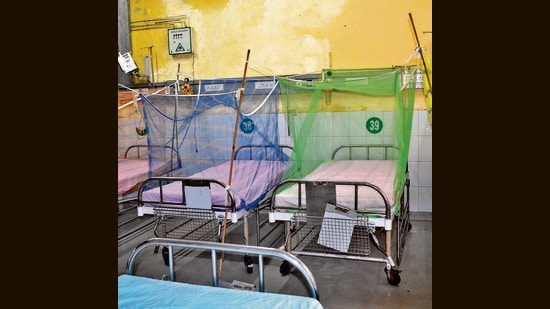
The district had reported only three confirmed dengue and 21 malaria cases in June, indicating a sharp rise in mosquito-borne infections over the past few weeks. More than 2,200 suspected dengue cases had been tested by June, although only three had tested positive at the time.
Health officials said the increase was expected as monsoon conditions create more favourable breeding grounds for mosquitoes. Rainfall followed by high humidity, waterlogging and poor drainage can leave stagnant water in residential areas and other locations, allowing mosquito larvae to breed.
The health department has stepped up preventive measures across the district, including anti-larval activity, source reduction, fogging in affected areas and surveillance of suspected cases.
Field teams are also inspecting potential breeding sites and sensitising residents about the need to prevent water accumulation.
District epidemiologist Dr Supreet Kaur said residents should ensure that water does not stagnate in and around their homes and regularly check coolers, containers, rooftop spaces, discarded tyres and other places where water can collect.
{{/usCountry}}District epidemiologist Dr Supreet Kaur said residents should ensure that water does not stagnate in and around their homes and regularly check coolers, containers, rooftop spaces, discarded tyres and other places where water can collect.
{{/usCountry}}The department is also focusing on residential areas, institutions and other sites where rainwater can remain undisturbed. Officials have urged residents to remove stagnant water regularly and cooperate with field teams during inspections and anti-larval drives.
The continued detection of fresh cases has, however, highlighted the challenge of containing mosquito-borne diseases during the rainy season. Even small quantities of stagnant water can become breeding sites, making household-level prevention an important component of the district’s control measures.
With several weeks of the monsoon still remaining, health officials are maintaining surveillance and testing suspected cases and keeping a close watch on areas reporting mosquito breeding or fresh infections.
Officials have also advised residents not to ignore persistent fever or other symptoms that could indicate dengue or malaria and to seek medical attention promptly.
The health department said sustained preventive measures, coupled with community participation in eliminating mosquito-breeding sites, would be crucial in preventing further rise in cases.