
 E-Paper



350 PAU students to sensitise farmers against stubble burning
The programme aimed to equip volunteers with practical knowledge of stubble management so they could communicate these methods to farmers during their outreach activities in villages

 Prefer HTon Google


Punjab Agricultural University (PAU) is preparing 350 National Service Scheme (NSS) volunteers to take the anti-stubble-burning campaign to villages and sensitise farmers about scientific ways of managing paddy residue. The students have been trained in techniques such as incorporating crop residue into the soil, using specialised farm machinery and adopting sustainable farming practices as alternatives to burning.
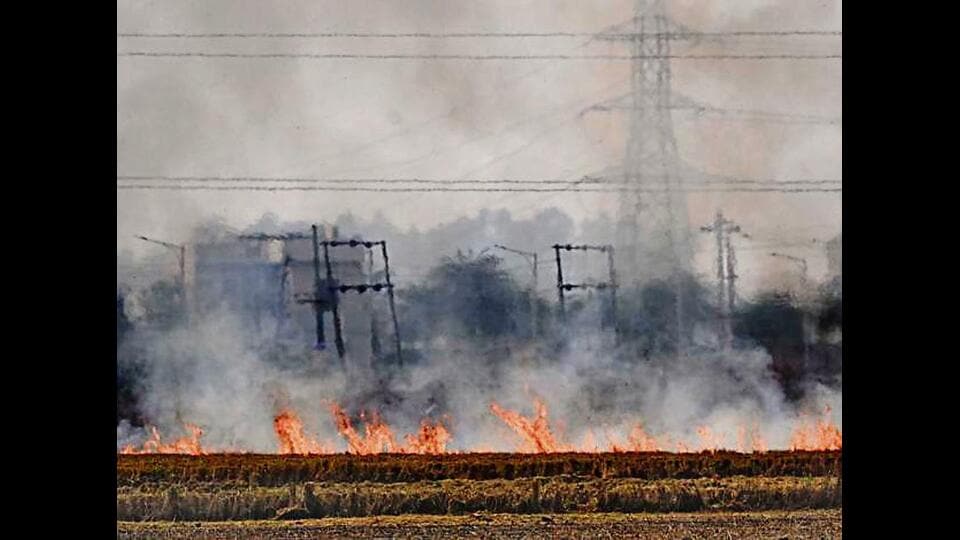
A training-cum-awareness camp was organised by the university’s Skill Development Centre in collaboration with the Directorate of Student Welfare on Wednesday. The programme aimed to equip volunteers with practical knowledge of stubble management so they could communicate these methods to farmers during their outreach activities in villages.
Addressing the participants, PS Sandhu, additional director of extension education, said the initiative was intended to familiarise students with practical residue-management techniques and enable them to spread awareness among farming communities. He also highlighted sustainable agricultural practices that could reduce dependence on chemical fertilisers.
Rupinder Kaur, associate director (skill development), emphasised that paddy residue should be managed in the fields rather than set on fire.
Lovely S Garg explained the stubble-management methods being adopted in Punjab, while Harmeet Sarlach administered an oath to the volunteers, urging them to work towards preventing crop residue burning and protecting the environment.
Jasvir Singh Gill from the department of crop science advised farmers to sow PAU-recommended wheat varieties using a super seeder, which helps manage paddy residue while preparing fields for the next crop. He also recommended treating seeds with organic fertilisers before sowing. Highlighting the need to conserve groundwater, he advocated direct-seeded rice cultivation as an alternative to conventional transplantation.
Manpreet Singh Bham from the department of farm machinery and power engineering briefed the volunteers on machinery used for stubble management, including its operation and maintenance.
The camp was held under the guidance of Makhan Singh Bhullar, director of extension education.


