
 E-Paper



City receives fresh showers, intense rain expected in July-end
The city received fresh showers on Thursday bringing a sigh of relief to the residents from above normal temperatures.

 Prefer HTon Google


The city received fresh showers on Thursday bringing a sigh of relief to the residents from above normal temperatures.
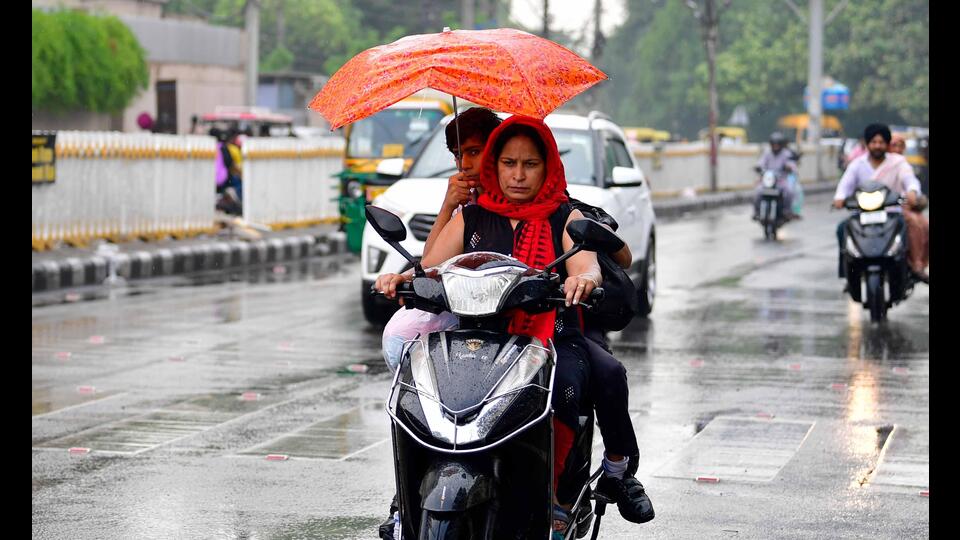
The city recorded 33 mm rain on the intervening night of Wednesday and Thursday. So far this month, Ludhiana has observed 117.6 mm rain against the normal 220.4 mm rain for the month.
In July 2023, the city received 212.4 mm rain and in July 2022 it received 323 mm rain.
Dr Sompal Singh, department of agricultural meteorology, Punjab Agricultural University (PAU), said, “We expect rain for the remaining month with it being intense on July 28 and 29.”
“There was a high air pressure from last few days due to which it couldn’t rain. However, last night we observed a fall in air pressure which resulted in the rain,” he said.
He also noted that the maximum and minimum temperatures were above normal for the last few days, which he hoped would fall below normal again after the rain.
Ahead of monsoon this year, India metrological department (IMD) had predicted an above normal monsoon. However, so far it has stayed way below normal.
“The upcoming monsoons are expected to be stronger compared to the normal amount of rainfall the state receives during the monsoon season from July to September,” director of IMD’s Chandigarh centre Ajay Kumar Singh had claimed earlier this month.
Singh said the monsoon was still in its initial phases and expressed hope that in the coming weeks there would be enough rain to make up for the deficit.
Explaining the difference between this year and last, he said that in the second week of July last year, there was a strong western disturbance active along with the monsoon, leading to heavy downpours.


