
 E-Paper



CLTA’s 3-decade run comes to end as sports dept takes over Sector 10 tennis complex
The takeover, carried out early morning in the presence of central sub-divisional magistrate Naveen and a heavy police presence, came a day after the expiry of the seven-day notice period issued to CLTA following the termination of its lease. Security staff from the sports department have now been deployed at the complex to ensure its smooth transition.

 Prefer HTon Google


Bringing an end to a nearly three-decade run of the Chandigarh Lawn Tennis Association (CLTA), the UT sports department officially took possession of the Sector 10 sports complex on Thursday, citing lease violations.
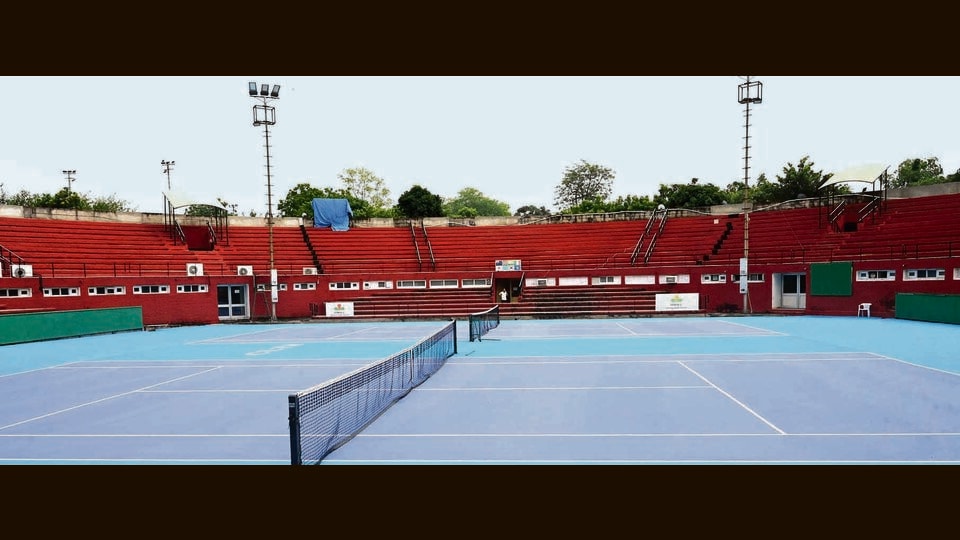
The takeover, carried out early morning in the presence of central sub-divisional magistrate Naveen and a heavy police presence, came a day after the expiry of the seven-day notice period issued to CLTA following the termination of its lease. Security staff from the sports department have now been deployed at the complex to ensure its smooth transition.
The Punjab and Haryana high court will take up a public interest litigation (PIL) regarding the takeover on Friday. The plea raises concerns regarding the facilities for players training at the facility. The PIL was listed for hearing on Thursday, however, it had to be adjourned due to a lawyers’ strike.
Allegations of payment defaults, subletting premises
While CLTA’s contribution to tennis in the city is undeniable, UT officials said that serious lease violations had come to the fore, which left them with little choice but to terminate the agreement.
A senior sports department official, speaking on the condition of anonymity, said the association was found guilty of subletting parts of the premises, running a cafe without approval, defaulting on lease payments amounting to ₹15 lakh, and constructing a hostel inside the complex without clearance.
“CLTA charged hefty coaching fees while claiming charitable exemptions under 12AA of the Income Tax Act. At the same time, they operated without a GST number, which amounts to tax evasion. The violations were too significant to be ignored,” the officials said.
Repeated attempts to contact CLTA president and former IAS officer Viswajeet Khanna for comments did not elicit any response.
Lease history and CLTA’s legacy
CLTA began operating at the government-owned facility on January 16, 1997, under a 20-year lease that charged a token rent of just ₹100 annually. Over the years, the lease terms were revised— ₹1.22 lakh annually from 2017 to 2022, and nearly ₹1.56 lakh per year under a three-year agreement signed in 2022. During its tenure, CLTA emerged as a central hub for tennis training in the region, coaching nearly 300 budding players at the facility. The association also brought national and international attention to Chandigarh, hosting prestigious Davis Cup ties, including Leander Paes’s debut in 1990 against Japan and the 1993 World Group semi-final between India and Australia. The stadium itself carries architectural significance. Designed by Chandigarh’s first chief architect, MN Sharma, and chief engineer Kulbir Singh on the lines of Rome’s Colosseum, it was completed in 1979 and has since stood as a landmark sports arena in the city.
Players to continue training
For now, the sports department has assured continuity for players. Around 100 players trained at the complex on Thursday evening, even after the formal takeover earlier in the day. Officials said a revised fee structure—aligned with charges at other city sports complexes—will be issued soon, along with new training schedules. The CLTA charges anywhere between ₹810 to ₹5,400 a month for group training, as per the fee structure displayed on its website. For personalised training, charges go up to ₹20,000 for CLTA trainees (24 days) and ₹54,000 for non-CLTA trainees (24 days). A player’s parent, on the condition of anonymity, said players will be able to train at much lower rates now that the UT has taken over.
Allaying all fears of players and trainers, the sports department also said it plans to retain the existing staff of 43, including 14 coaches, while adding two more members, taking the total to 45. “Our aim is to ensure that training continues without disruption and that players receive even better facilities going forward,” said an official.


