E-Paper



Latest spell of snowfall, rain draw winged guests to Kashmir valley’s wetlands
Wildlife officials say light snowfall and rain in recent days have prompted a slow but continuous arrival of migratory birds

 Prefer HTon Google


With changing seasons, the water bodies in Kashmir have begun to draw migratory birds — albeit some in fewer-than-expected numbers owing to parched conditions due to dry weather.
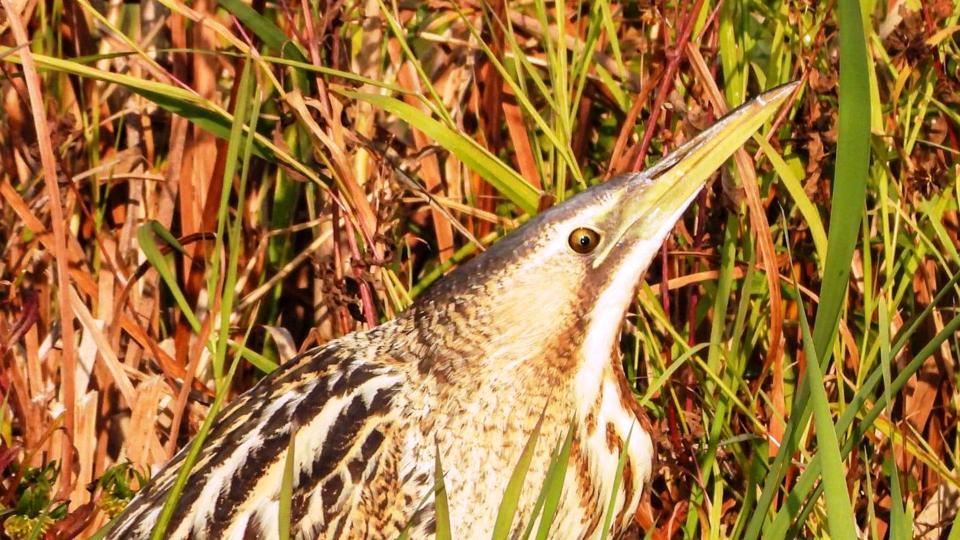
Wildlife officials said things have changed for good in the past 10 days after light snowfall and rain prompted a slow but continuous arrival of birds from much colder regions of the globe.
“Birds have already arrived in Kashmir water bodies and the numbers would be in lakhs. In the next 10-20 days things will be much better,” Kashmir regional wildlife warden Tawheed Ahmad Deva said.
“In some water bodies like Hokersar and Chatlam, the birds are more while some wetlands like Shalbough and Haigam have fewer winged guests. The arrivals will continue,” he added.
The migratory birds visiting Kashmir travel from the colder areas of the world flying over continents in flocks from Europe, Japan, China and Central Asia. The birds that arrive here every year are mallards, greylag geese, pochards, common tails, shovelers, pintails and gharwals, which visit the region between October and April.
Hokersar on the city’s outskirts is the biggest wetland in Srinagar and attracts the maximum number of birds.
Reyan Sofi, an avid bird watcher living near Hokersar, said the water level has started increasing in the wetland, hence the numbers of birds stopping by has gone up. “Thousands of birds have arrived in Hokersar as the water level has increased after the outlet of the water body was plugged. I mostly witnessed common coots,” he added.
Every year, the birds arrive in eight protected wetlands managed by the wildlife department like Hokersar in Srinagar (13.5 sq km), Shalbough in Ganderbal (16 sq km), Haigam in Sopore, Baramulla (9 sq km), Mirgund in Budgam, Chatlam in Pampore, Kranchoo, Manibugh, Freshkhoori and also in other 25 water bodies of the valley which harbor sizeable number of migratory birds during winter migration.
Wular Lake, Asia’s second largest freshwater lake spread over two districts also hosts a number of water bird species. Kashmir has around 400 water bodies including Dal Lake and Nigeen Lake in Srinagar.
However, some water bodies like Shalbugh and Haigam have witnessed parched conditions this year. Early this month, a civil society initiative under the banner of Environmental Policy Group (EPG) visited Haigam in north Kashmir Sopore revealing that the wetland as a “barren and parched landscape with no visible birdlife, water or vegetation”.
The regional wildlife warden Deva acknowledged that the water levels were low in Shalbugh and Haigam, adding, “There are attempts at some artificial measures. As the water level increases, more birds will come. In Haigam we have an artificial inlet and when the feeding channel dries up, the wetland becomes dry. The situation currently is much better than 10 days ago and it will improve further in the next 10 days. And if it rains then the situation will be much better.”
However, in south Kashmir’s Chatlam in Pampore, there are natural conditions for water and Deva said the arrival of thousands of migratory birds is a testament to the ecological richness of the region.
“We aim to develop Chatlam as an eco-tourism destination and promote conservation while providing visitors with an opportunity to witness this natural spectacle firsthand,” he said.
The number of arrival of birds every year depends upon the weather conditions and water level in wetlands. Last year, overall 12-13 lakh birds had arrived in Kashmir, a figure higher than 11 lakhs in 2021-22. Before that the numbers had ranged around 8 to 10 lakhs.
“The numbers keep on varying. While there is no perfect means to count the birds, what we do is a rough estimate at the end of the season. Sometimes they come in less numbers and sometimes more. But at-least 4-5 lakhs do come,” Deva added.