
 E-Paper



Ludhiana: Amid surge in dog bite cases, no rabies vaccination plan in place
Data from the Anti-Rabies Clinic at the Ludhiana civil hospital reveals that 7,067 dog bite cases were recorded till June this year; currently, stray dogs are vaccinated against rabies only once—during sterilisation drives

 Prefer HTon Google


Even as dog bite cases continue to surge in the city, the Municipal Corporation Ludhiana (MC) lacks a dedicated rabies vaccination programme, leaving both humans and canines vulnerable to the infection has a 100% fatality rate.
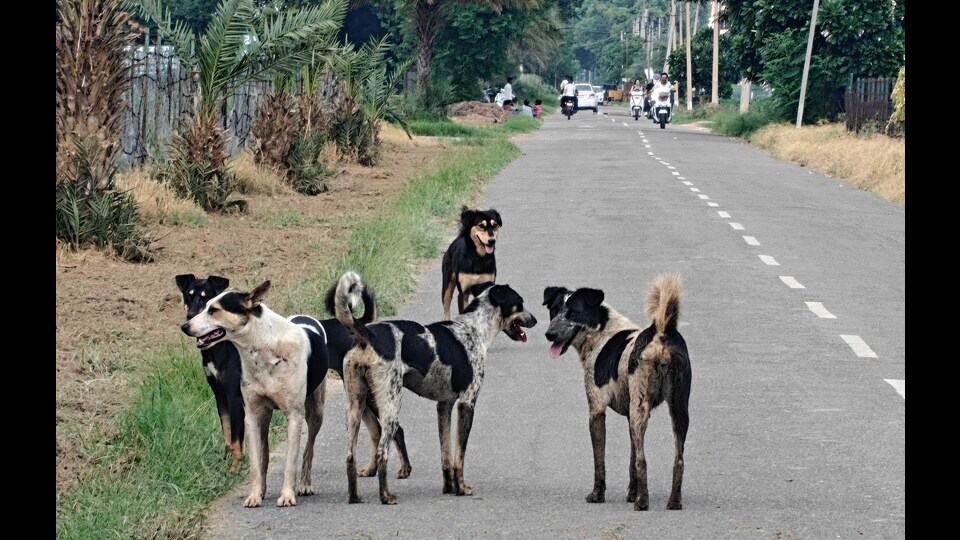
Data from the Anti-Rabies Clinic at the Ludhiana civil hospital reveals that 7,067 dog bite cases were recorded till June this year. Monthly figures stood at 1,281 in January, 1,176 in February, 1,306 in March, 1,117 in April, 1,081 in May, and 1,110 in June.
The city has witnessed a steady rise in cases over the past few years—6,115 in 2021, 8,601 in 2022, 9,461 in 2023, and 13,488 in 2024. If the current trend continues, this year’s tally may surpass last year’s figure.
Currently, stray dogs are vaccinated against rabies only once—during sterilisation drives. So far, around 1.3 lakh dogs have been sterilised under MC’s campaign. However, there is no provision for follow-up vaccinations.
Veterinarians say that the effectiveness of the vaccination doesn’t last more than two years and it is advisable that dogs and pets are given annual booster shots to keep them immune to rabies infection.
“The immunity provided by the vaccination starts wearing out after one year. In order to keep the animal protected from the infection, they must be administered a dose every year so that their immune system doesn’t run out of the antibodies required to fight the virus if they ever are exposed to it,” said Dr Gurpreet Singh from the veterinary hospital at Guru Angad Dev Veterinary and Animal Sciences University.
Rabies is a zoonotic disease and can be transmitted to humans through the saliva of an infected animal in case of a bite. According to the World Health Organization (WHO), “Once the virus infects the central nervous system and clinical symptoms appear, rabies is fatal in 100% of cases.”
Acknowledging the gap, MC health officer Dr Vipan Malhotra admitted, “We have the vaccination only during sterilisation and there is no programme for regular vaccination.”
Animal welfare groups have demanded immediate action. “A dedicated rabies vaccination programme for strays is essential to protect both animals and humans,” said Pooja Jain, member of the Society for Protection of Animals against Cruelty (SPAC).
Echoing similar concerns, Manni Singh, president of Help for Animals NGO, said, “Rabies is the real enemy, not dogs. The fear people have of strays largely stems from the dreaded rabies infection.”


