
 E-Paper



Ludhiana: Power supply disrupted amid dip in temperature
A sudden dip in temperature led to tripping of electricity feeders, plunging 20% of the city into blackout on Monday. PSPCL’s central zone recorded 22,904 complaints, a staggering 85% increase from the 3,500 complaints filed just a day earlier.


Despite reduction in power demand amid winter, Punjab State Power Corporation Limited (PSPCL) is facing significant challenges in maintaining a steady power supply to both domestic and industrial consumers across Ludhiana. A sudden dip in temperature has led to tripping of electricity feeders, plunging 20% of the city into blackout on Monday. Notably, on the same day, PSPCL’s central zone recorded 22,904 complaints, a staggering 85% increase from the 3,500 complaints filed just a day earlier.
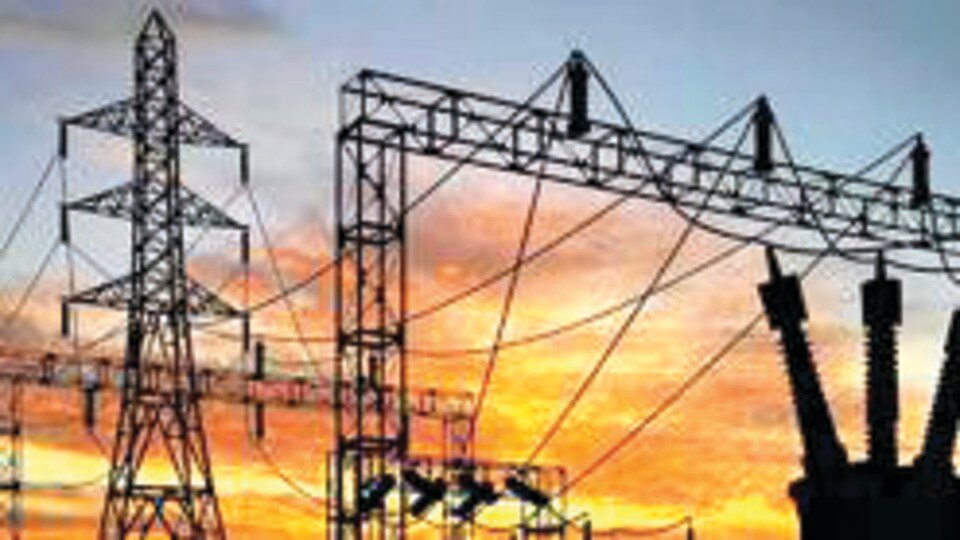
A senior PSPCL official confirmed that while all grievances were resolved by Tuesday, power disruptions are likely to persist as temperatures drop further. He highlighted that smog which is a common winter phenomenon where air becomes saturated with moisture, leads to condensation on insulators that support power lines. Unlike rain, which has minimal impact, smog can cause leakage of electricity to the earth, creating continuous paths at each insulator that disrupt power supply in the nearby areas.
“The tripping issues are further aggravated by the accumulation of dust and carbon particles on the insulating discs of high-voltage transmission lines, which short-circuit when exposed to smog,” explained a power engineer.
Chief engineer Jagdev Singh Hans said, “ The power corporation operates over 1,000 feeders in the city, which also serve neighboring areas. During winter, tripping escalates disruptions for extended hours but we are working round the clock to address this. Also the linemen, stationed at substations, work tirelessly to repair the damage, but this often interferes with other routine tasks, especially as the staff is already stretched thin.”
He added that the corporation also suffers revenue losses due to power supply interruptions where the situation is particularly challenging at night when low visibility makes repairs risky.
As an industrial city, Ludhiana faces additional issues due to chemicals released from dying furnaces and electroplating industries, which further damage feeder conductors, compounding the problem.
Regarding preventative measures, Hans explained, “The issue arises due to natural causes. Typically, rain helps cleanse our insulating discs, but this year’s reduced rainfall and prevailing smog have contributed to the tripping.”
He further emphasised, “We have repeatedly requested the Punjab State Transmission Corporation Limited (PSTCL) to replace conventional insulating discs with modern polymer discs to address these ongoing issues.”


